What to Do at the End of Month One (Budget Review)
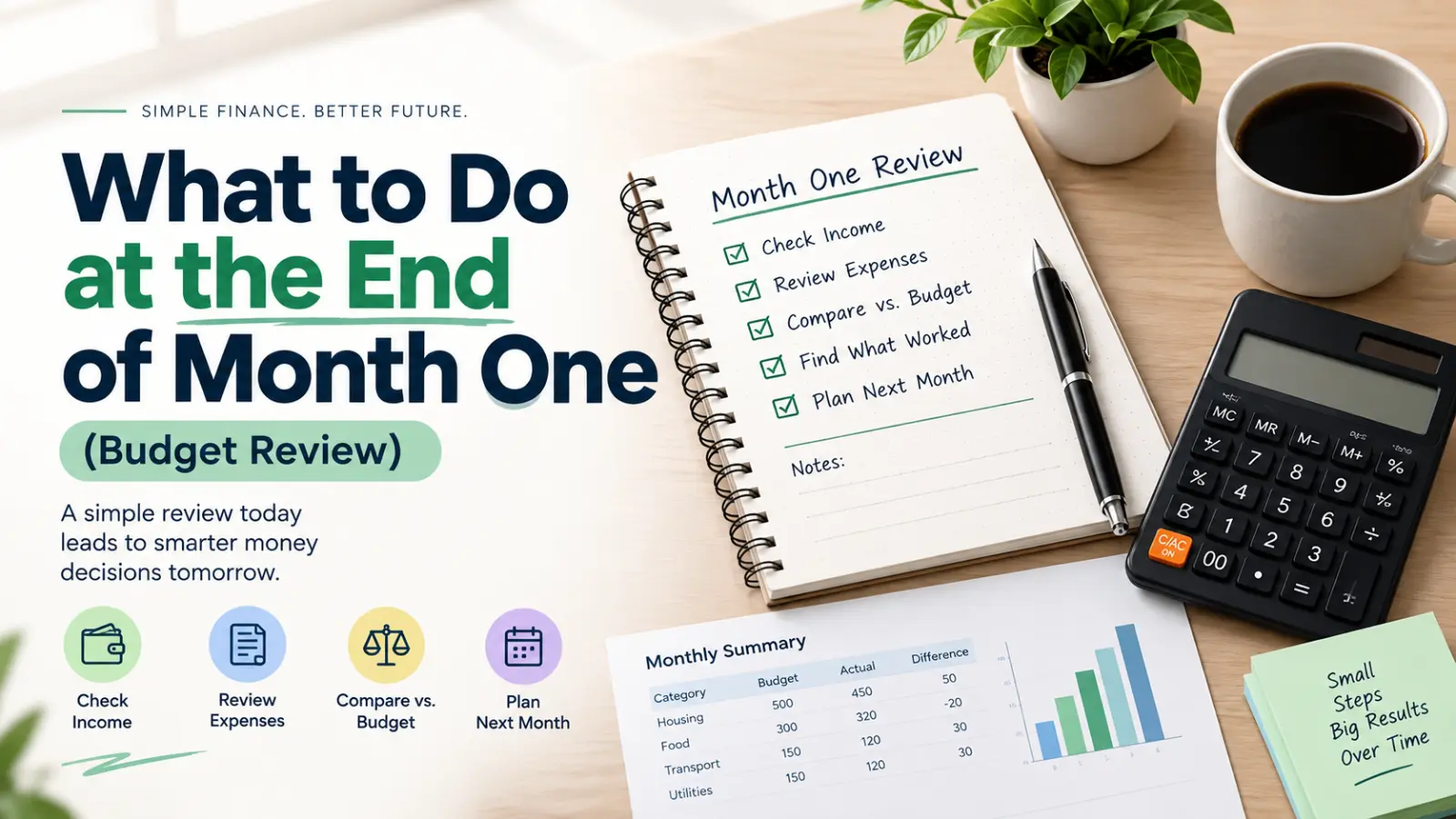
Your first month’s numbers were probably off. Here is the five-step review checklist and how to tell a bad number from a bad habit.

Your first month’s numbers were probably off. Here is the five-step review checklist and how to tell a bad number from a bad habit.
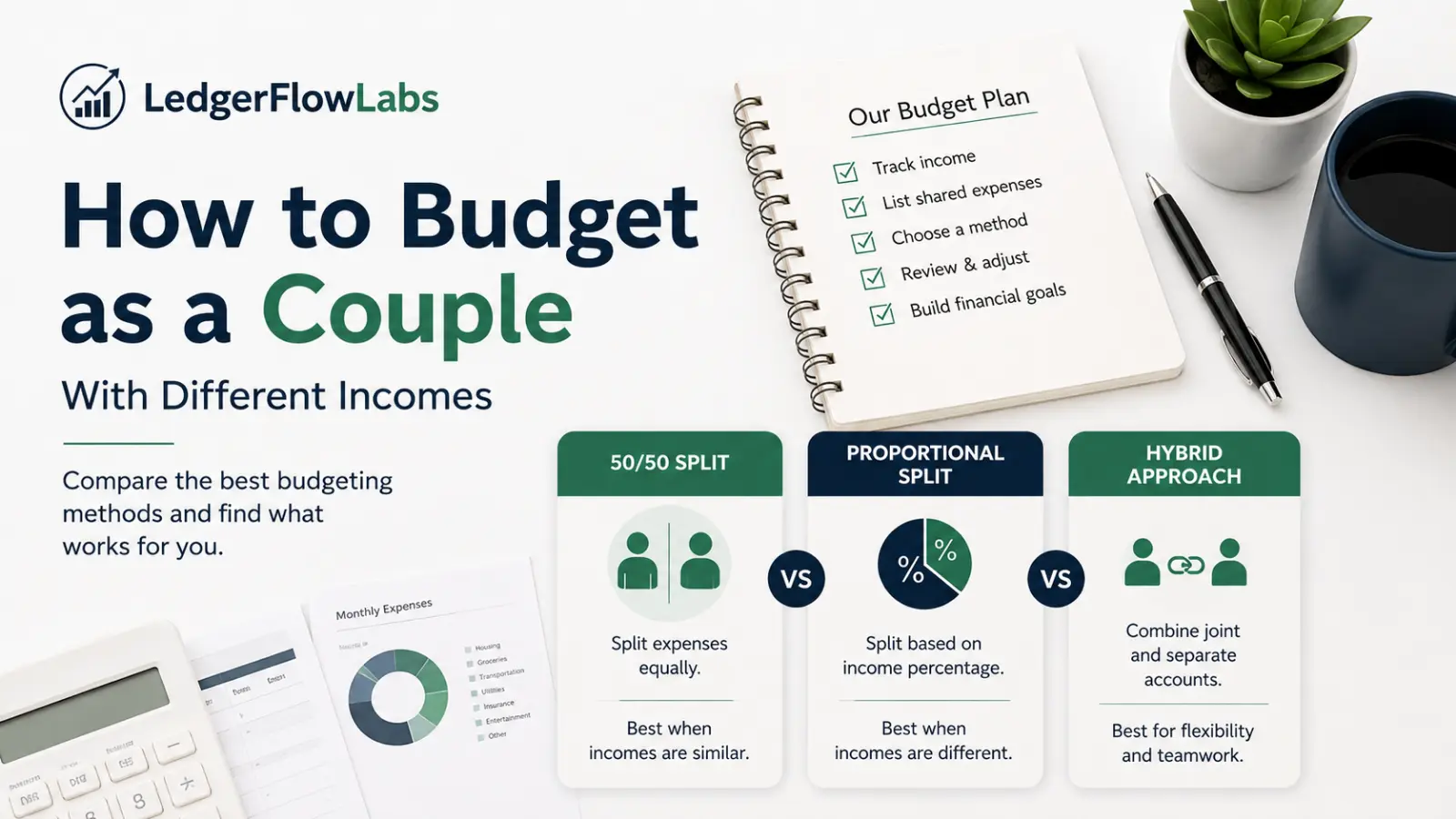
Splitting 50/50, by income, or through a joint account all work differently. See a worked example and why the needs-vs-wants talk matters more.
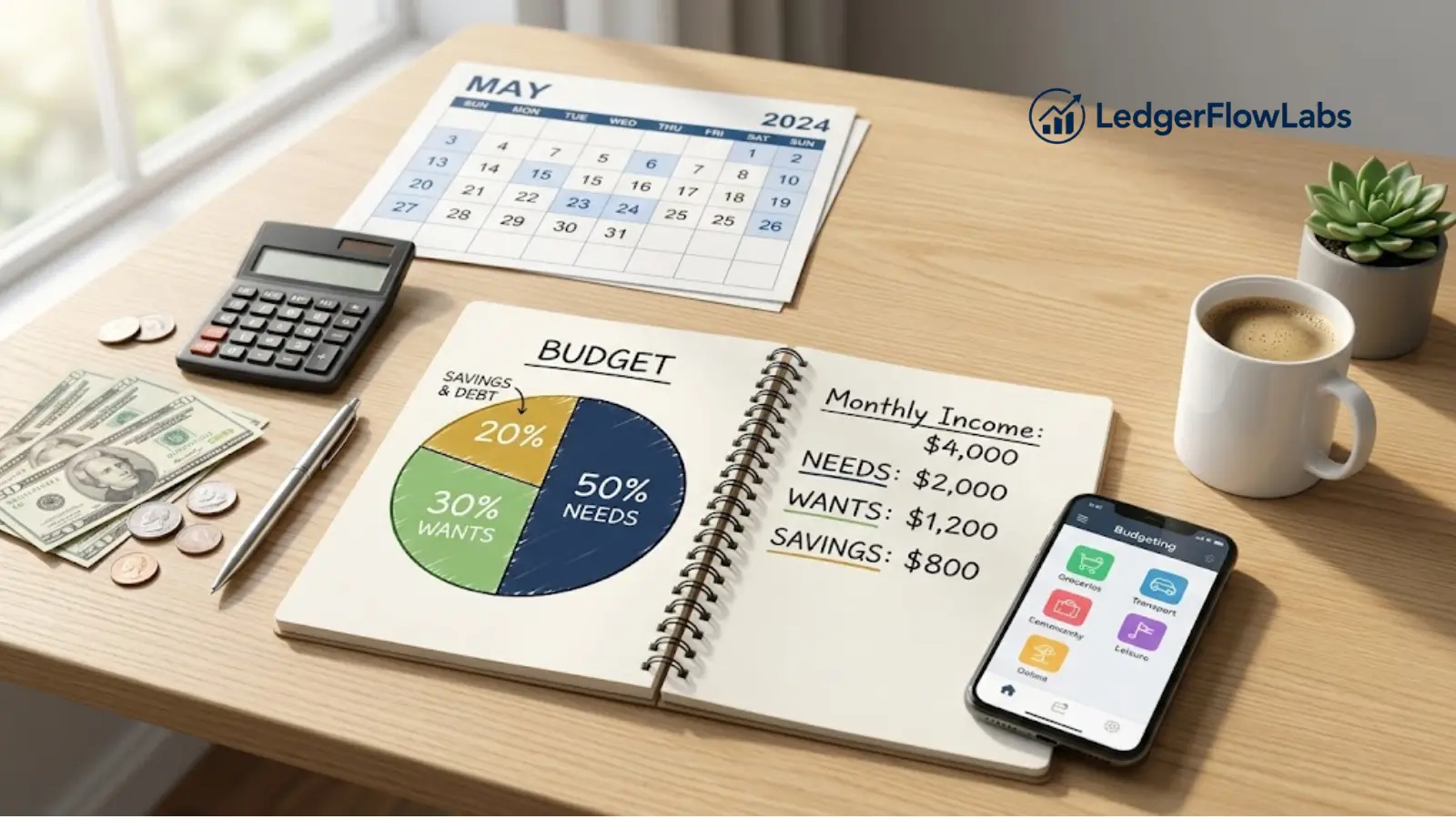
The 50/30/20 rule splits your take-home pay into 50% needs, 30% wants, and 20% savings. See a worked example, plus when it does not fit.

The commonly cited range is 3 to 6 months of expenses. Here is who says so, why the range is wide, and three questions to place yourself in it.

New to budgeting? Learn what a budget really is, the 3 things every budget needs, and how to choose the method that fits you. No jargon.
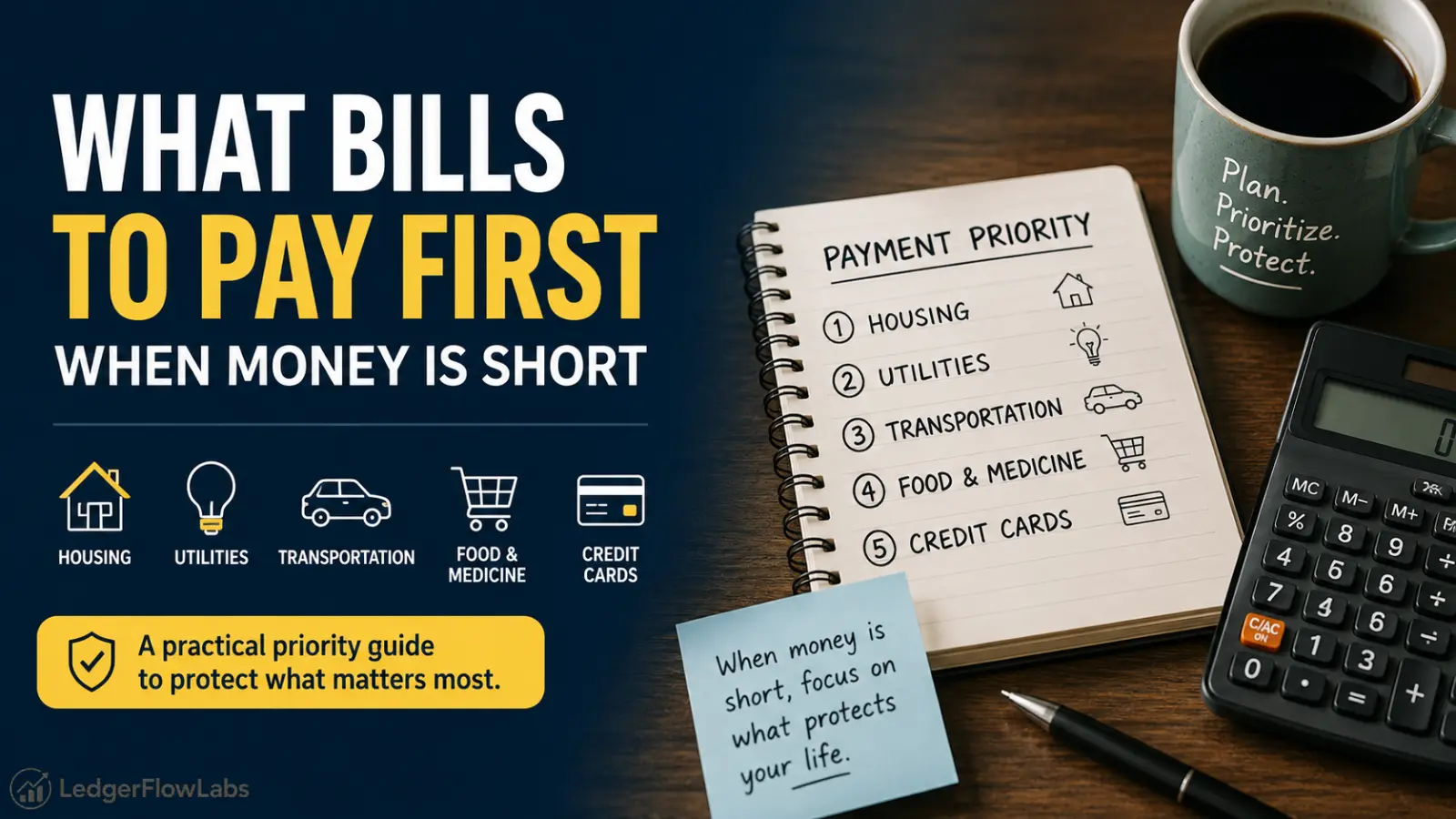
Keep the roof, the heat and the way you get to work. Here is the consequence ladder behind that order, plus free US help you can call today.
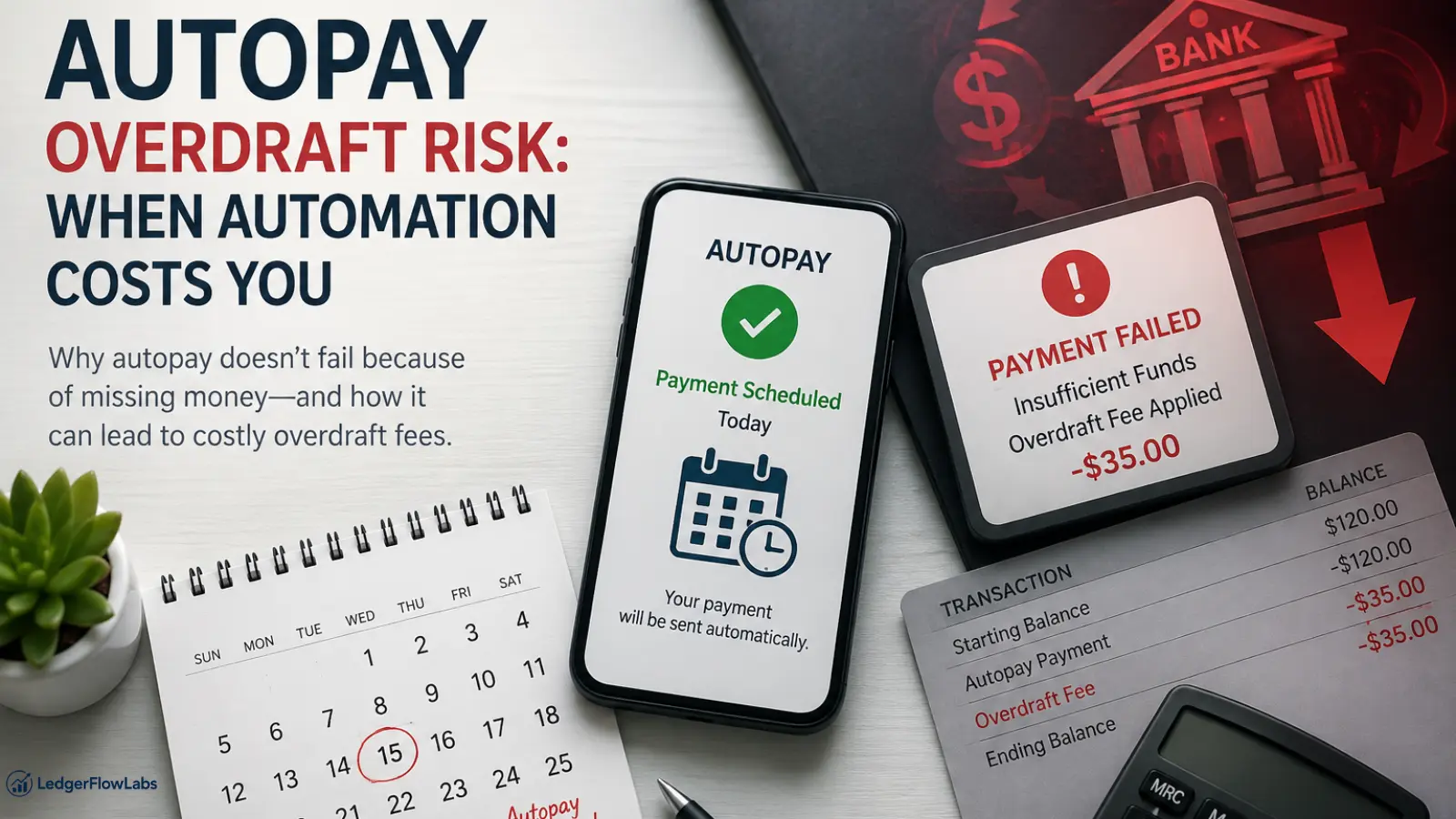
Autopay on the due date is the riskiest date you can pick. Here is how same-day posting order, retries and pull-versus-push payments create an overdraft.
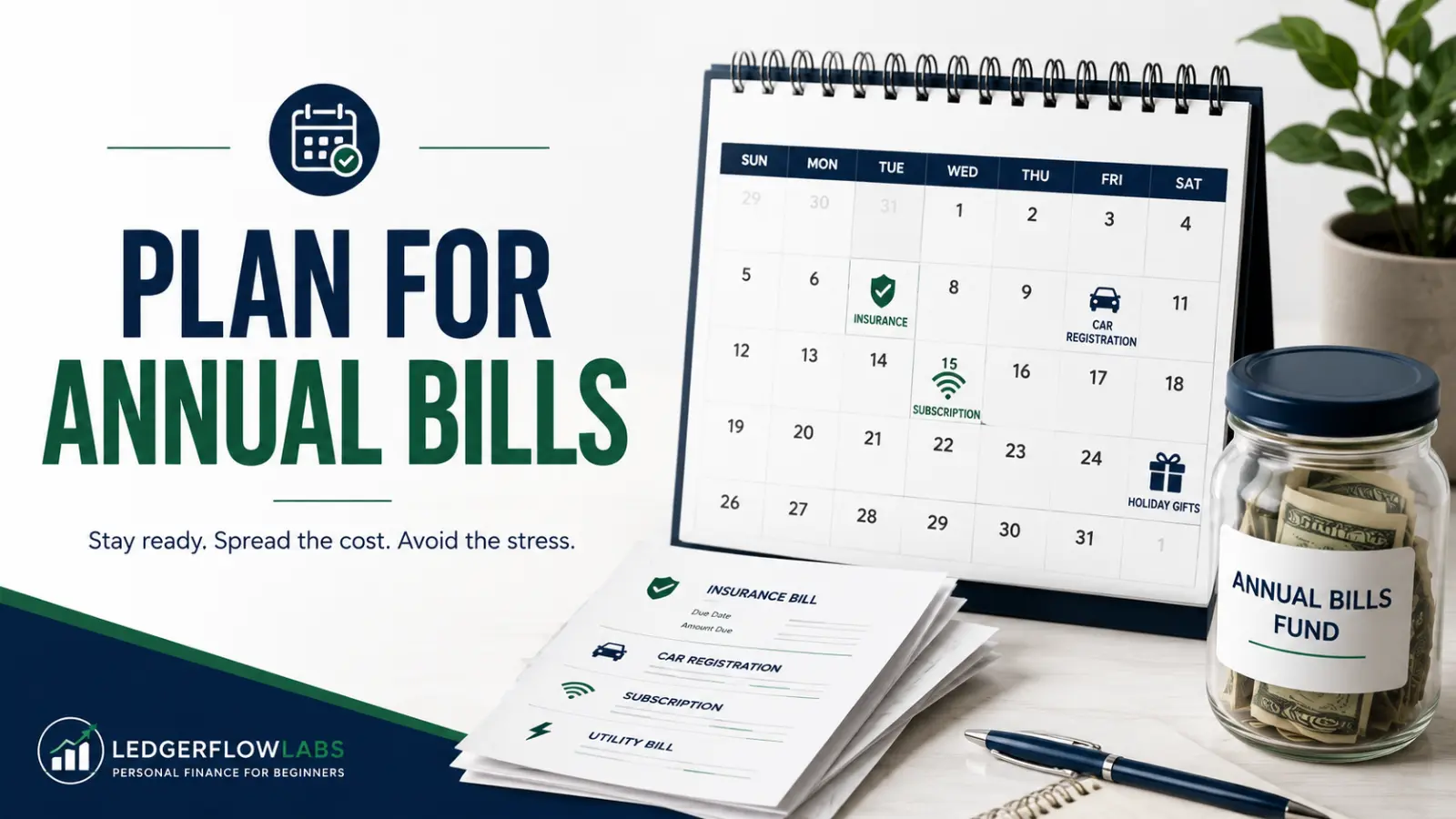
Insurance hits once a year and wrecks that month. Here is how to spread annual bills across the months, including the first-year problem nobody explains.
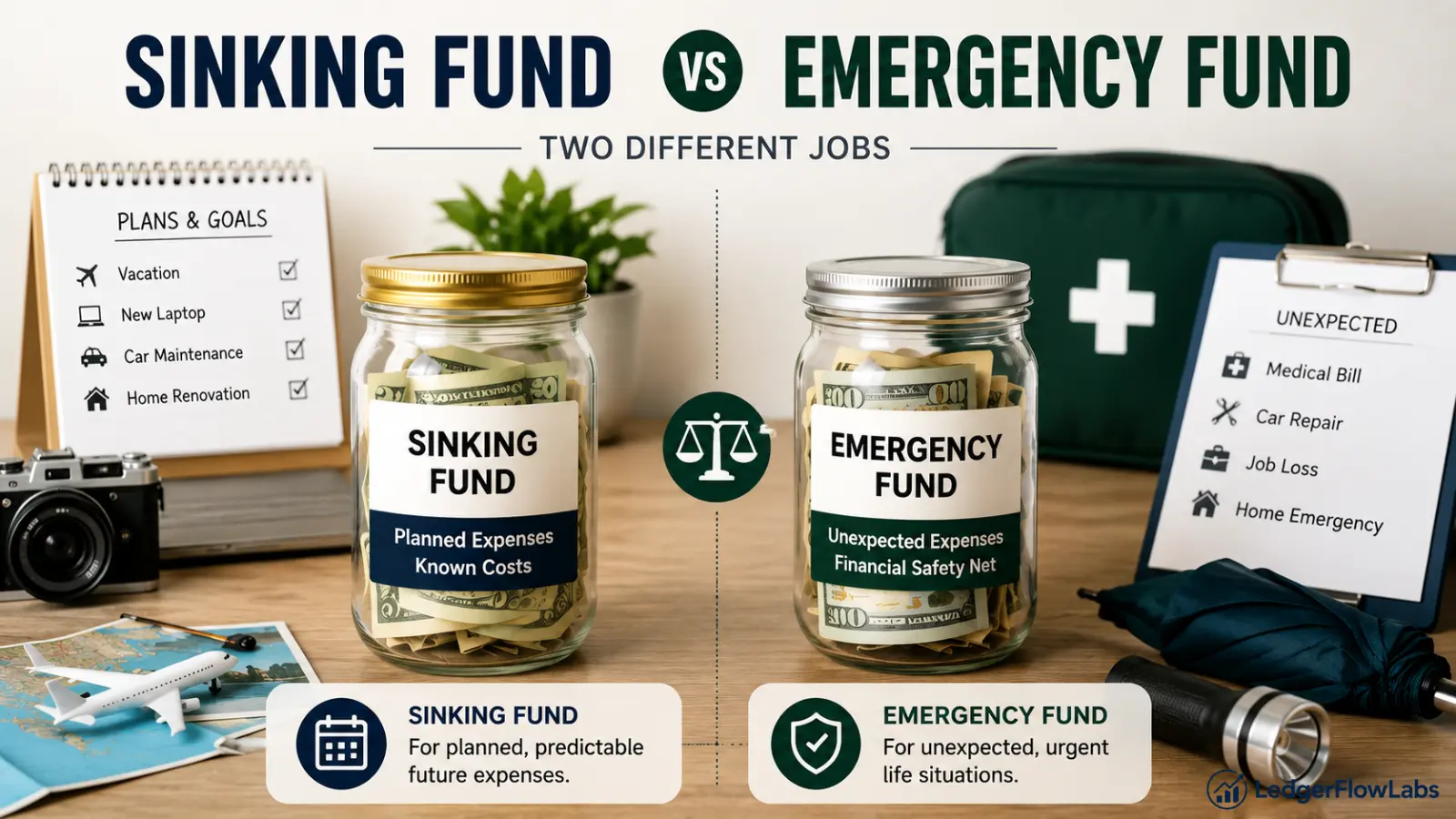
A sinking fund is for the expense you can see coming. An emergency fund is for the one you cannot. Here is how to tell them apart and use both.

Pay yourself first is about order, not amount. Learn the rule, the typical percentage ranges cited by banks, and what to do if your number is small.