Bill Due Before Payday: Which Rules Reach It, Which Don’t
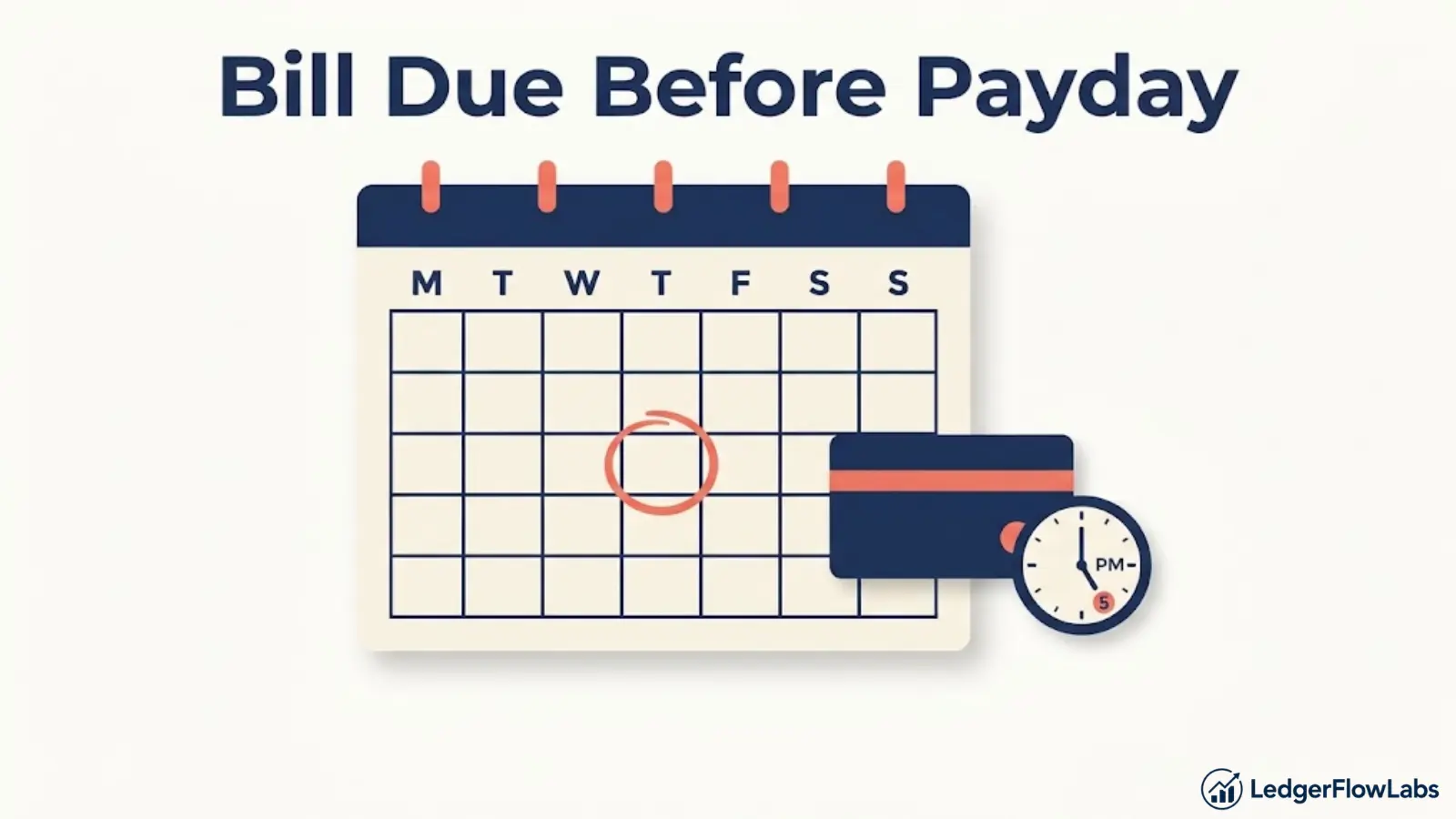
Regulation Z gives a card bill a 5 p.m. cut-off, a weekend rule and a 21-day rule. Rent, utilities and insurance get none of it. That split decides your options.

Regulation Z gives a card bill a 5 p.m. cut-off, a weekend rule and a 21-day rule. Rent, utilities and insurance get none of it. That split decides your options.
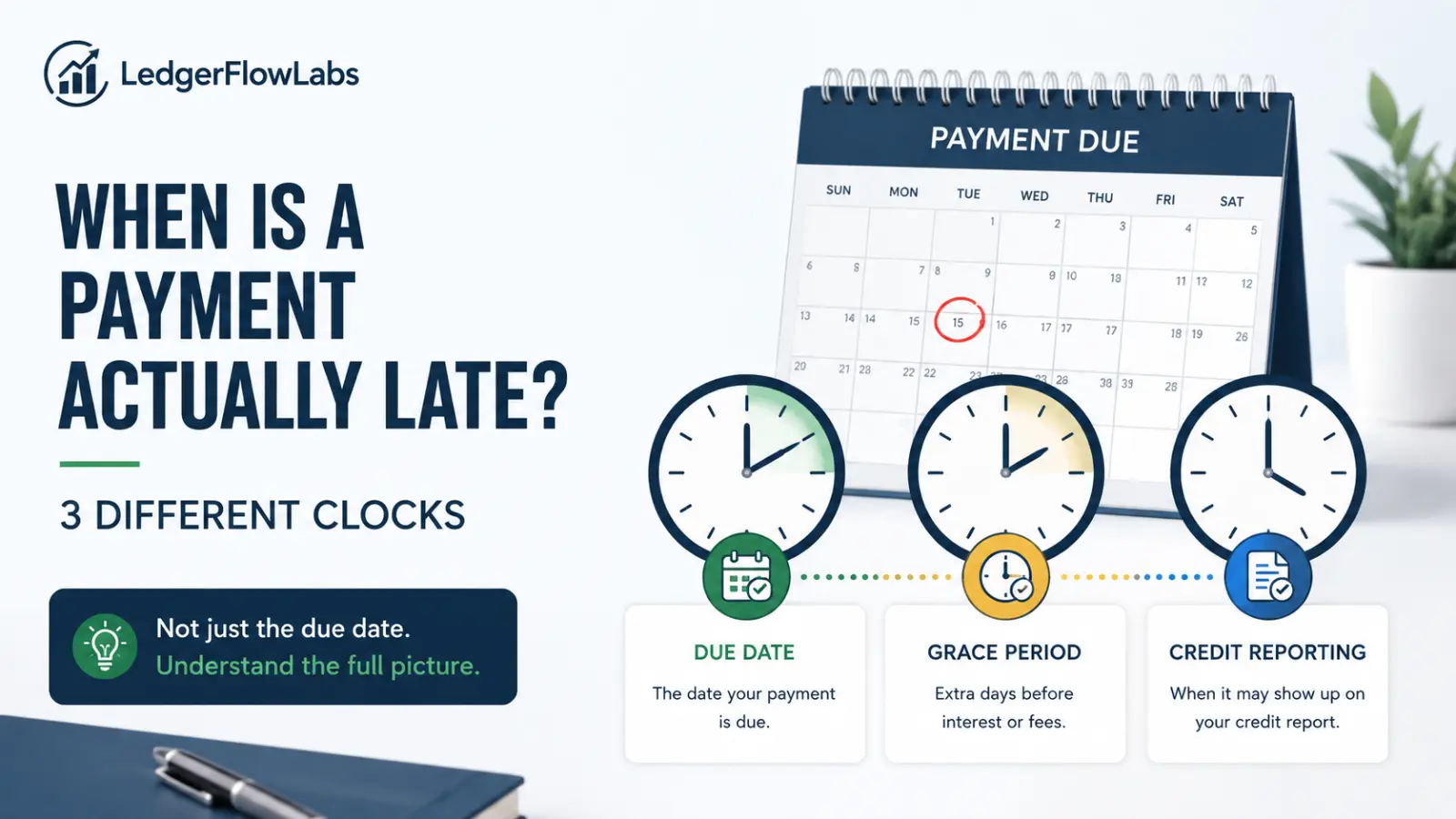
A payment is late at the due date, not at 30 days. Here is what US rules say about the grace period, the late fee and credit reporting, clock by clock.
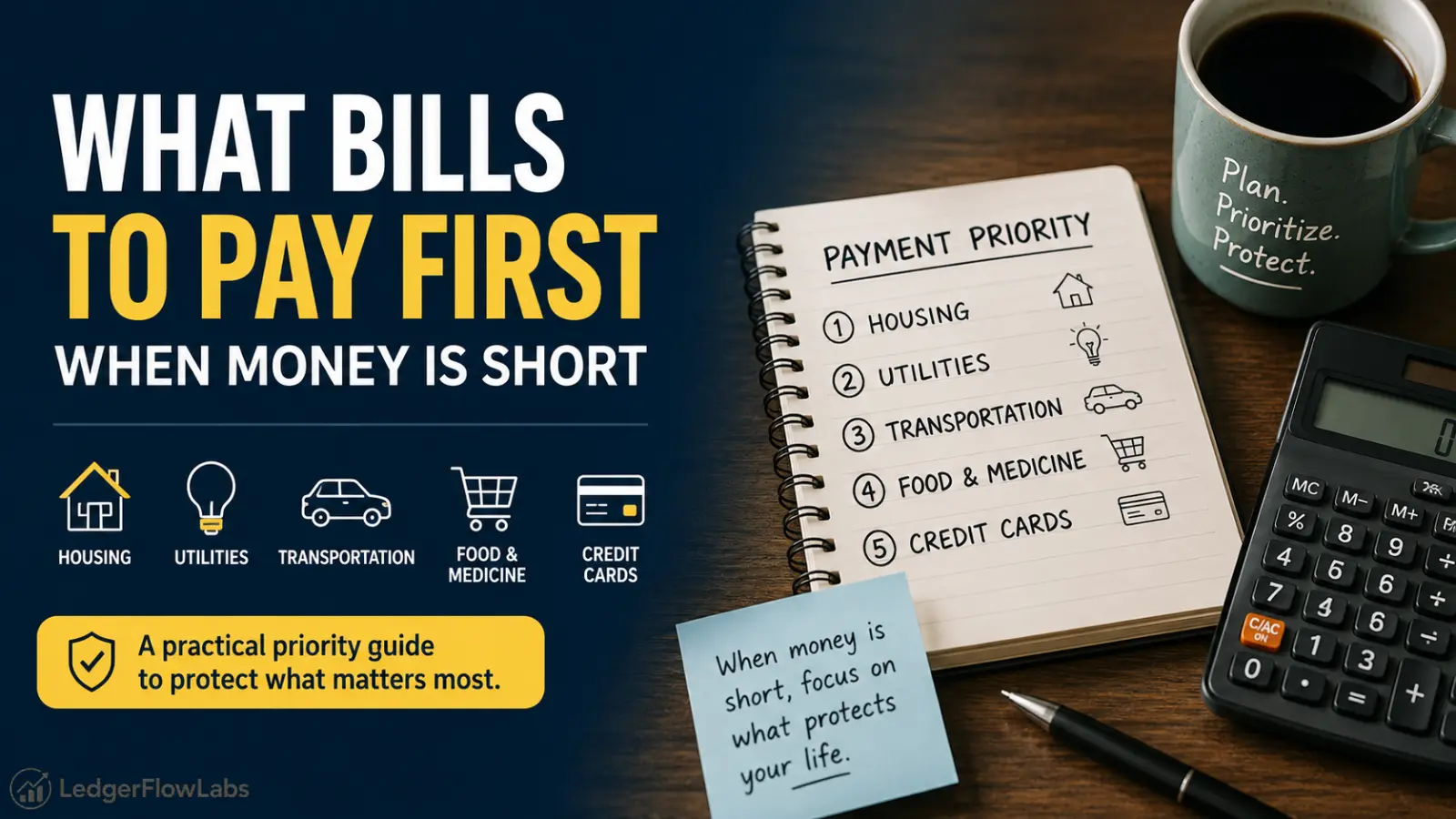
Keep the roof, the heat and the way you get to work. Here is the consequence ladder behind that order, plus free US help you can call today.
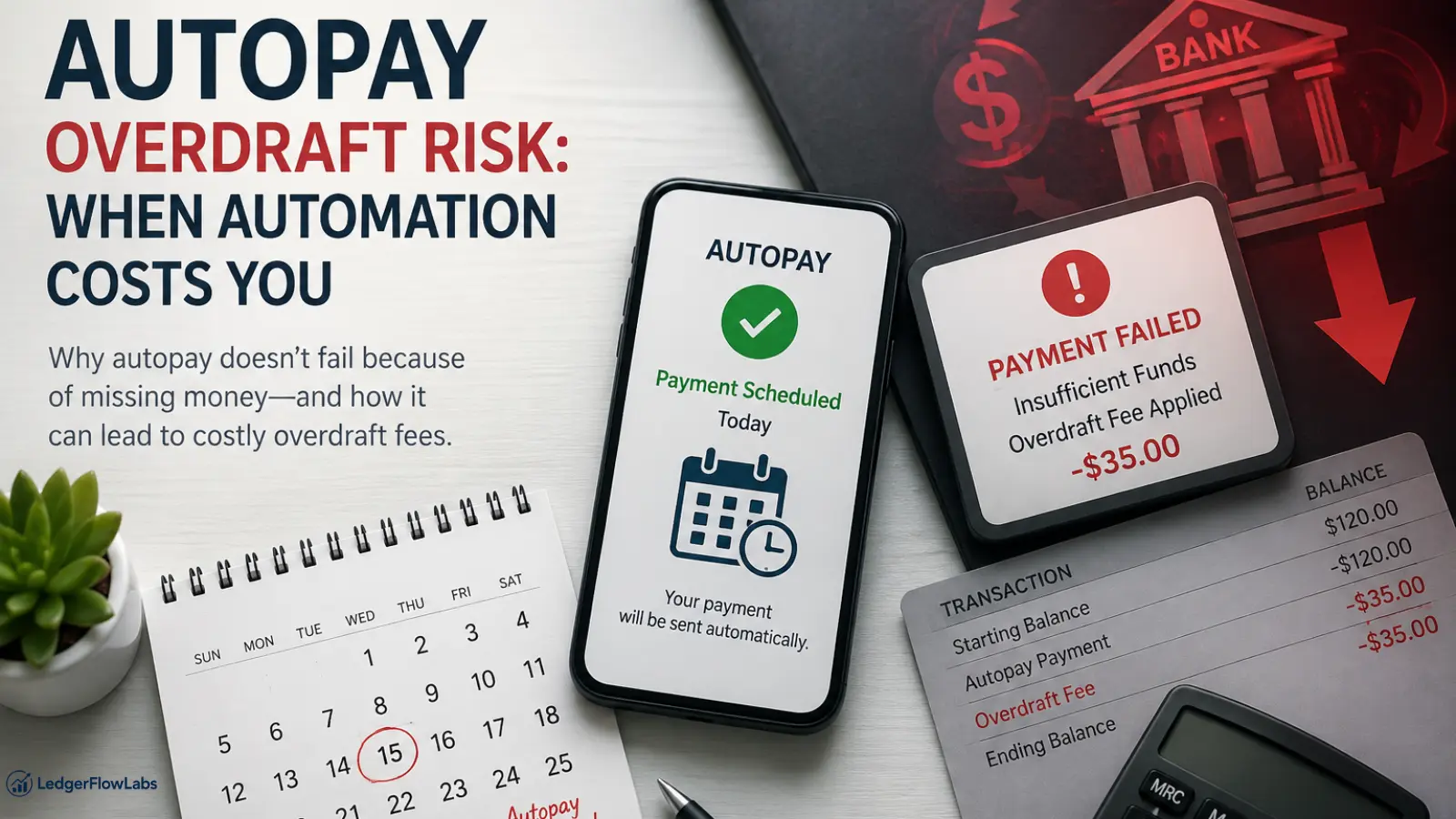
Autopay on the due date is the riskiest date you can pick. Here is how same-day posting order, retries and pull-versus-push payments create an overdraft.
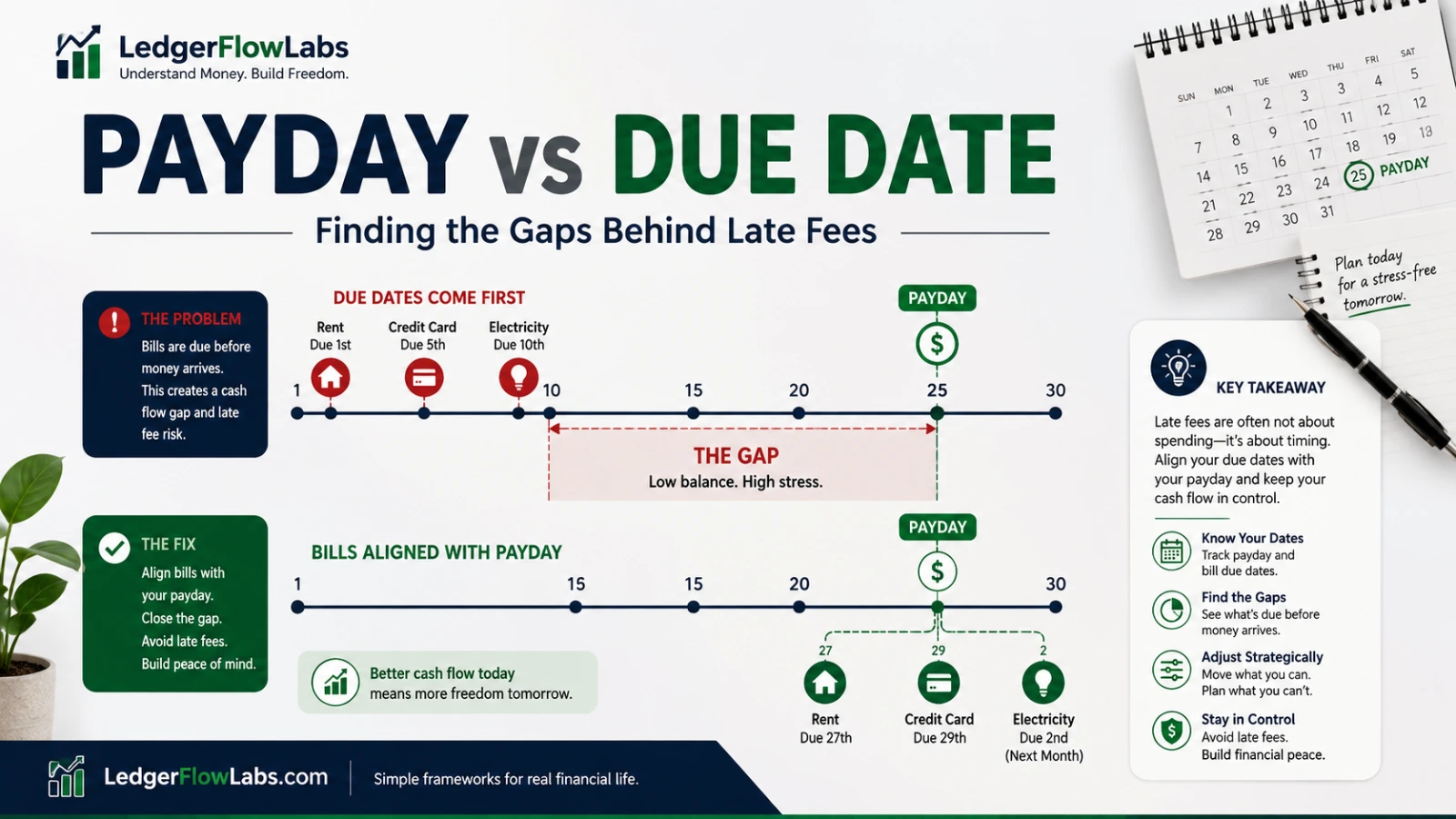
Put your pay dates and due dates on one timeline, find the negative stretches, and learn why moving every bill to just after payday backfires.
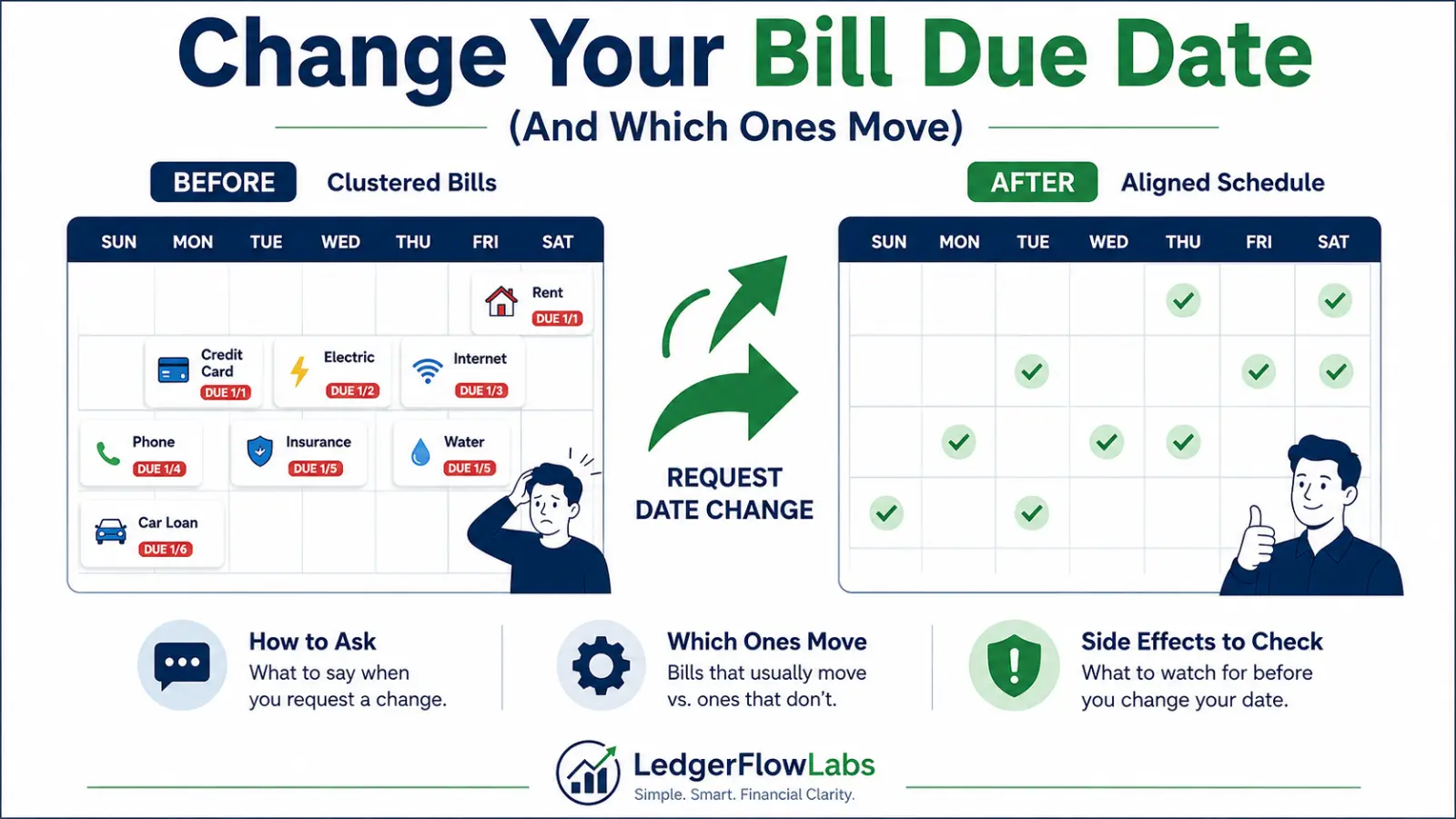
You can often ask a provider to move a bill due date. Here is which bills usually move, what to say, and the transition bill that catches people out.

A bill calendar turns scattered due dates into one timeline. Here is how to find every date, including the ones you cannot remember, and keep it current.
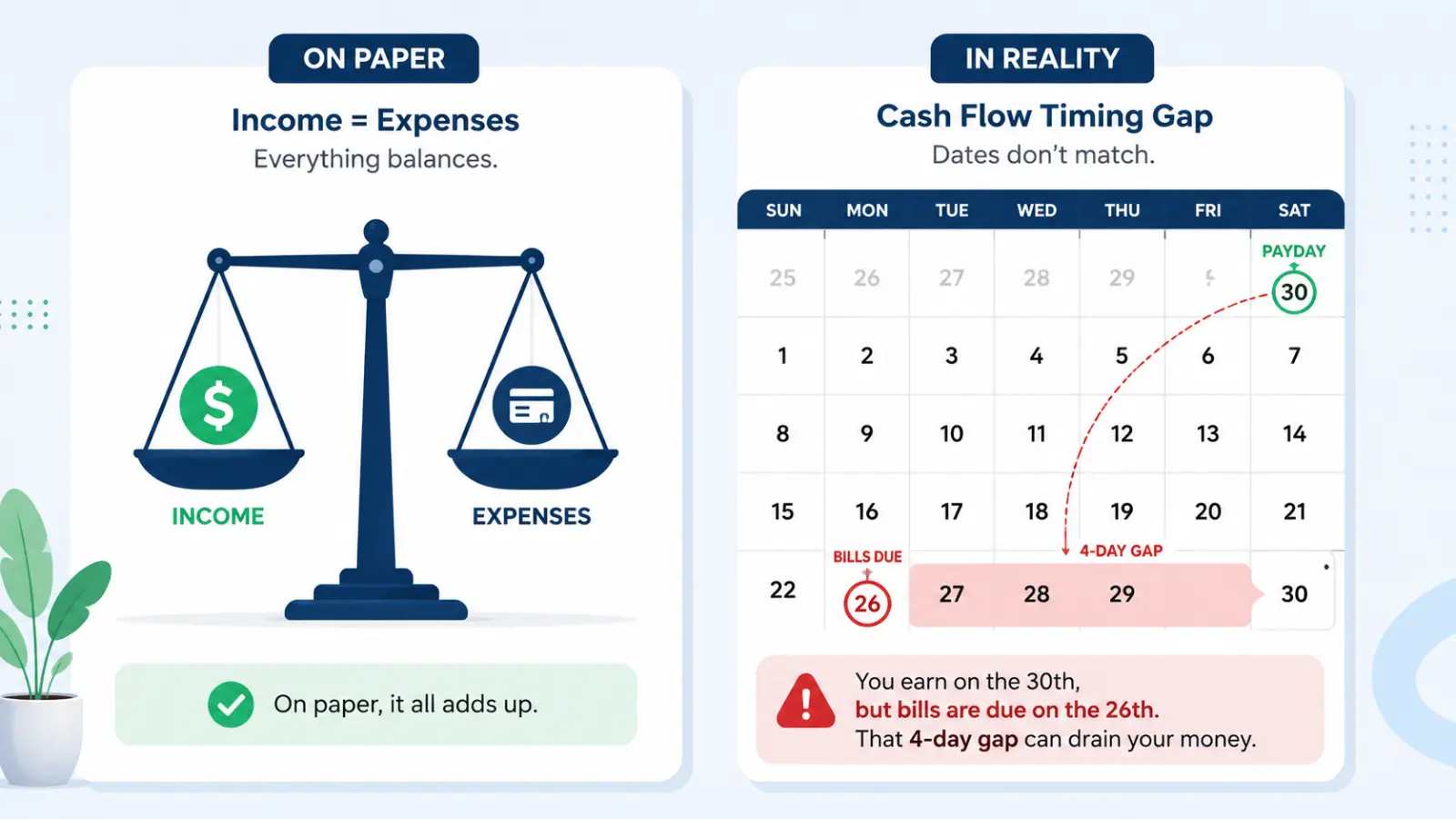
Running out before payday is often a timing problem, not a spending one. Here are the three calendar mechanics that drain an account that should balance.
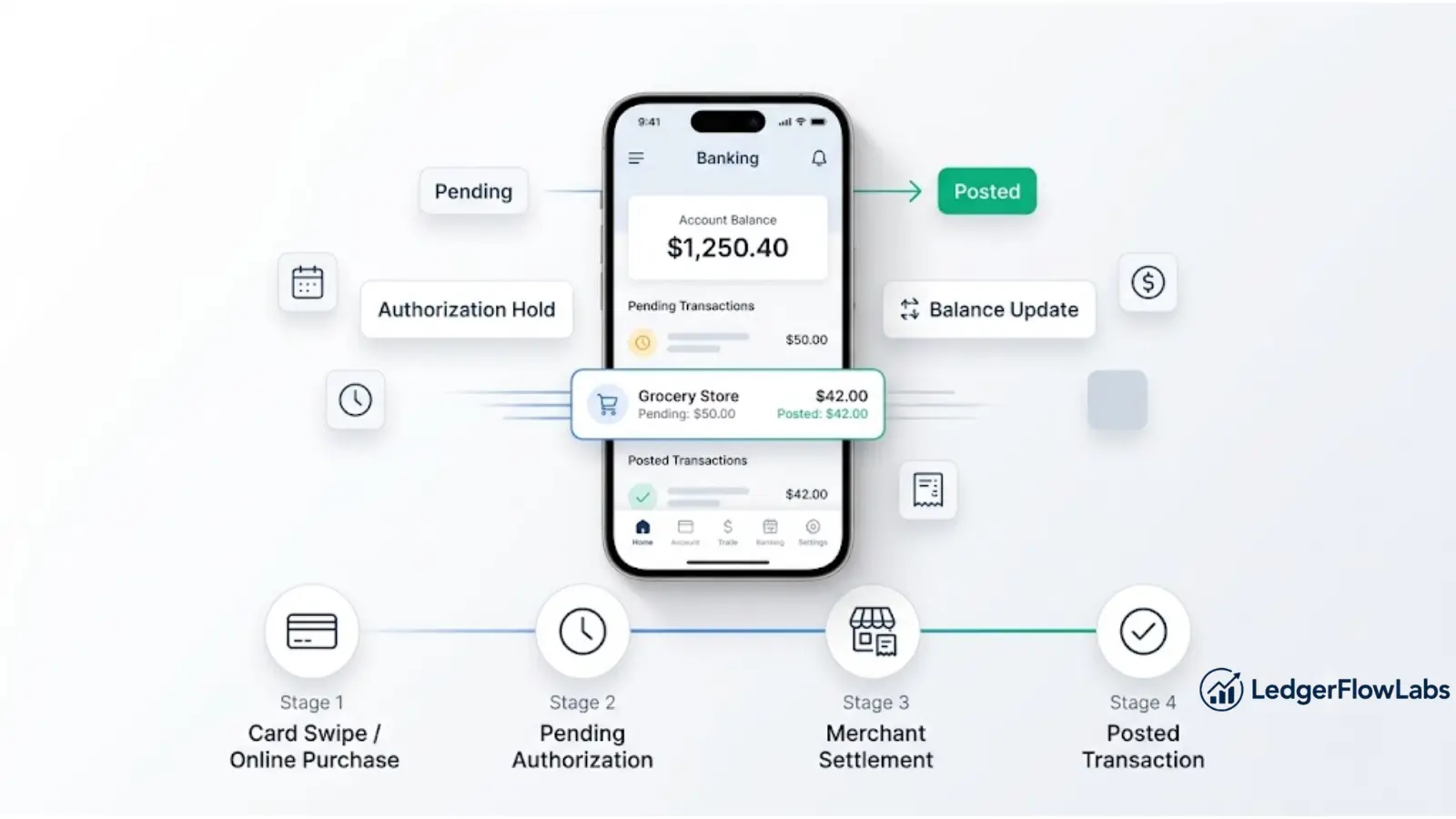
A card charge passes through four stages before it is final. Here is the timeline, why the amount changes, and why pending is not proof a bill was paid.