How to Plan for Seasonal Expenses in Your Own Budget

Seasonal spikes are not bills. Here is how to find your own spike months in twelve months of records, and fund them before they arrive.

Seasonal spikes are not bills. Here is how to find your own spike months in twelve months of records, and fund them before they arrive.
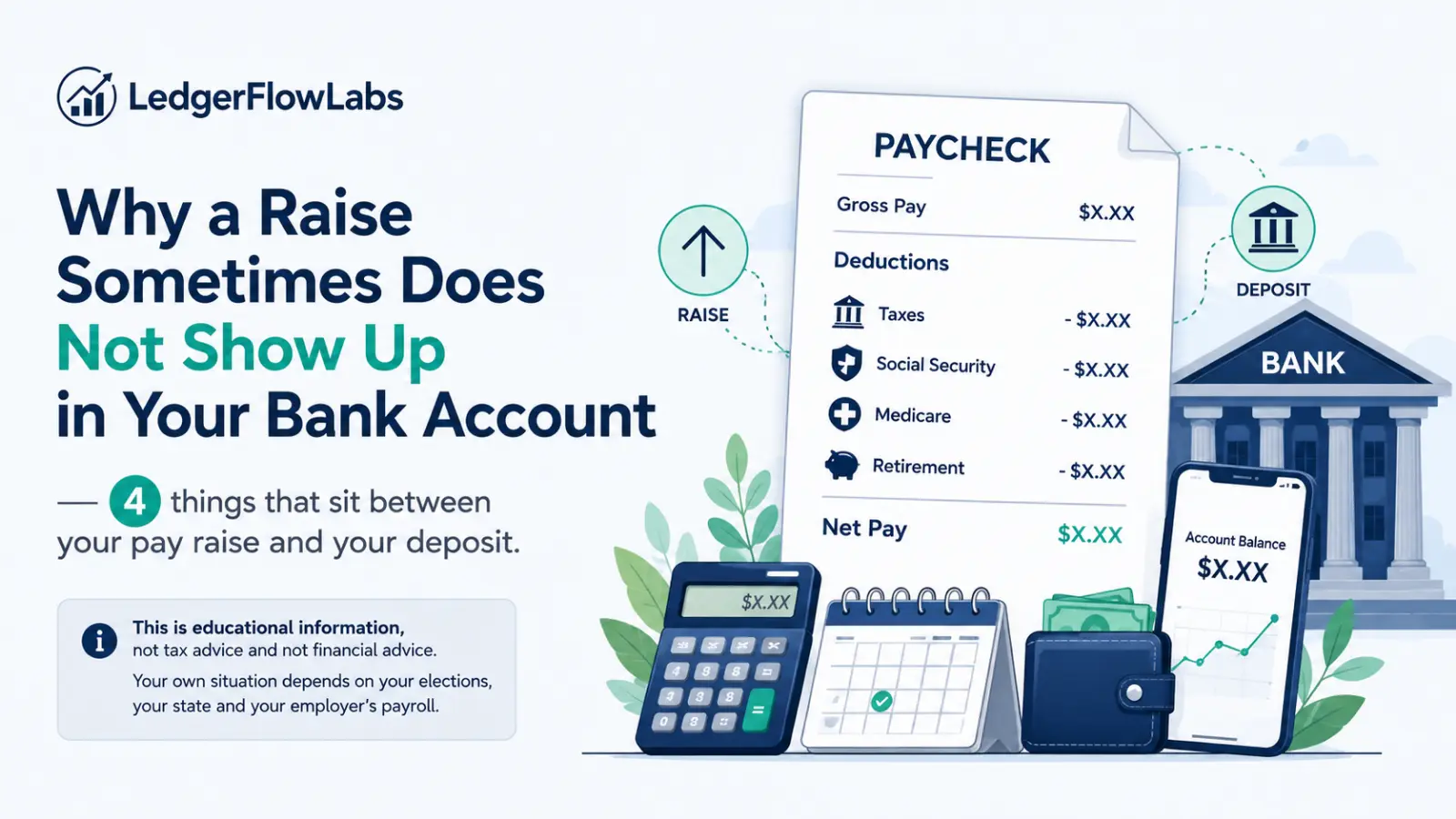
A raise is gross and your deposit is net. Four things sit between them, three of them scale with pay, and one of them is a rate the IRS publishes. Read your own stub.
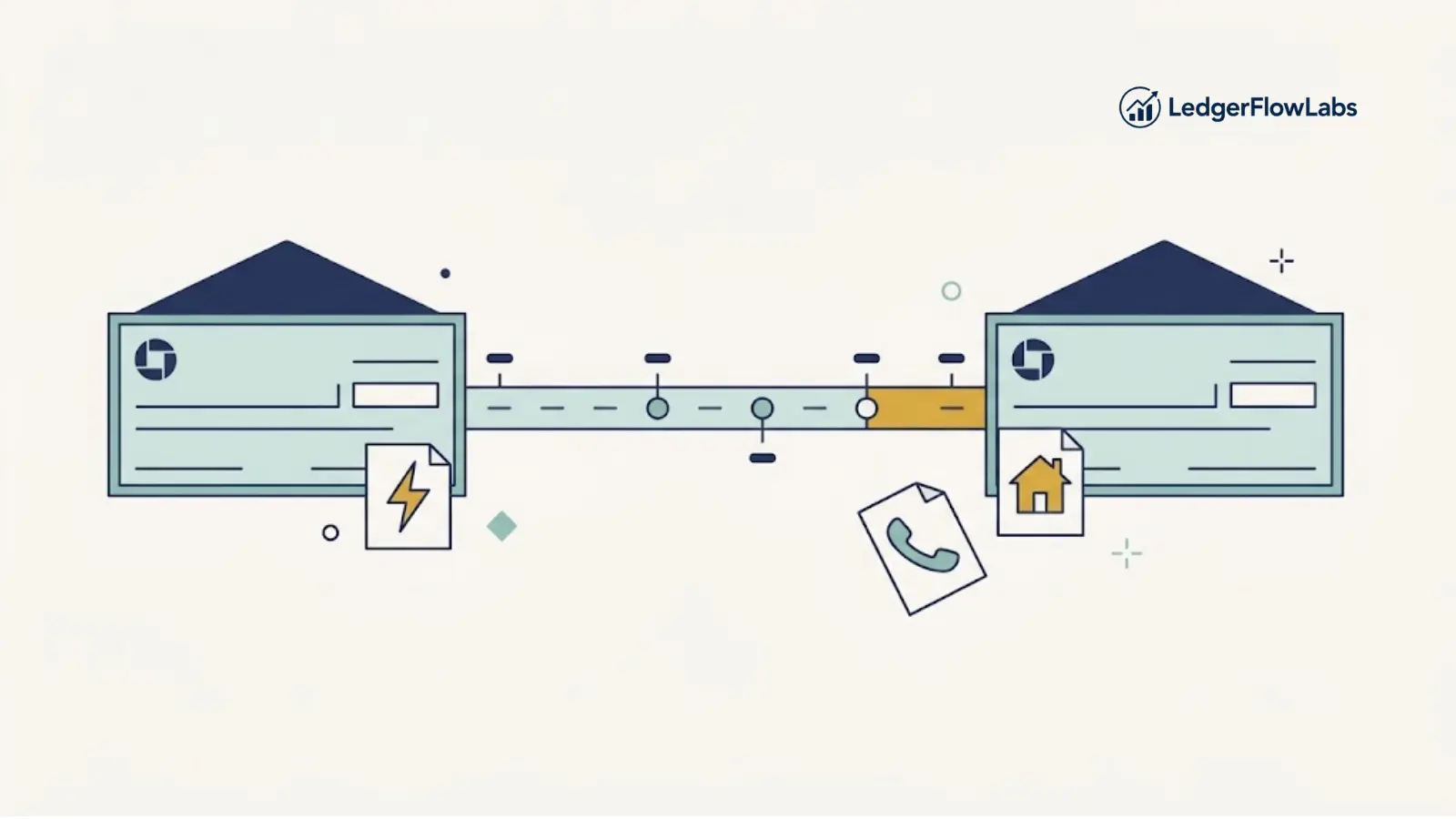
Halving the total is the obvious method and it fails on a biweekly schedule. Assign bills to the paycheck that arrives before them, and the calendar stops mattering.

One bad month tells you nothing. Three months of the same two columns tells you which weeks are structurally short, and that is a timing problem, not a spending one.
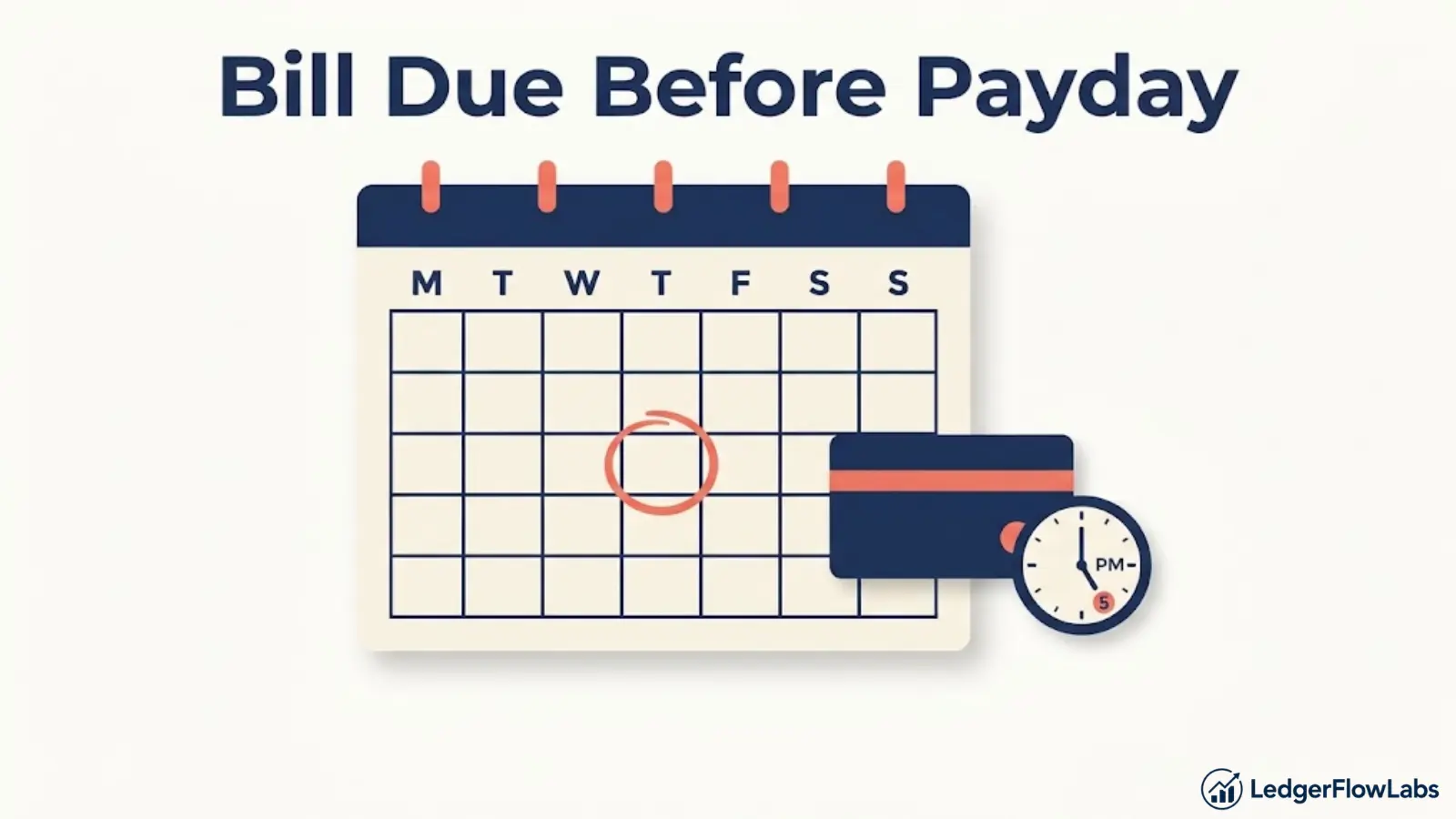
Regulation Z gives a card bill a 5 p.m. cut-off, a weekend rule and a 21-day rule. Rent, utilities and insurance get none of it. That split decides your options.
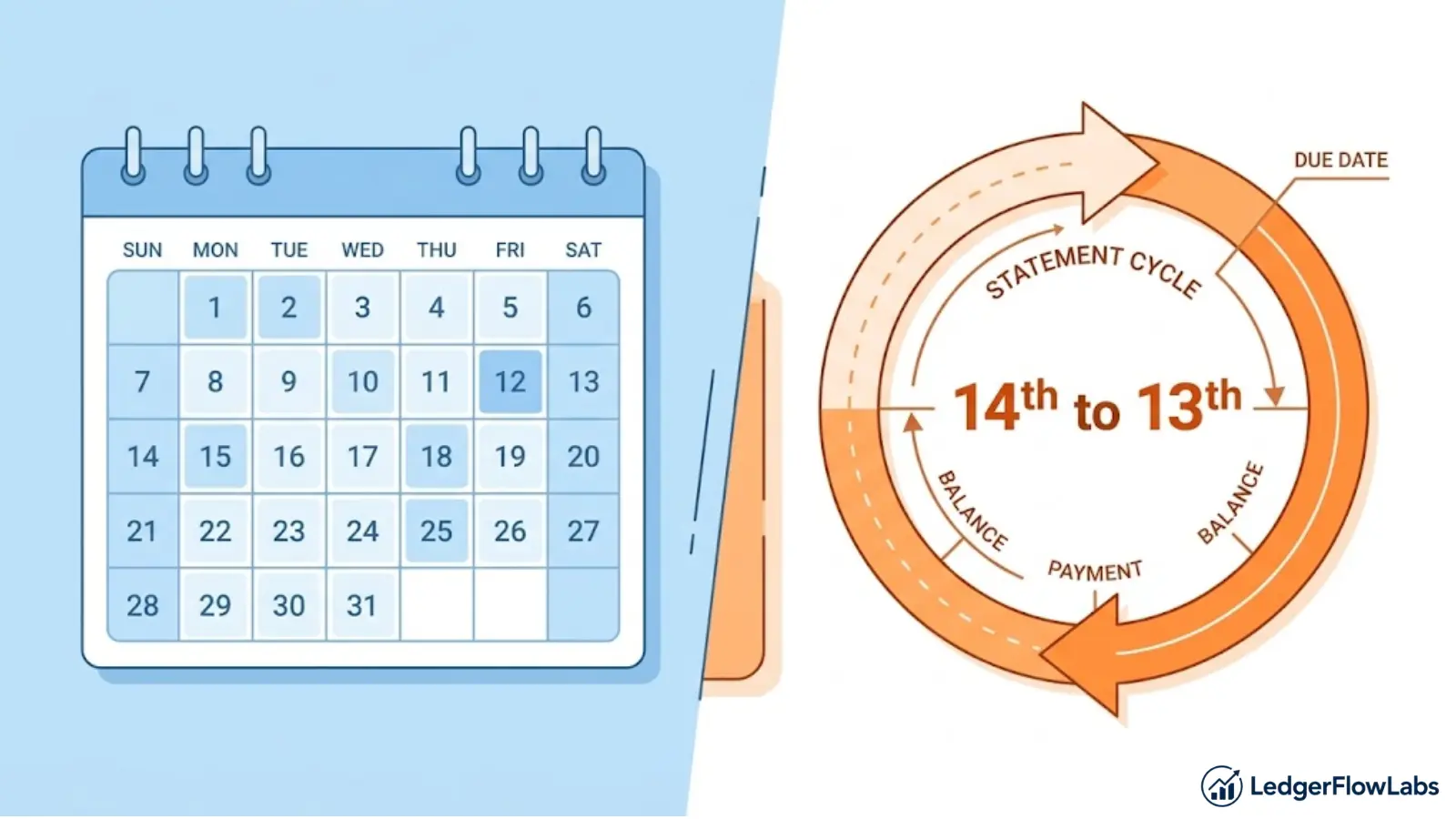
A billing cycle is defined by your statement dates, not the calendar. Regulation Z sets the closing date, the 21 days and a due date fixed to one day of the month.
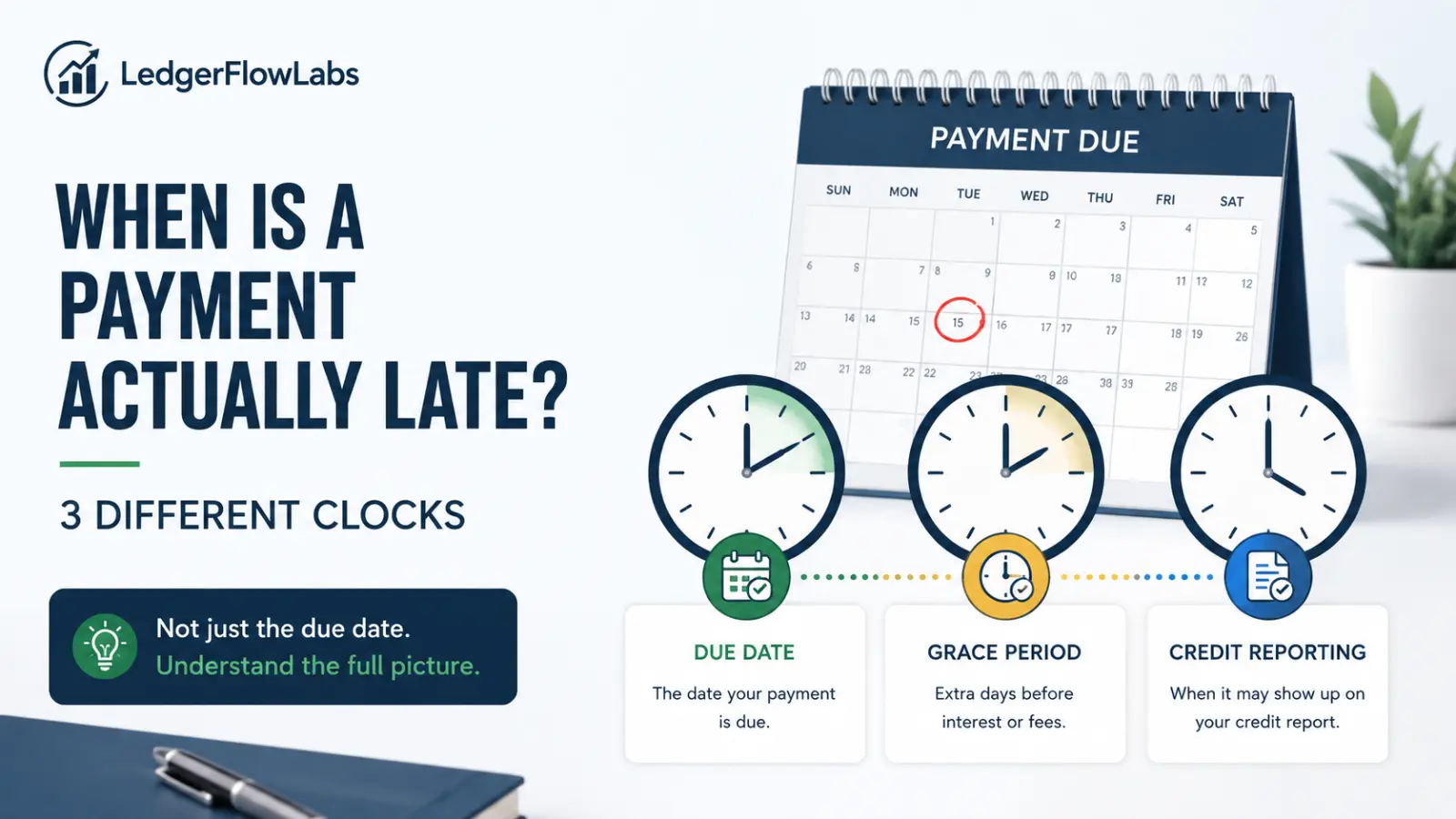
A payment is late at the due date, not at 30 days. Here is what US rules say about the grace period, the late fee and credit reporting, clock by clock.

Keep the roof, the heat and the way you get to work. Here is the consequence ladder behind that order, plus free US help you can call today.
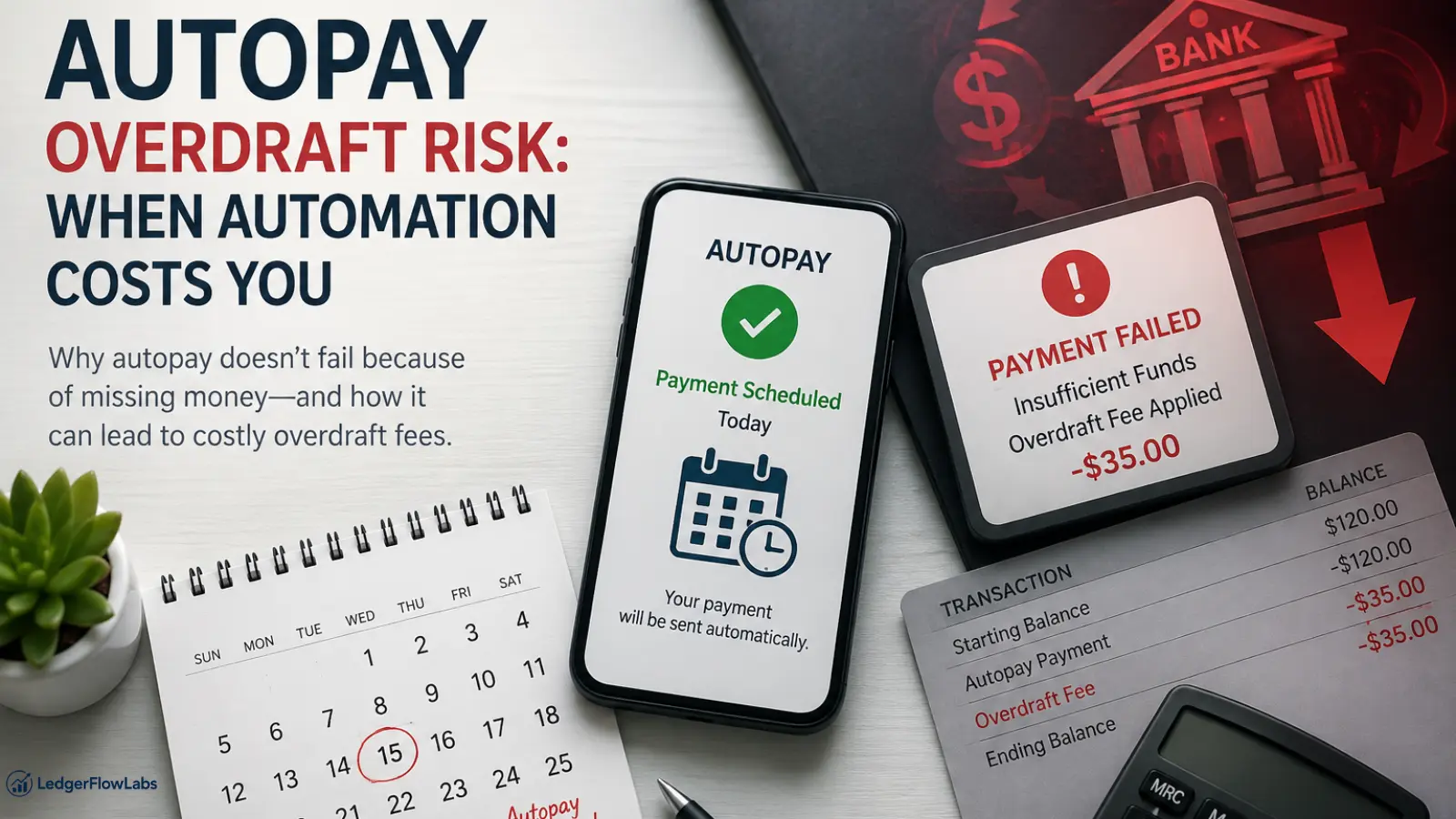
Autopay on the due date is the riskiest date you can pick. Here is how same-day posting order, retries and pull-versus-push payments create an overdraft.
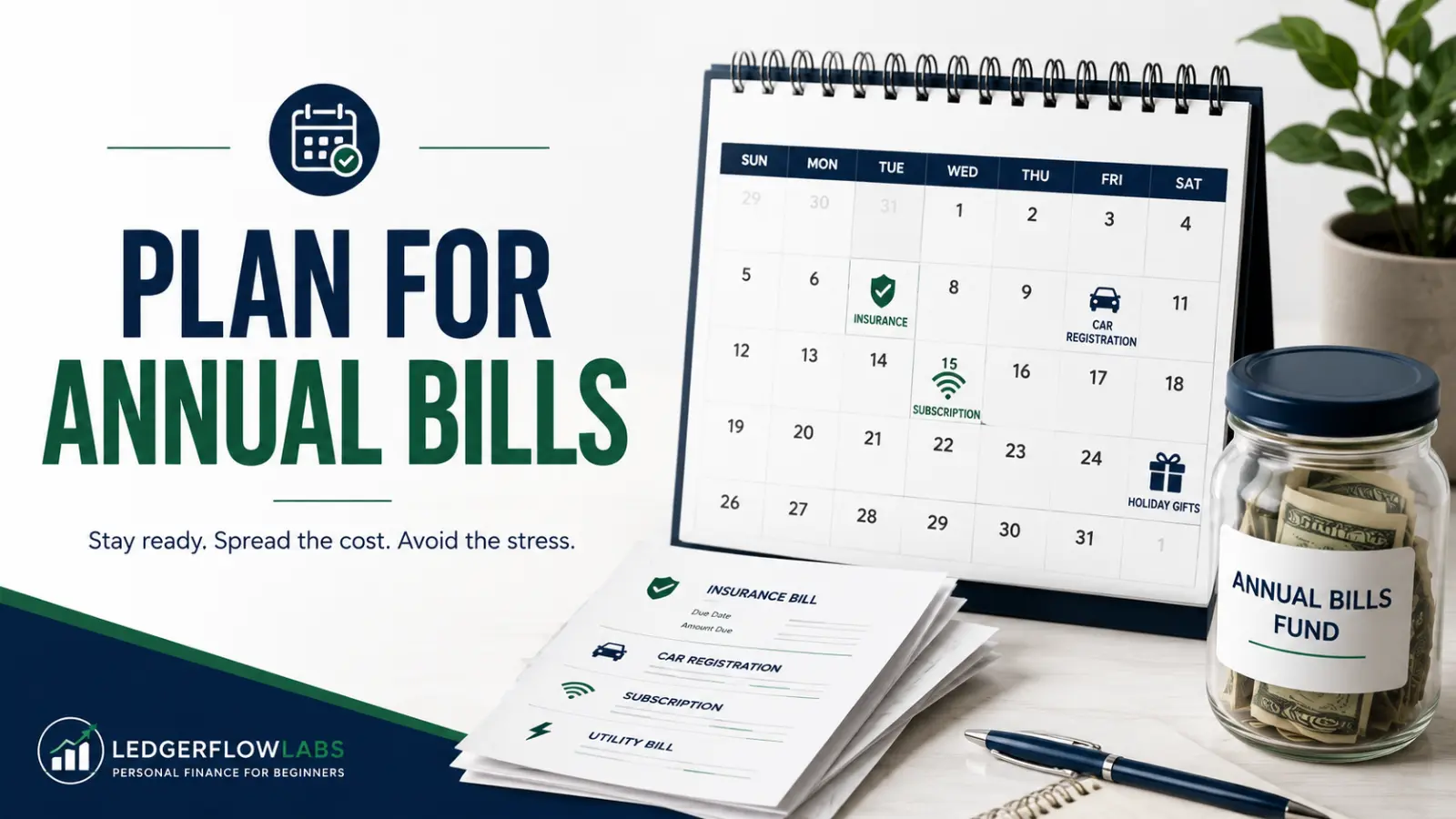
Insurance hits once a year and wrecks that month. Here is how to spread annual bills across the months, including the first-year problem nobody explains.