Bill Due Before Payday: Which Rules Reach It, Which Don’t
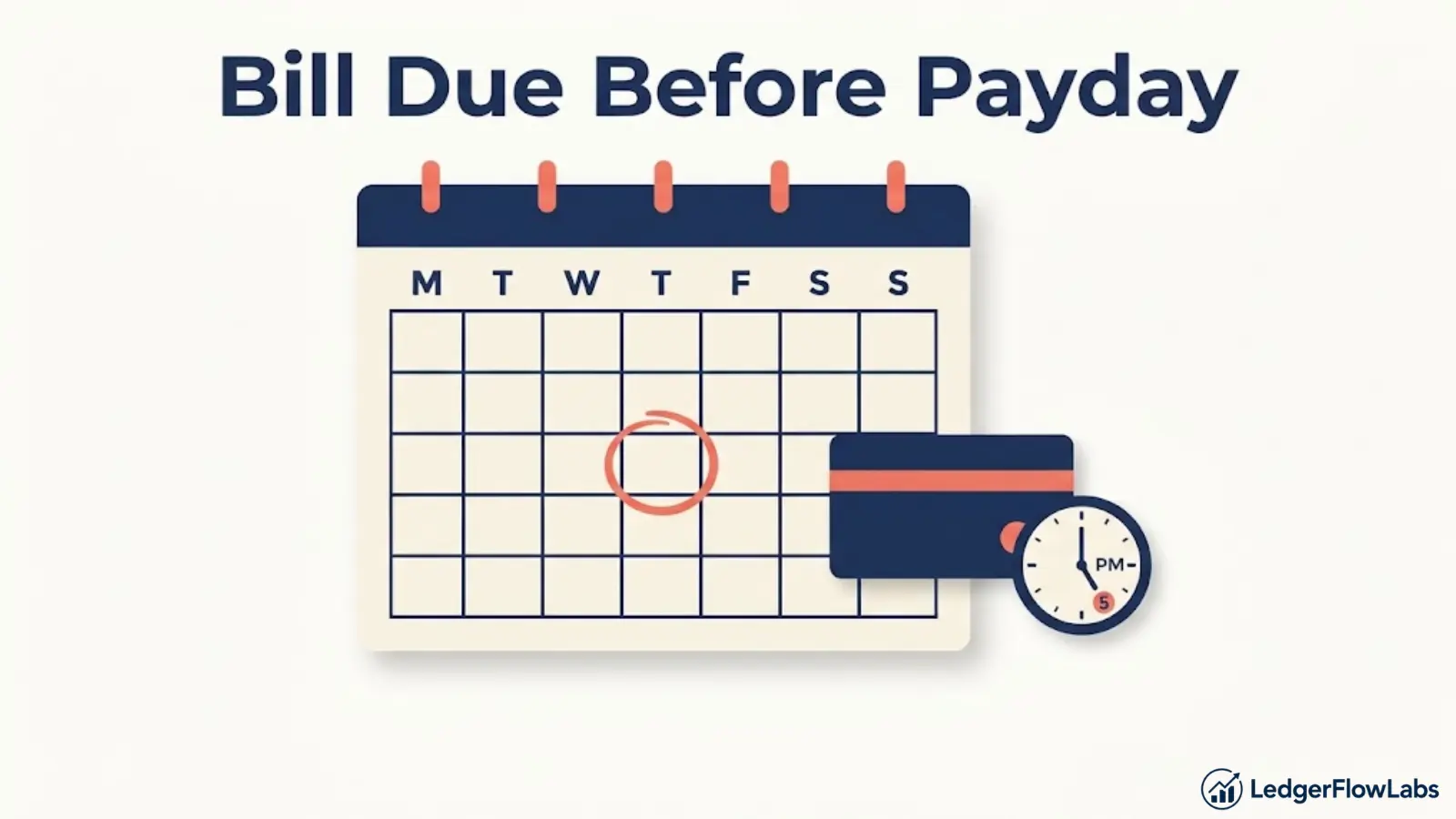
Regulation Z gives a card bill a 5 p.m. cut-off, a weekend rule and a 21-day rule. Rent, utilities and insurance get none of it. That split decides your options.

Regulation Z gives a card bill a 5 p.m. cut-off, a weekend rule and a 21-day rule. Rent, utilities and insurance get none of it. That split decides your options.
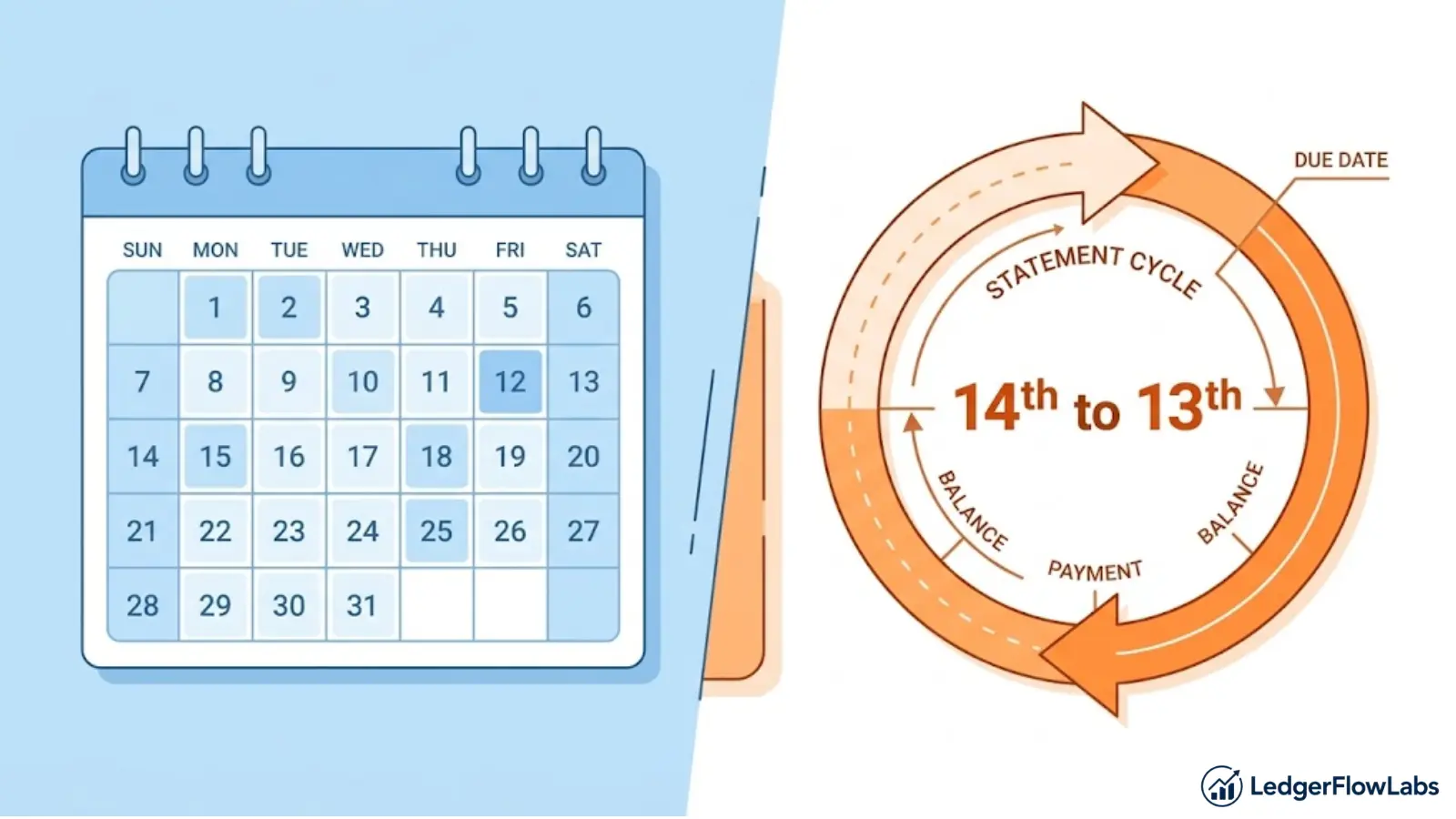
A billing cycle is defined by your statement dates, not the calendar. Regulation Z sets the closing date, the 21 days and a due date fixed to one day of the month.
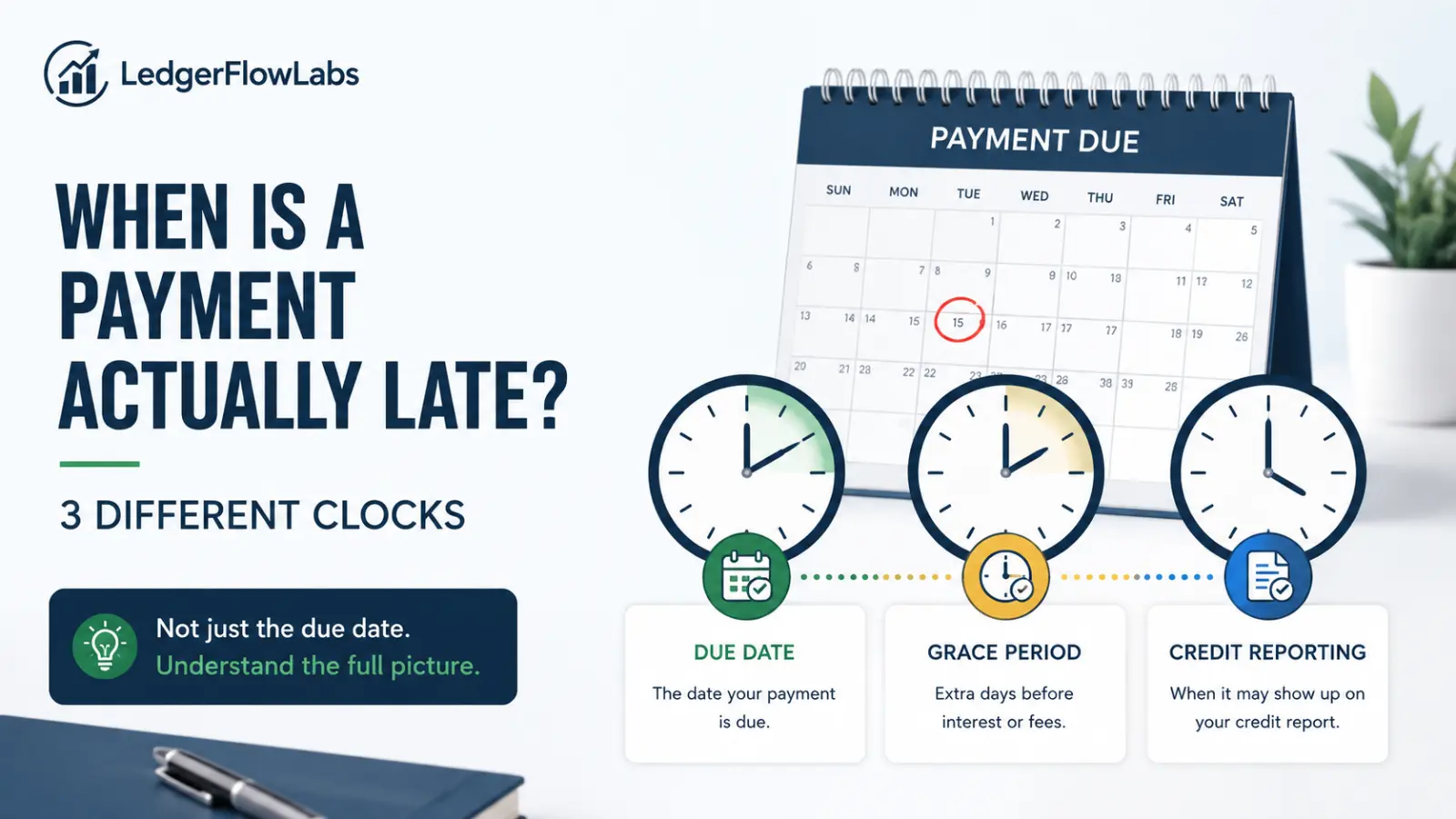
A payment is late at the due date, not at 30 days. Here is what US rules say about the grace period, the late fee and credit reporting, clock by clock.
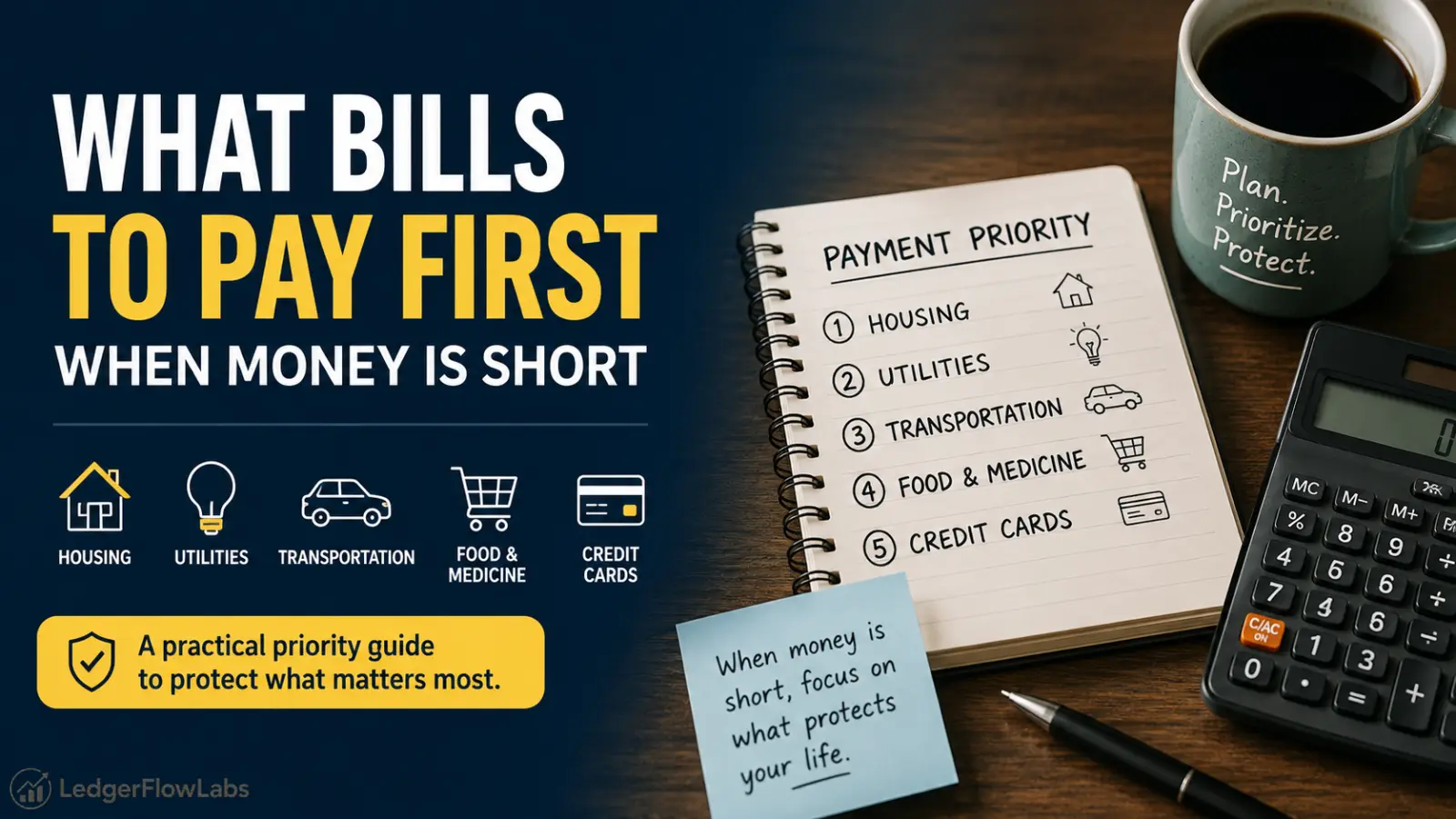
Keep the roof, the heat and the way you get to work. Here is the consequence ladder behind that order, plus free US help you can call today.
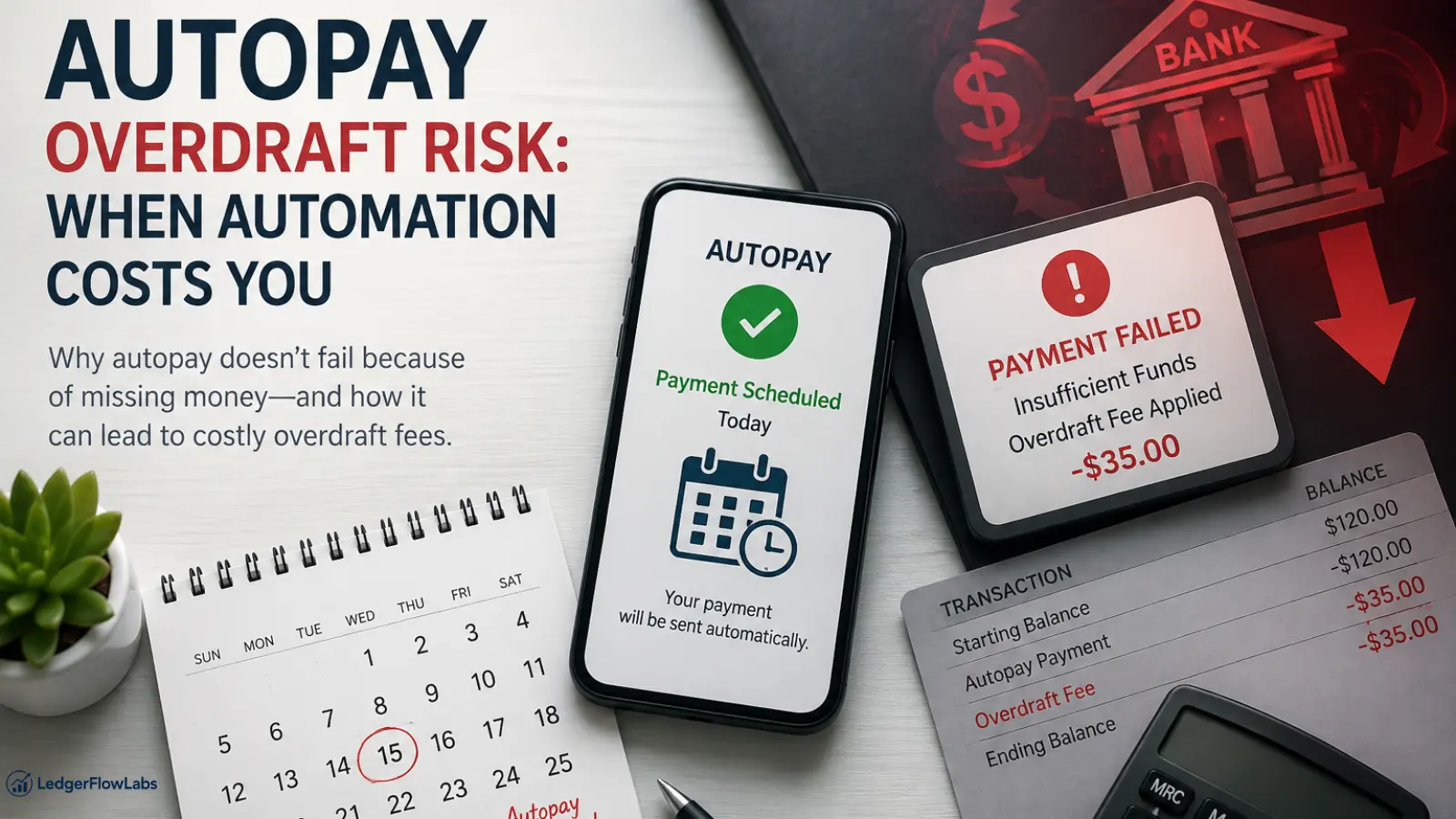
Autopay on the due date is the riskiest date you can pick. Here is how same-day posting order, retries and pull-versus-push payments create an overdraft.
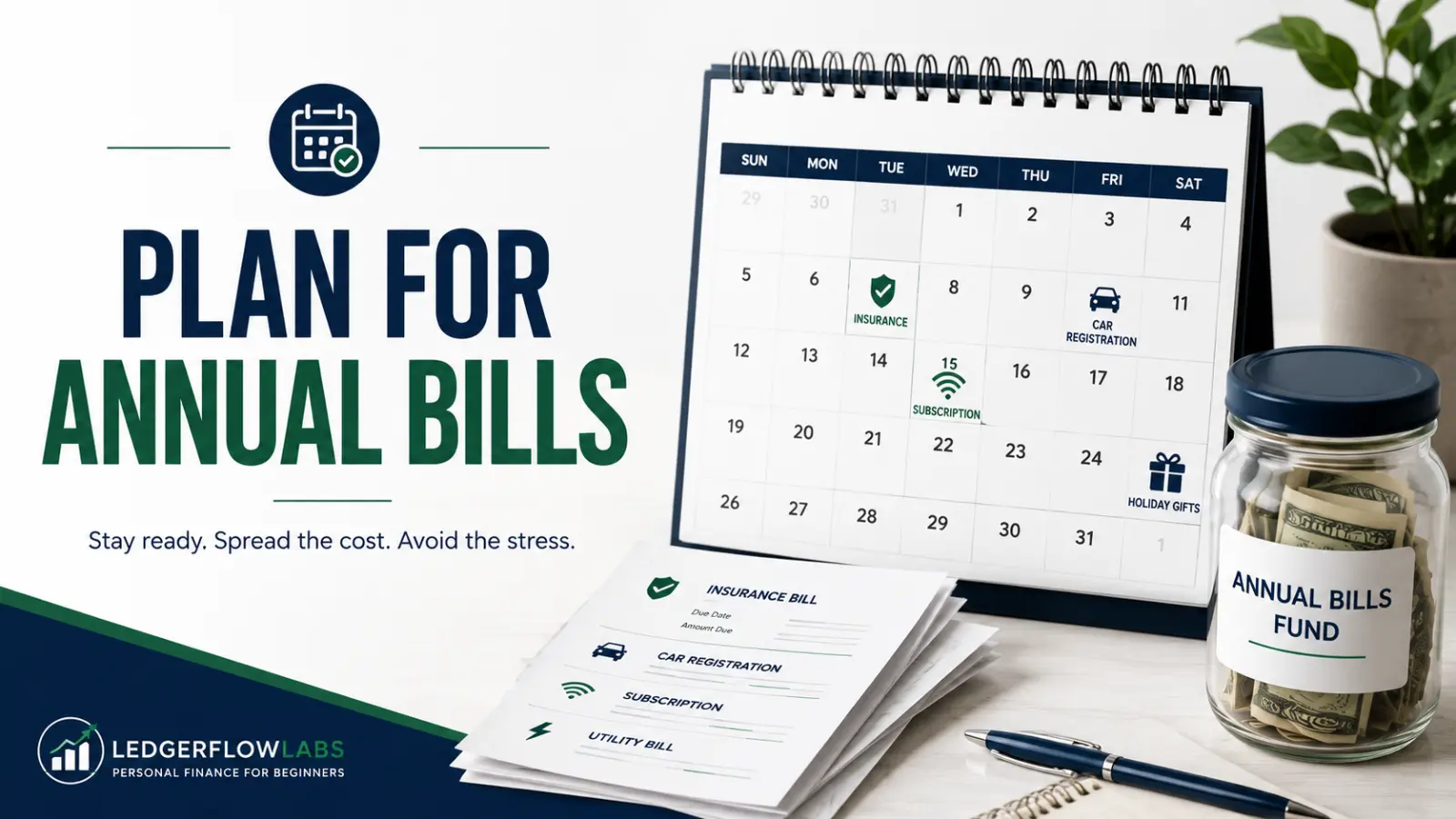
Insurance hits once a year and wrecks that month. Here is how to spread annual bills across the months, including the first-year problem nobody explains.

Groceries are never the same twice. Here is the arithmetic behind the number you write down, why the mean fails, and how to convert it to a per-week rate.

Which number do you plan on when every month is different? The lowest-month rule, what to do when it does not cover your bills, and how to pay yourself.

A paycheck buffer is not a savings goal, it is a timing fix. Here are the three stages, the sizing rule, and the switchover day nobody describes.

Your employer sent it and your bank does not show it. Here are the three separate clocks that decide when a direct deposit lands and becomes spendable.