The 50/30/20 Rule Explained (With a Real Example)
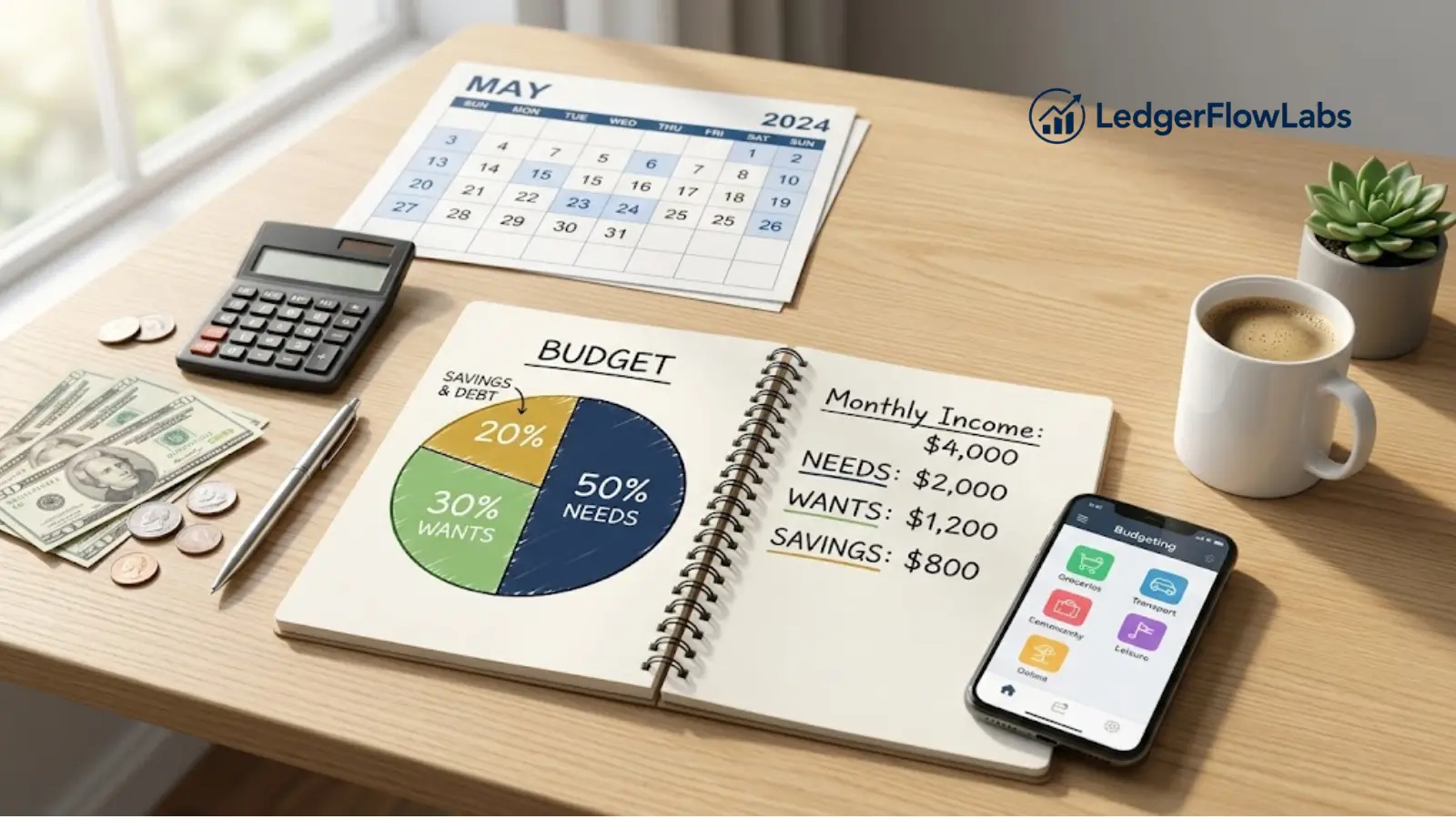
The 50/30/20 rule splits your take-home pay into 50% needs, 30% wants, and 20% savings. See a worked example, plus when it does not fit.

The 50/30/20 rule splits your take-home pay into 50% needs, 30% wants, and 20% savings. See a worked example, plus when it does not fit.
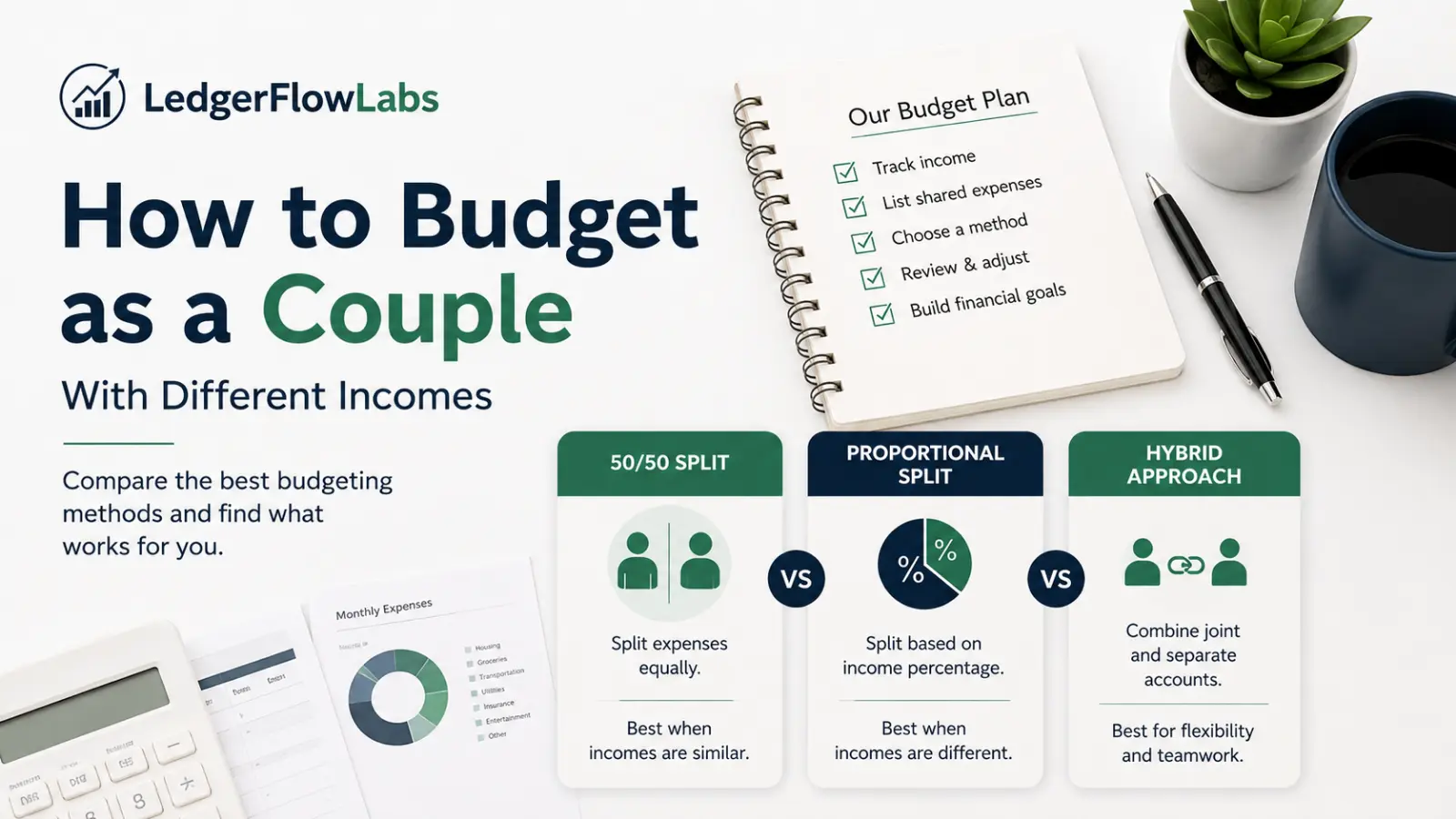
Splitting 50/50, by income, or through a joint account all work differently. See a worked example and why the needs-vs-wants talk matters more.

New to budgeting? Learn what a budget really is, the 3 things every budget needs, and how to choose the method that fits you. No jargon.

Pay yourself first is about order, not amount. Learn the rule, the typical percentage ranges cited by banks, and what to do if your number is small.
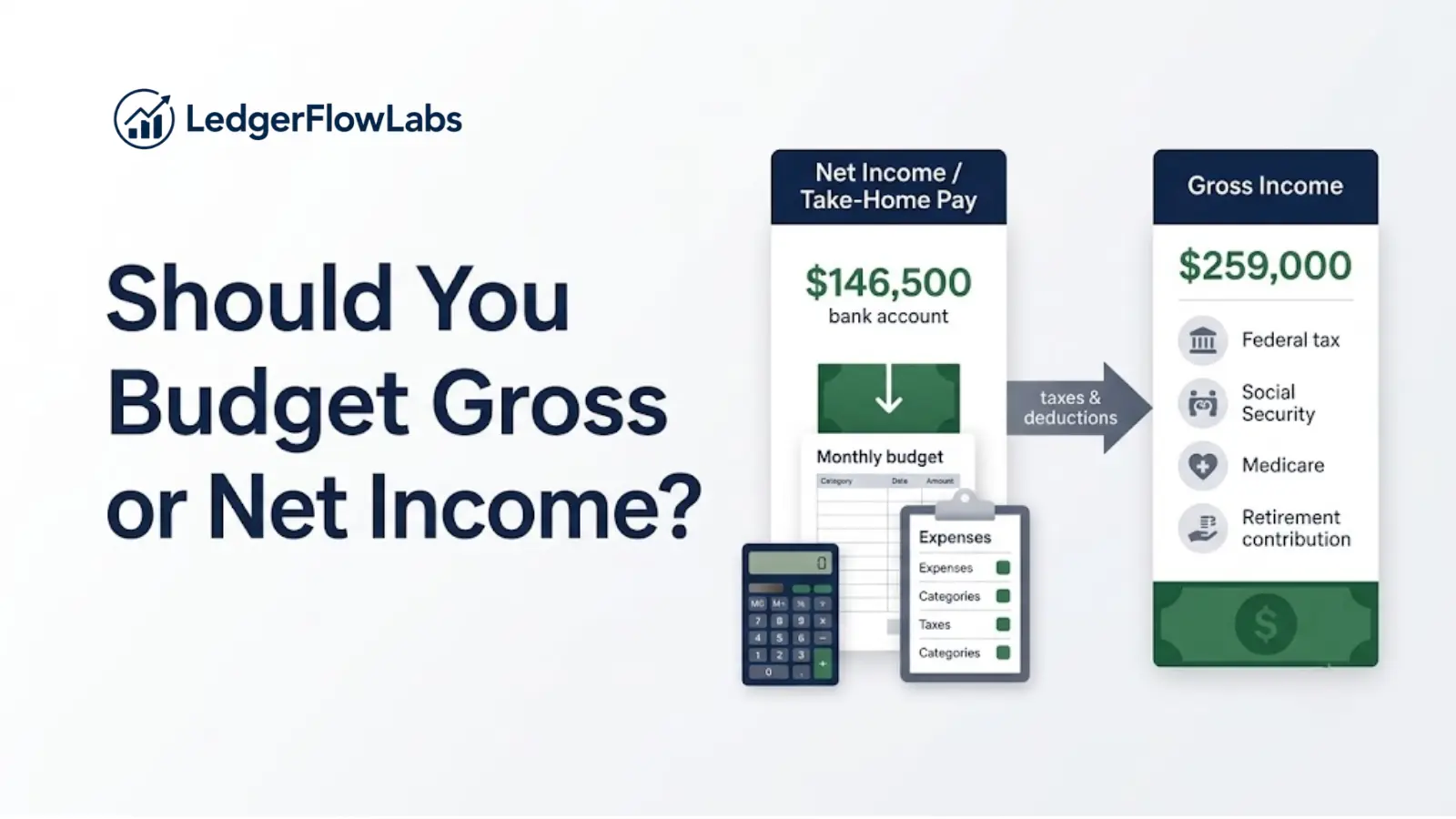
Budget from your net (take-home) pay, not your gross salary. Here is why, what net quietly includes, and what to do when it changes every check.

Struggling to tell needs from wants? Use two honest questions plus a worked look at the five categories where the line usually breaks down.
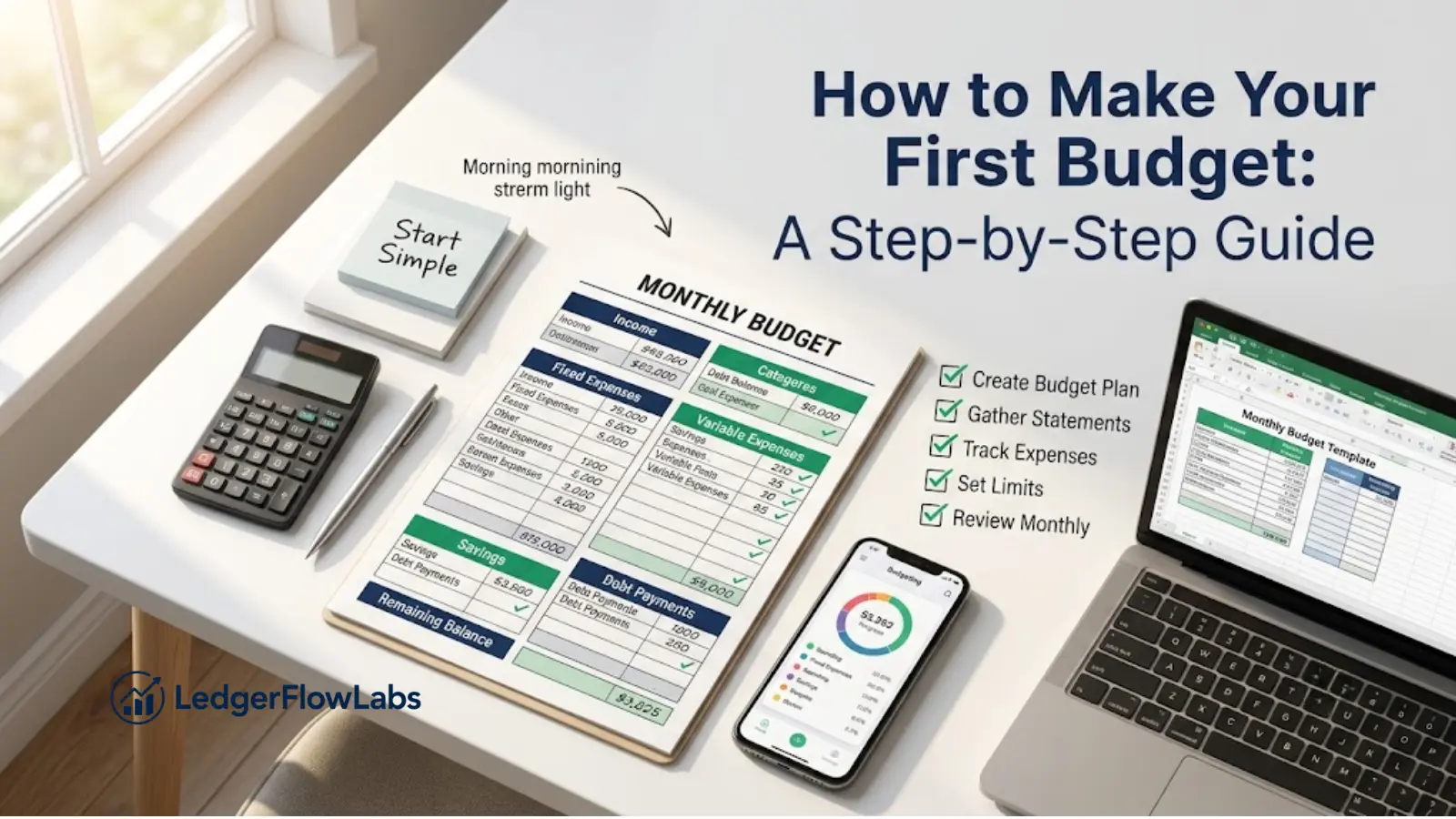
Make your first monthly budget in one sitting: add up take-home pay, average your expenses, set a goal, pick a method, and track it. Plain, step by step.
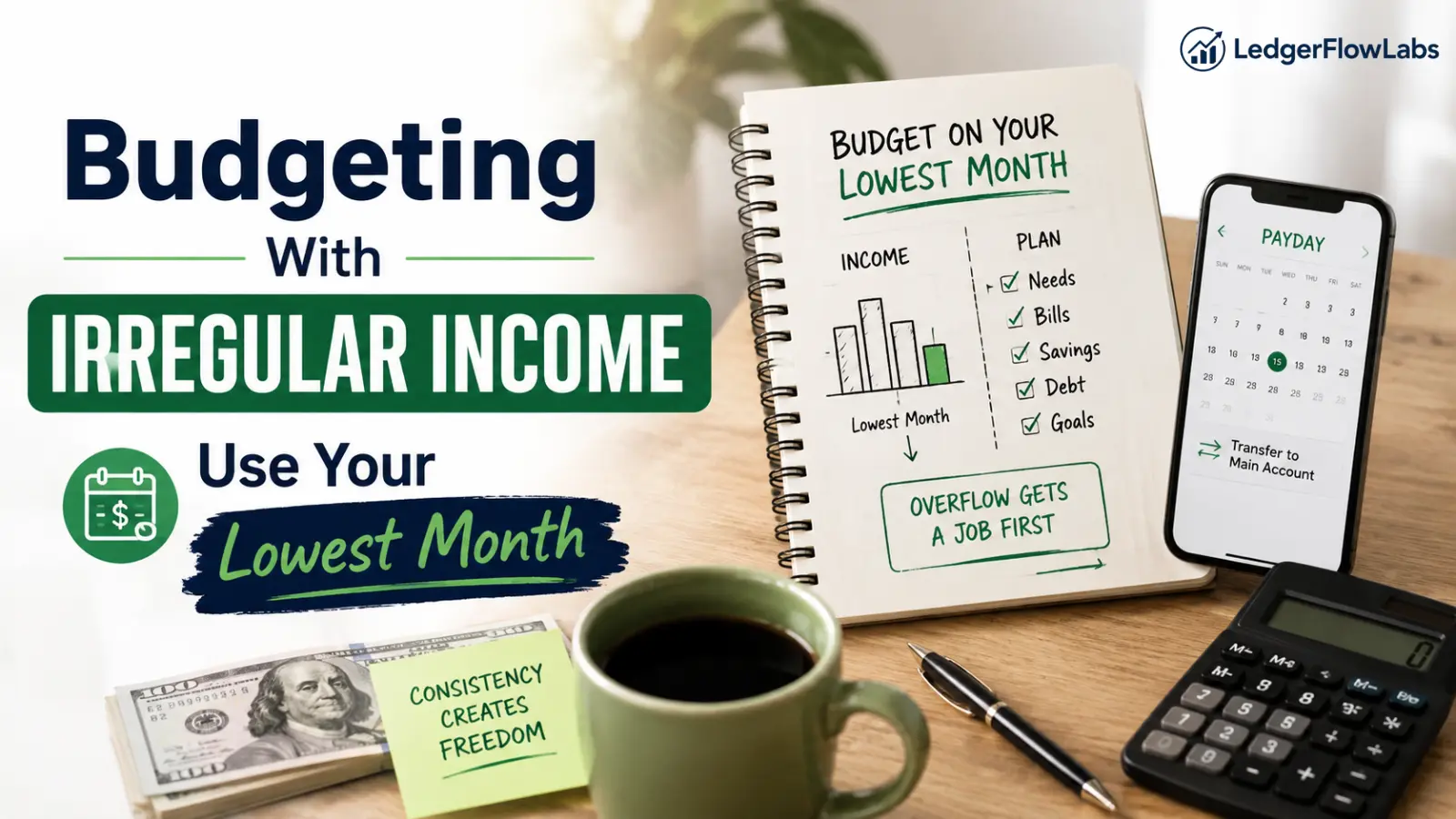
Which number do you plan on when every month is different? The lowest-month rule, what to do when it does not cover your bills, and how to pay yourself.
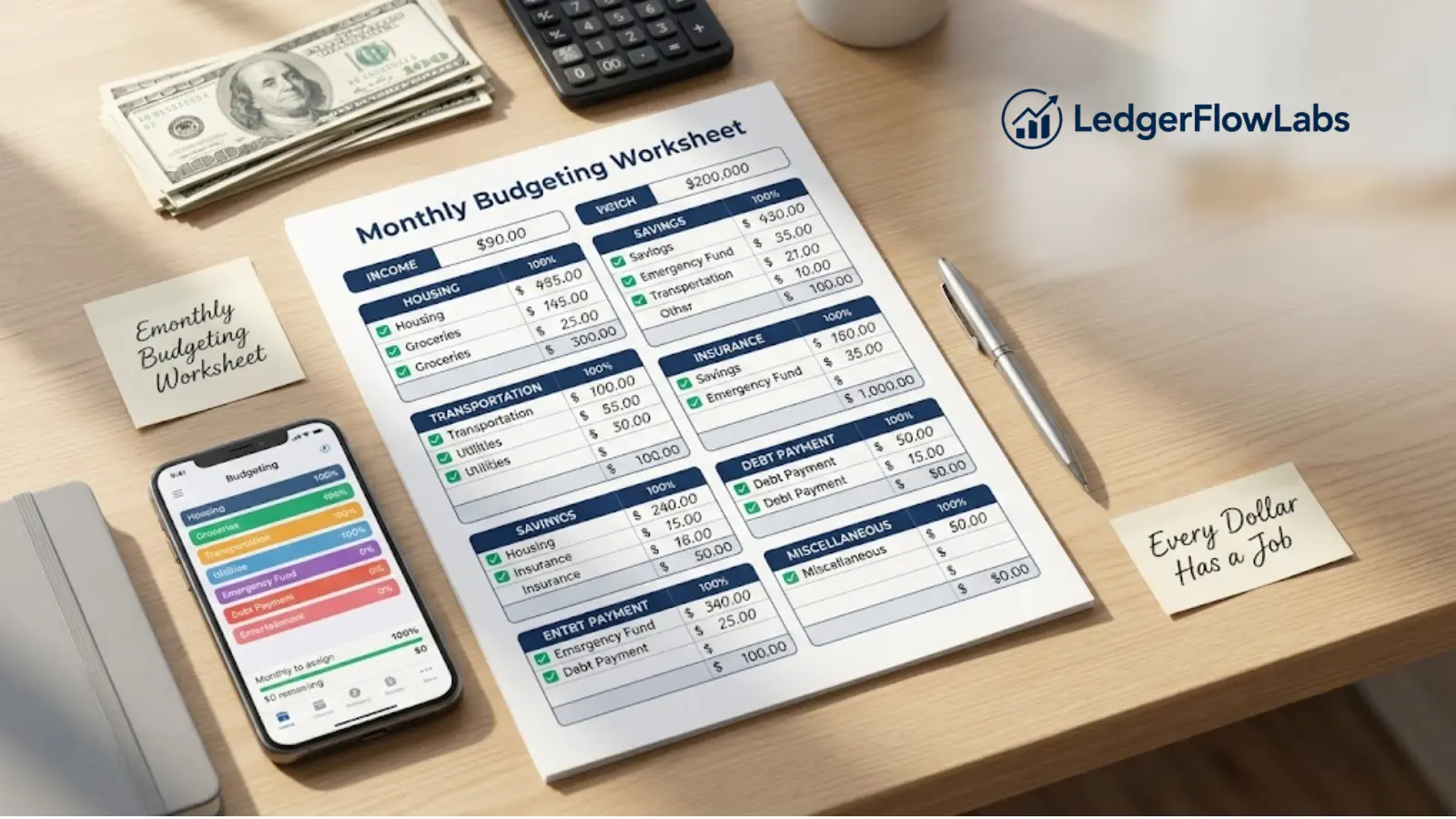
Zero-based budgeting gives every dollar a job before the month starts. How it works, handling irregular income, the honest effort curve, and when it fits.
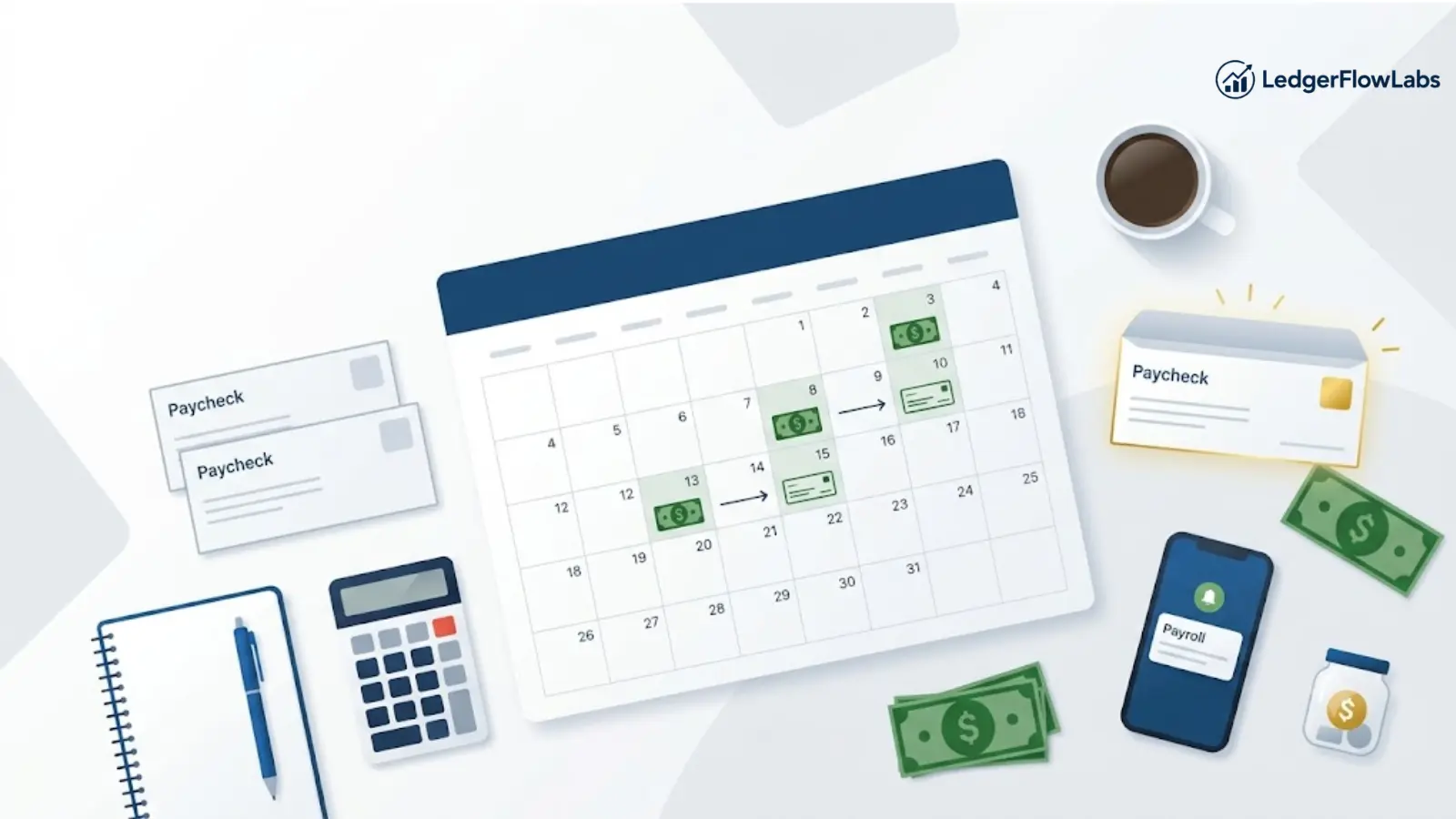
Three-paycheck months depend on your own pay dates, not a fixed calendar. Here is how to find yours and why the extra check is a correction, not a bonus.