The 50/30/20 Rule Explained (With a Real Example)
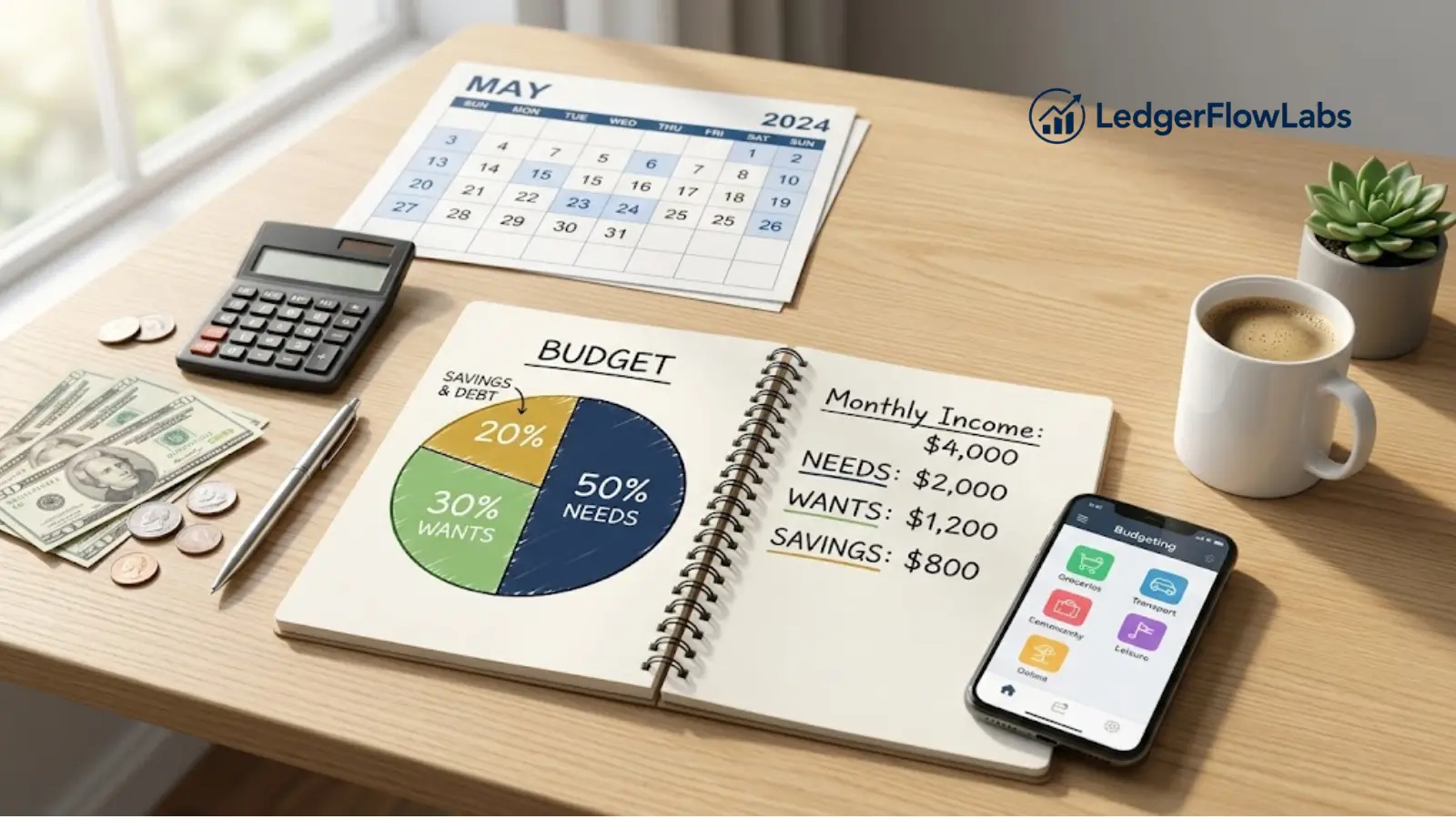
The 50/30/20 rule splits your take-home pay into 50% needs, 30% wants, and 20% savings. See a worked example, plus when it does not fit.

The 50/30/20 rule splits your take-home pay into 50% needs, 30% wants, and 20% savings. See a worked example, plus when it does not fit.
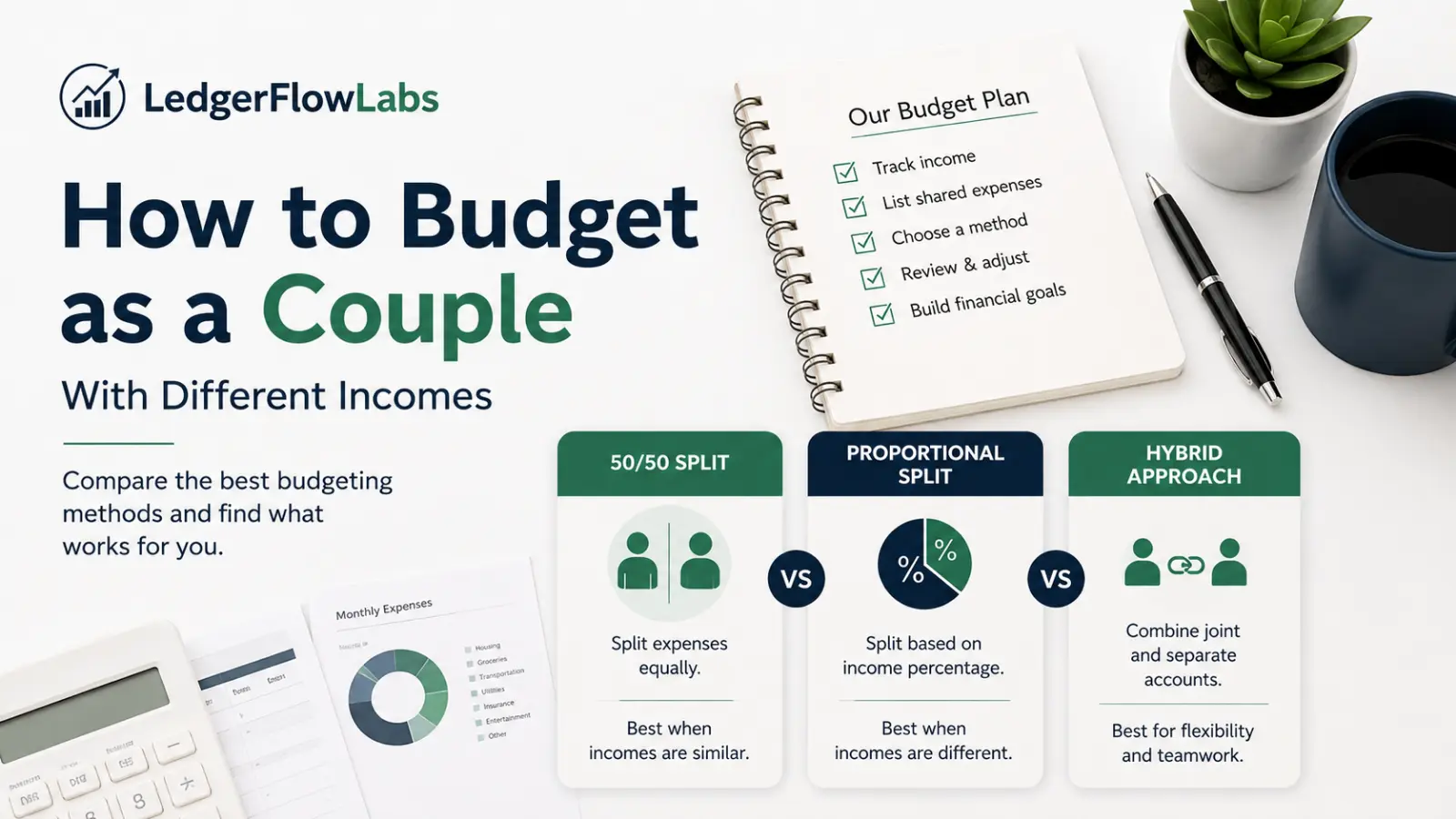
Splitting 50/50, by income, or through a joint account all work differently. See a worked example and why the needs-vs-wants talk matters more.

New to budgeting? Learn what a budget really is, the 3 things every budget needs, and how to choose the method that fits you. No jargon.
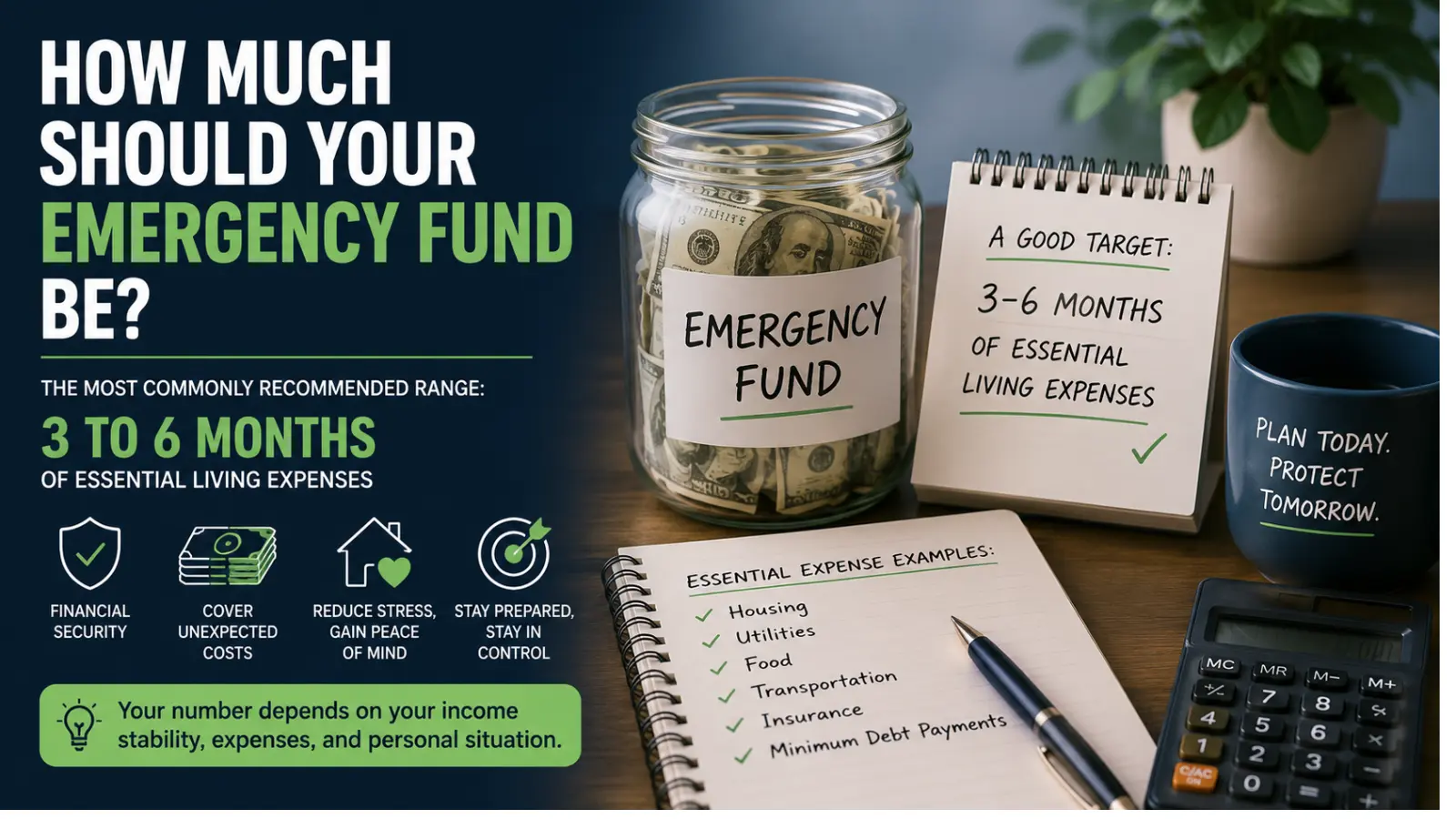
The commonly cited range is 3 to 6 months of expenses. Here is who says so, why the range is wide, and three questions to place yourself in it.
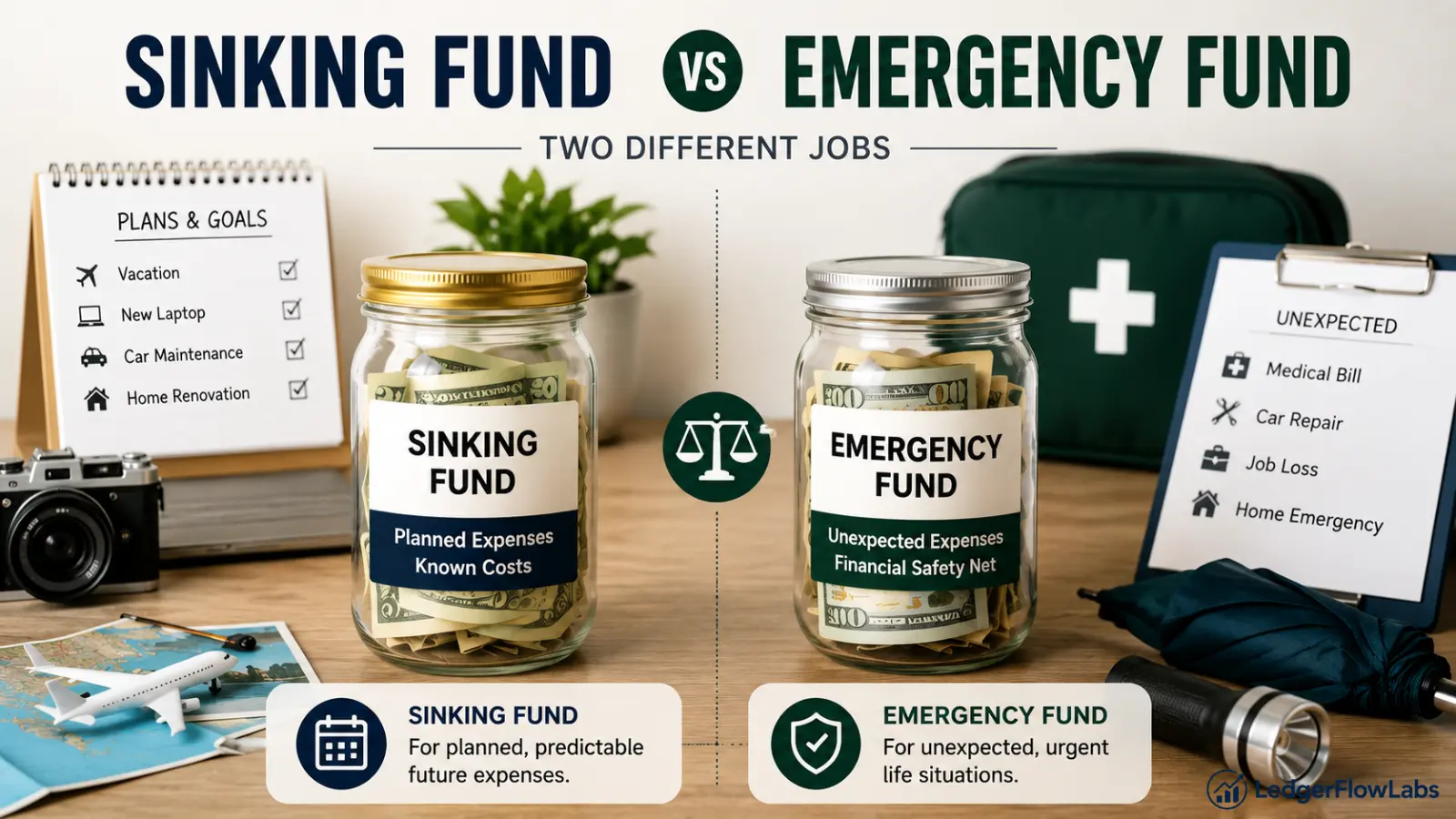
A sinking fund is for the expense you can see coming. An emergency fund is for the one you cannot. Here is how to tell them apart and use both.
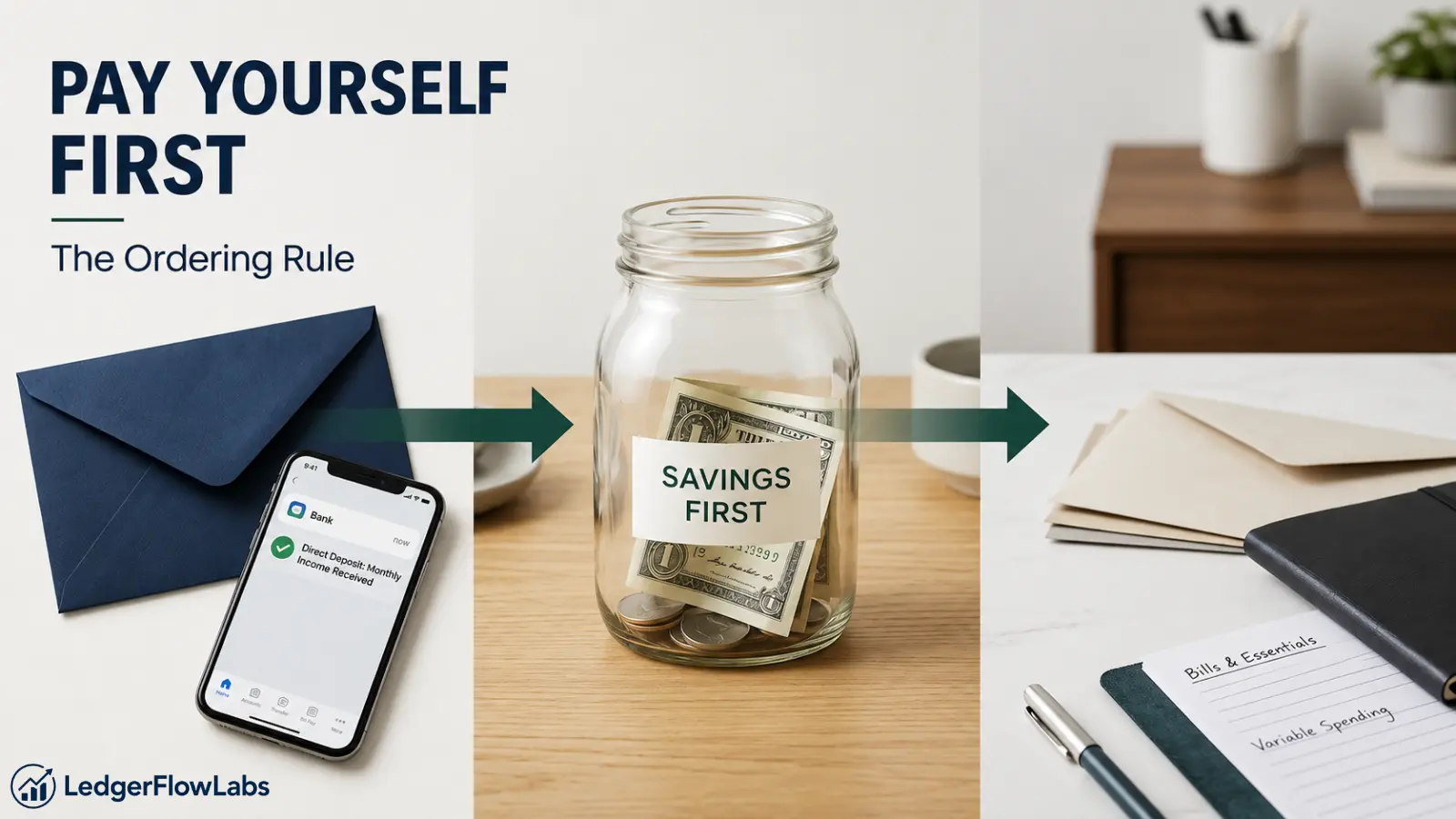
Pay yourself first is about order, not amount. Learn the rule, the typical percentage ranges cited by banks, and what to do if your number is small.
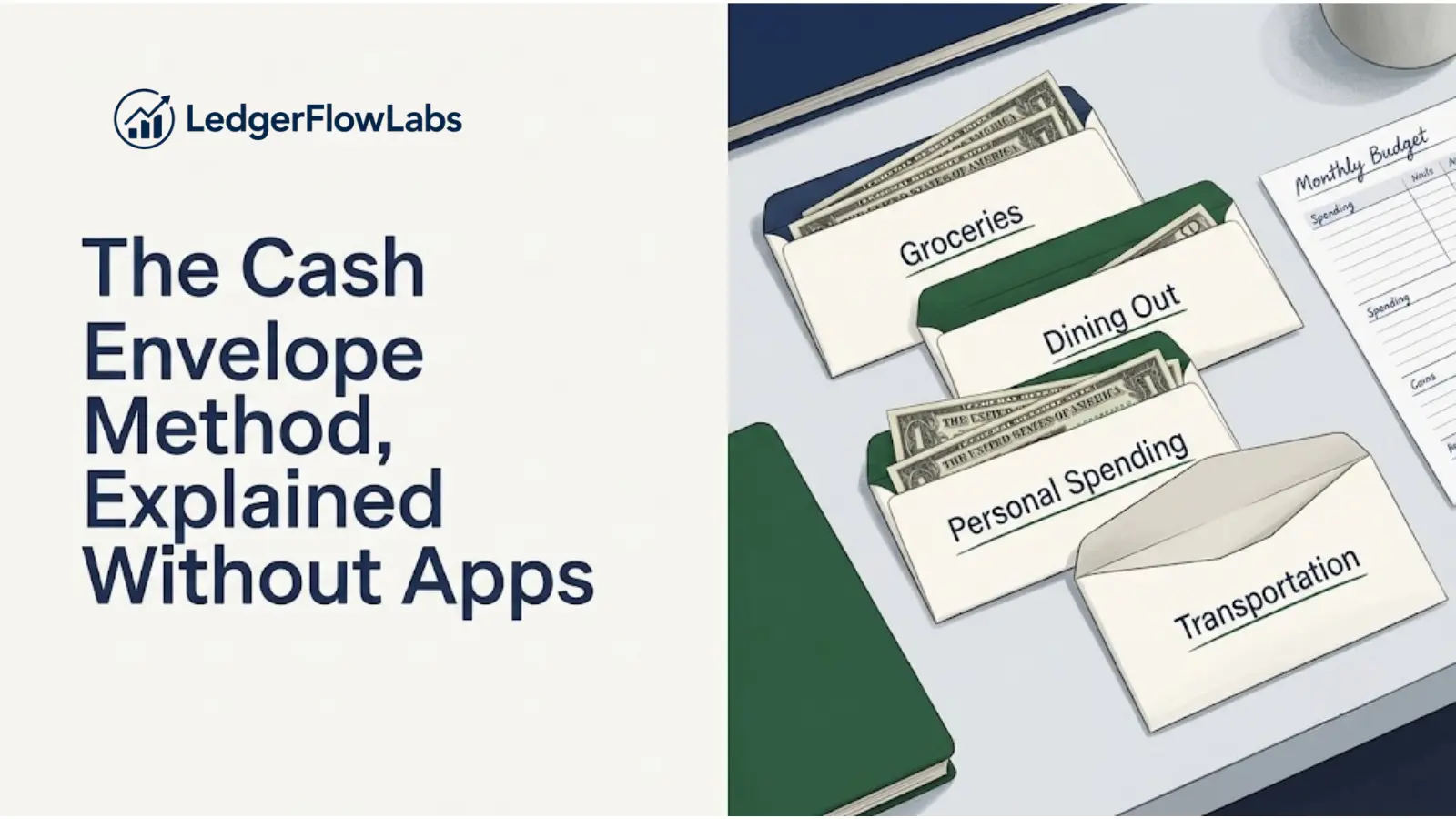
How the cash envelope budgeting method actually works, which categories belong in it, and a tool-free way to get the same discipline without cash.
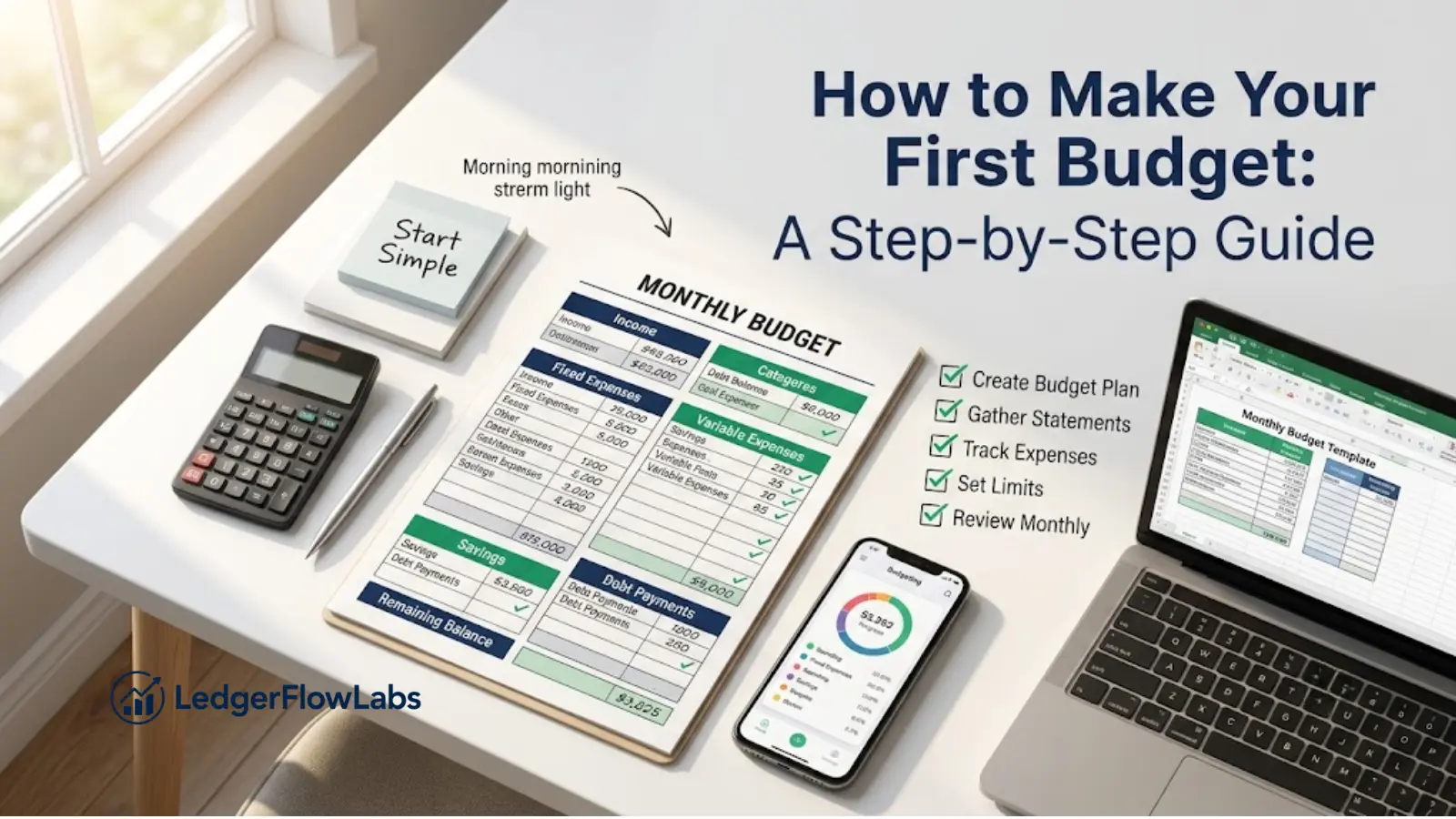
Make your first monthly budget in one sitting: add up take-home pay, average your expenses, set a goal, pick a method, and track it. Plain, step by step.
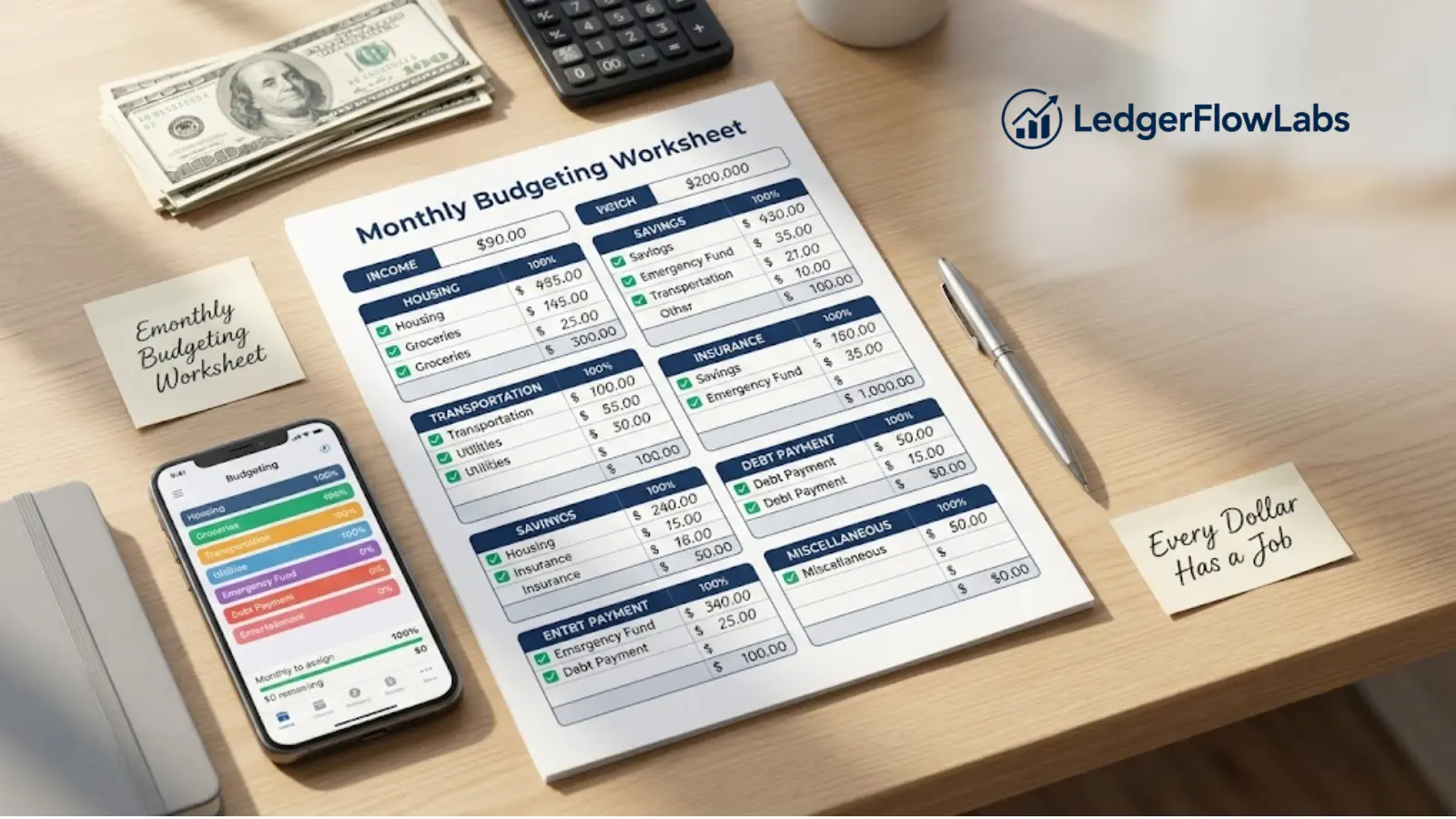
Zero-based budgeting gives every dollar a job before the month starts. How it works, handling irregular income, the honest effort curve, and when it fits.