Pre-Tax vs Post-Tax Deductions on Your Pay Stub
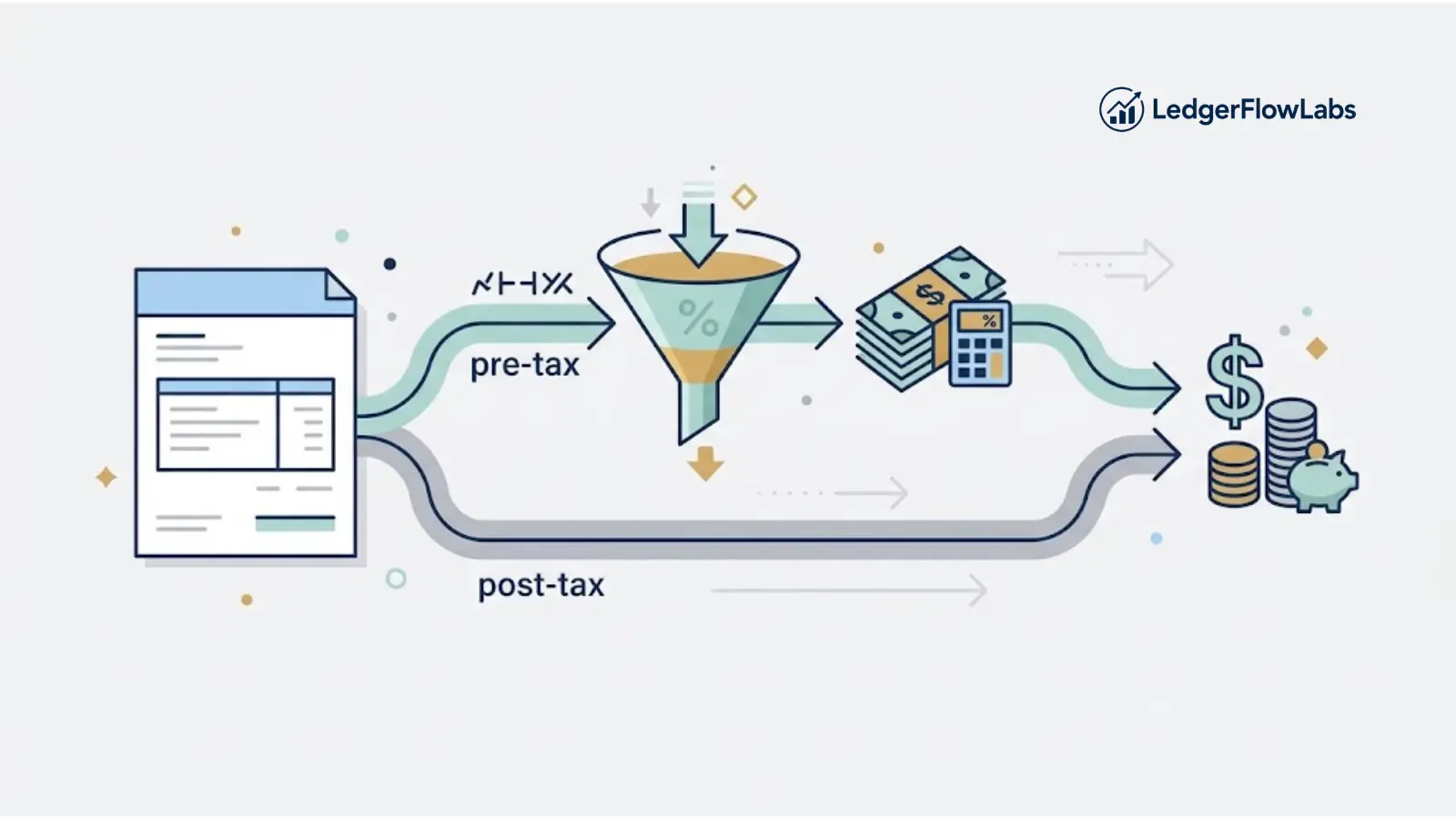
Two deductions of the same size can change your take-home pay by different amounts. Here is what the order does, and which taxes each bucket skips.

 Asfat
Asfat
Two deductions of the same size can change your take-home pay by different amounts. Here is what the order does, and which taxes each bucket skips.
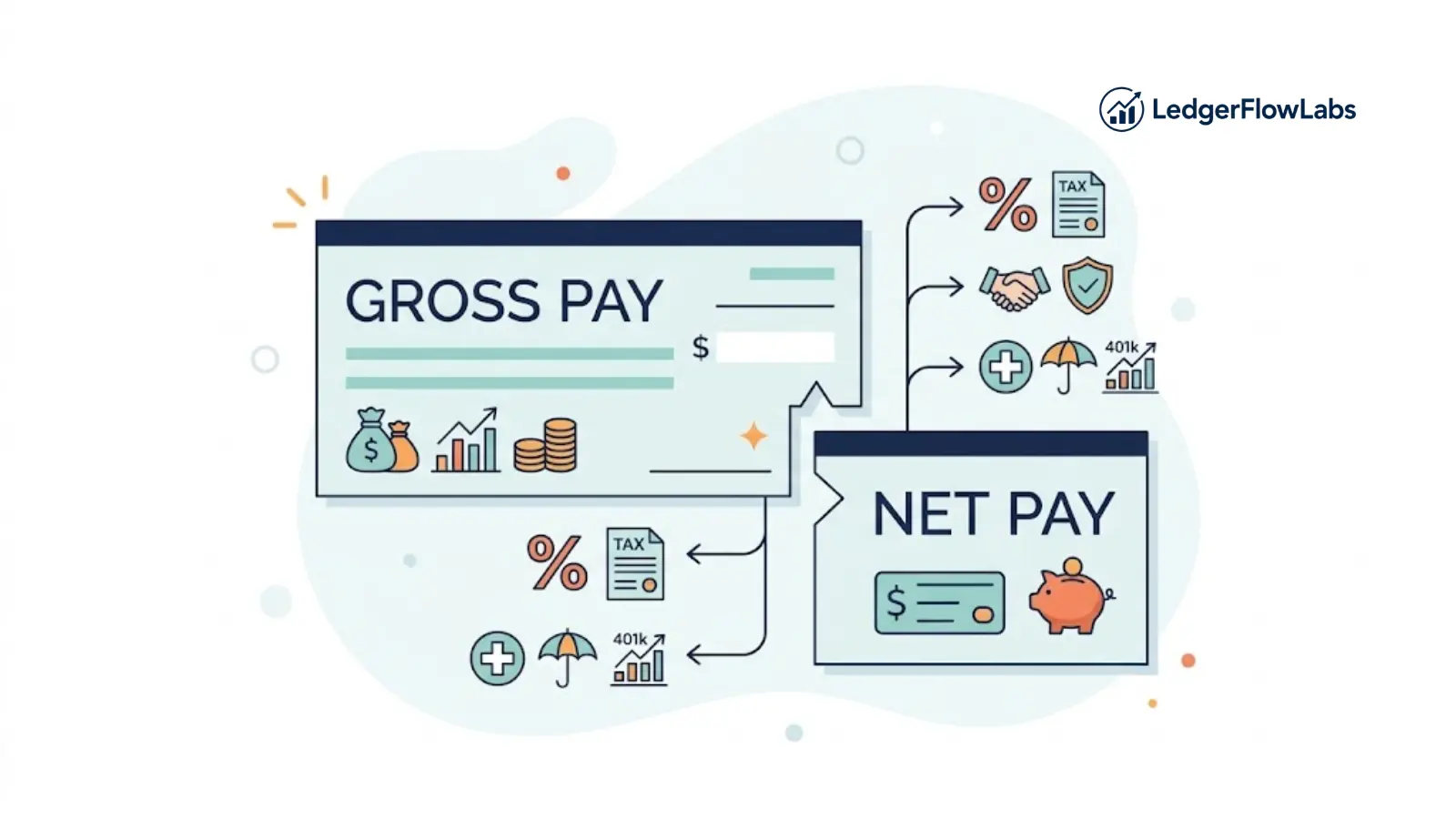
Take-home pay is smaller than your salary for four or five specific reasons. Here is each destination, and which of that money is still yours.

A plain guide to every block on a US pay stub, the two columns most people ignore, and a ninety-second check that says whether it adds up.
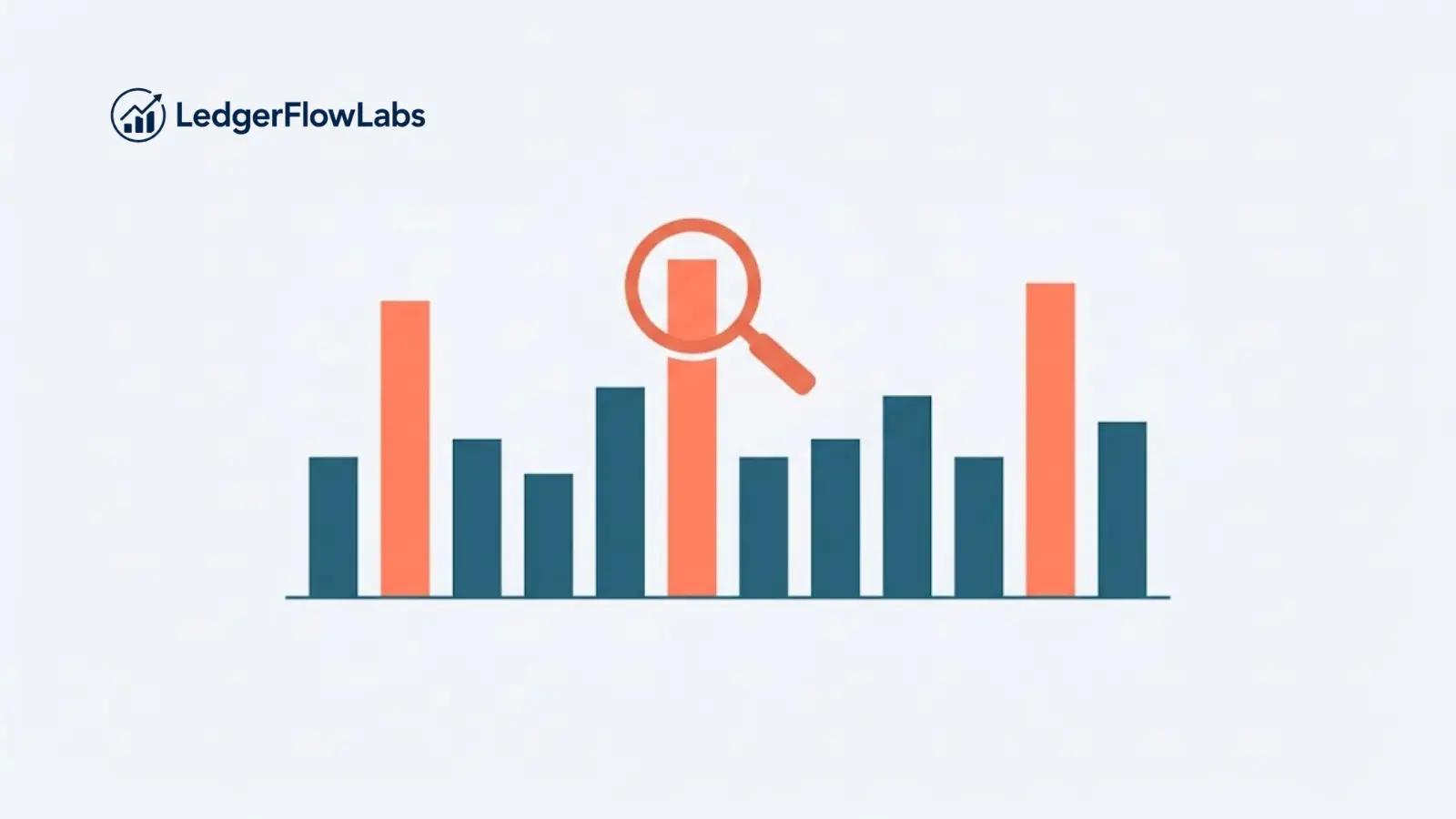
Seasonal spikes are not bills. Here is how to find your own spike months in twelve months of records, and fund them before they arrive.
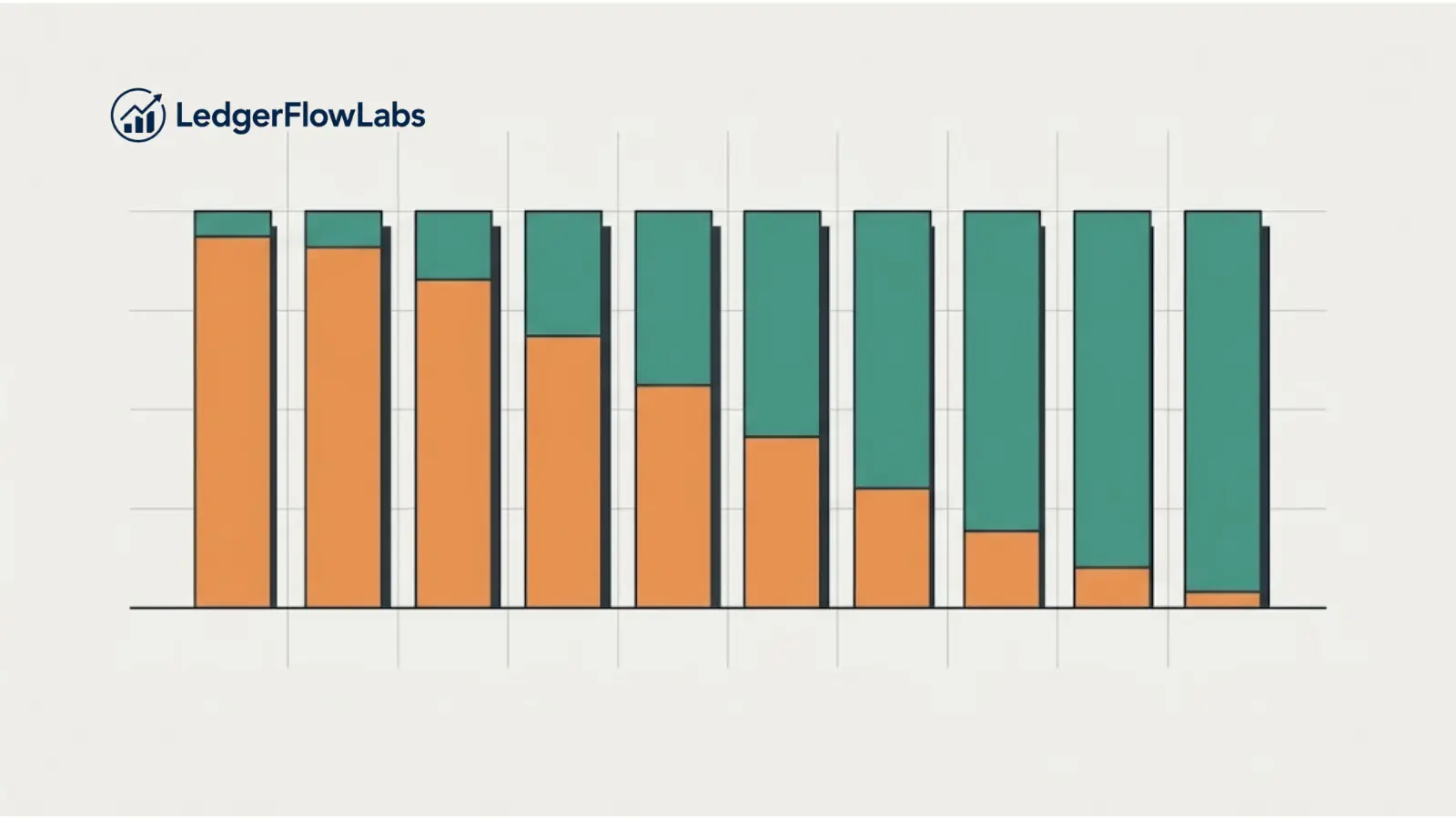
Nothing is front-loaded on purpose. Interest is charged on the balance, the balance starts large, and a level payment does the rest. Here is the sum, month by month.
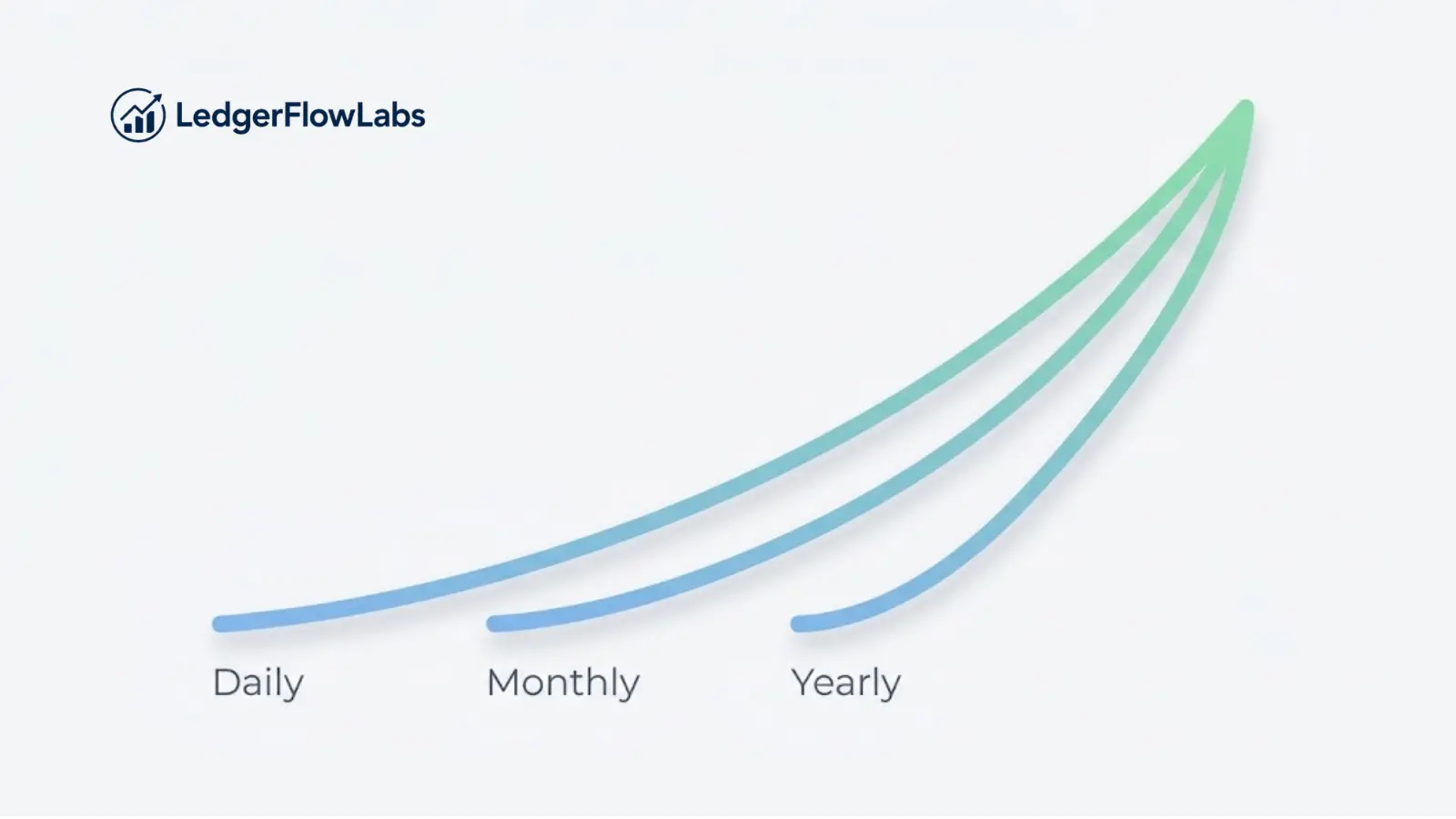
Same rate, three frequencies, three answers. The arithmetic, why the gap is smaller than people expect, and the one disclosed figure that has already done the sum for you.
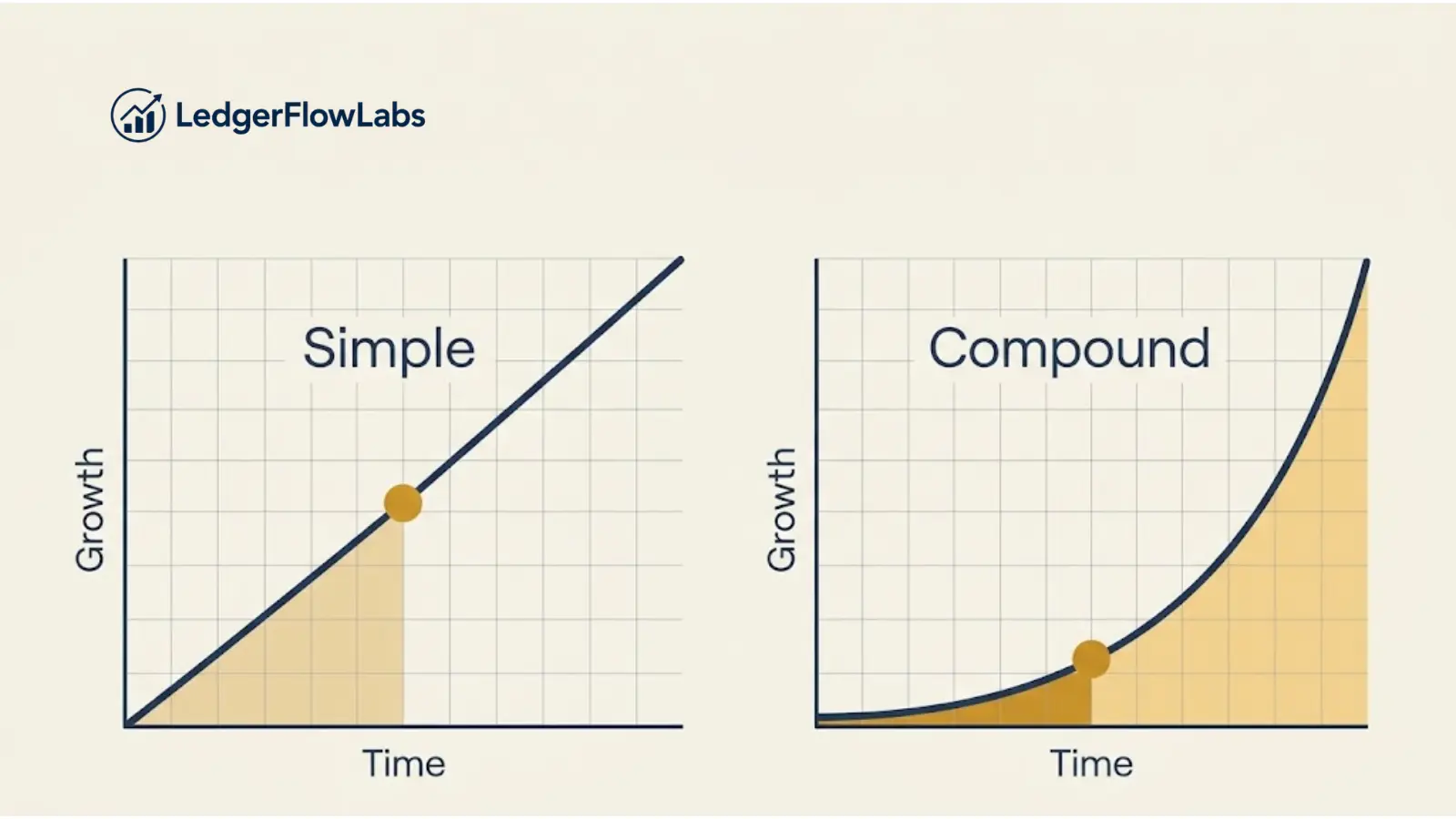
One formula multiplies and the other stacks. Here is the sum side by side, and the regulation that decides which of the two words is on any figure you are shown.
The grace period disclosure in Regulation Z is written about purchases. A cash advance is a separate balance with its own rate and its own fee, and the rules say where to find both.
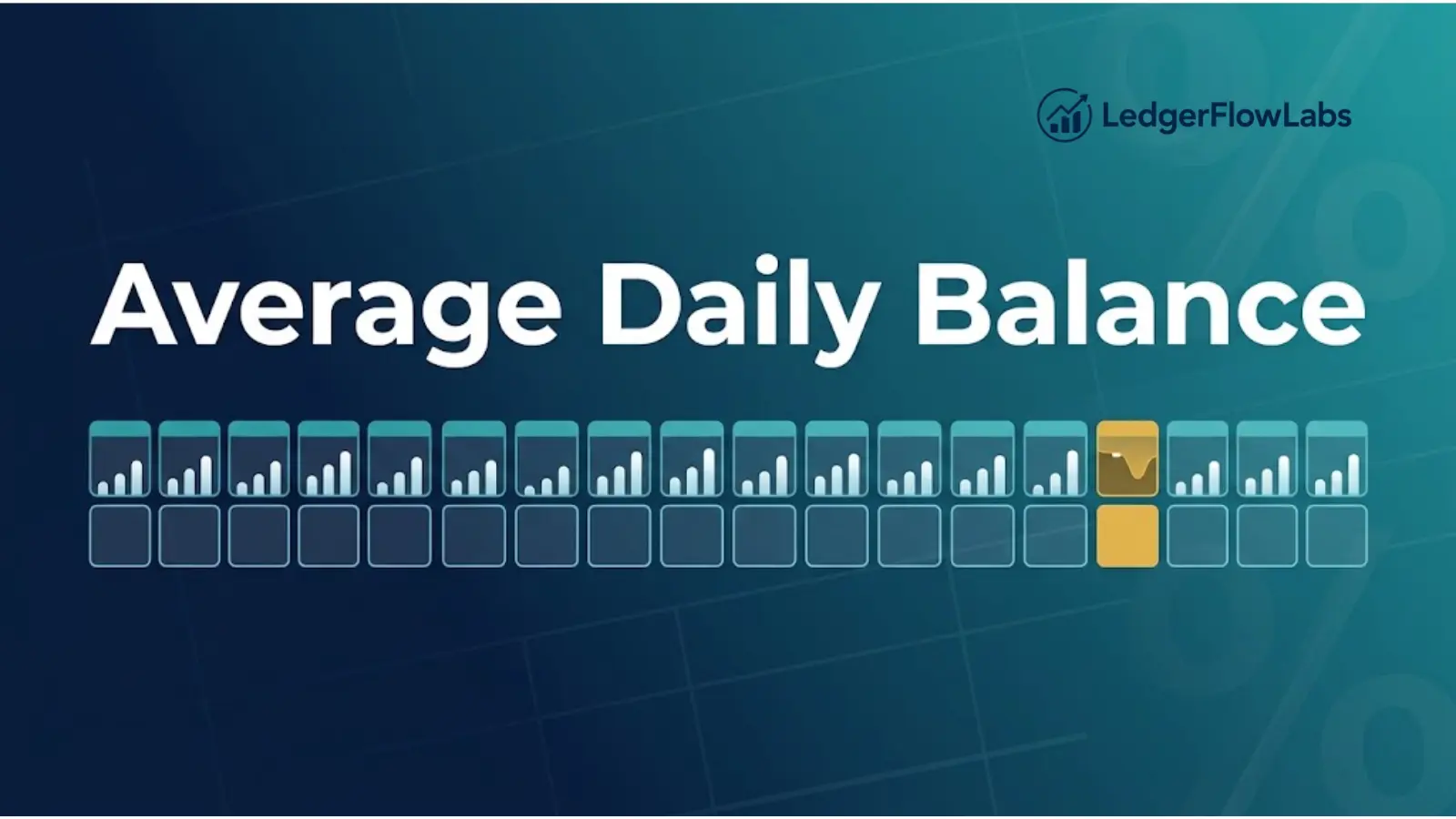
You paid it down mid-month and the charge barely moved. Here is the arithmetic that explains why, and the two rules that require your issuer to tell you which method it uses.
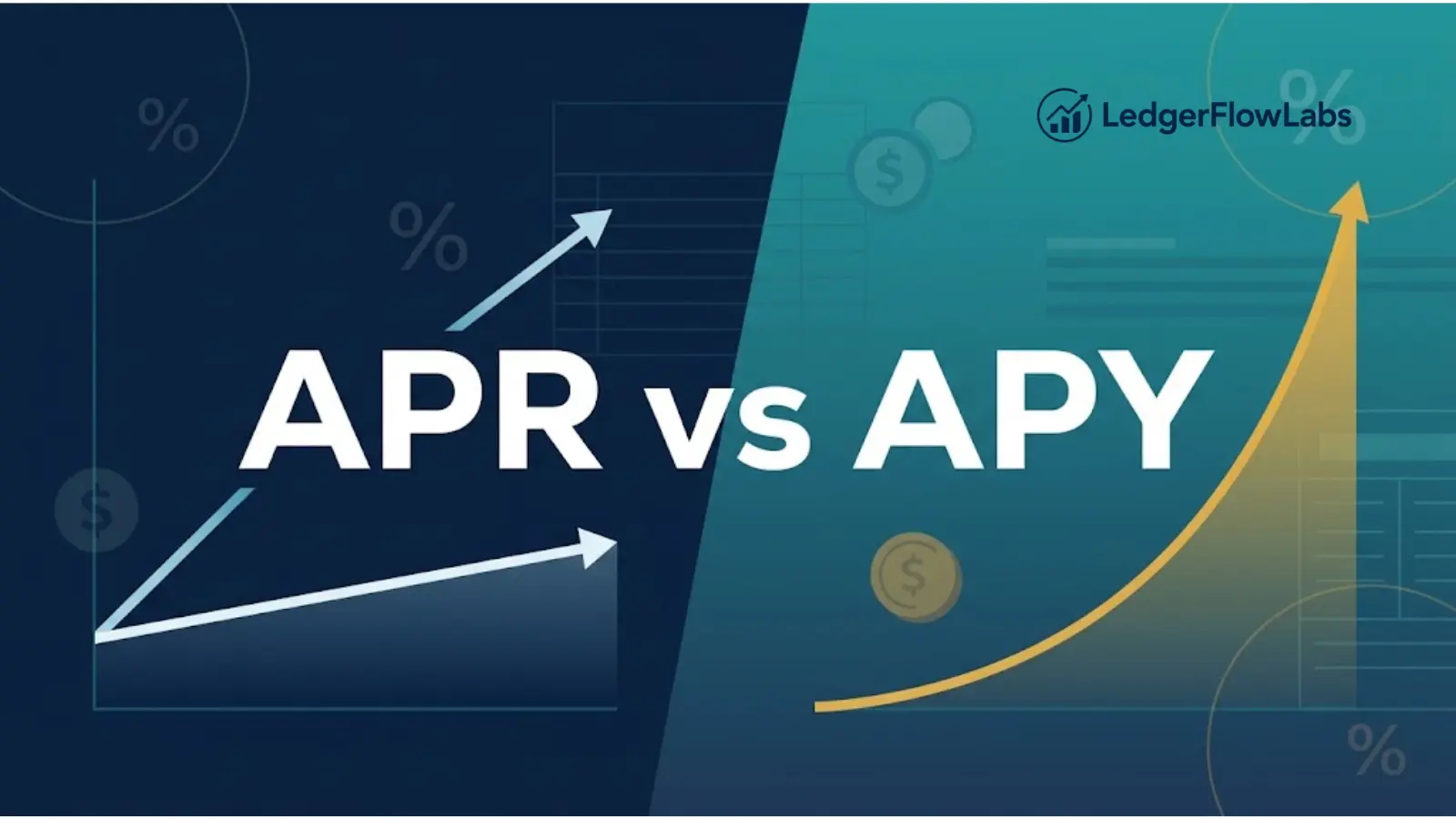
Two nearly identical words defined in two different regulations. One ignores compounding by design and the other exists to include it. The definitions settle it.