Expense Reimbursement on a Paycheck: Is It Income?
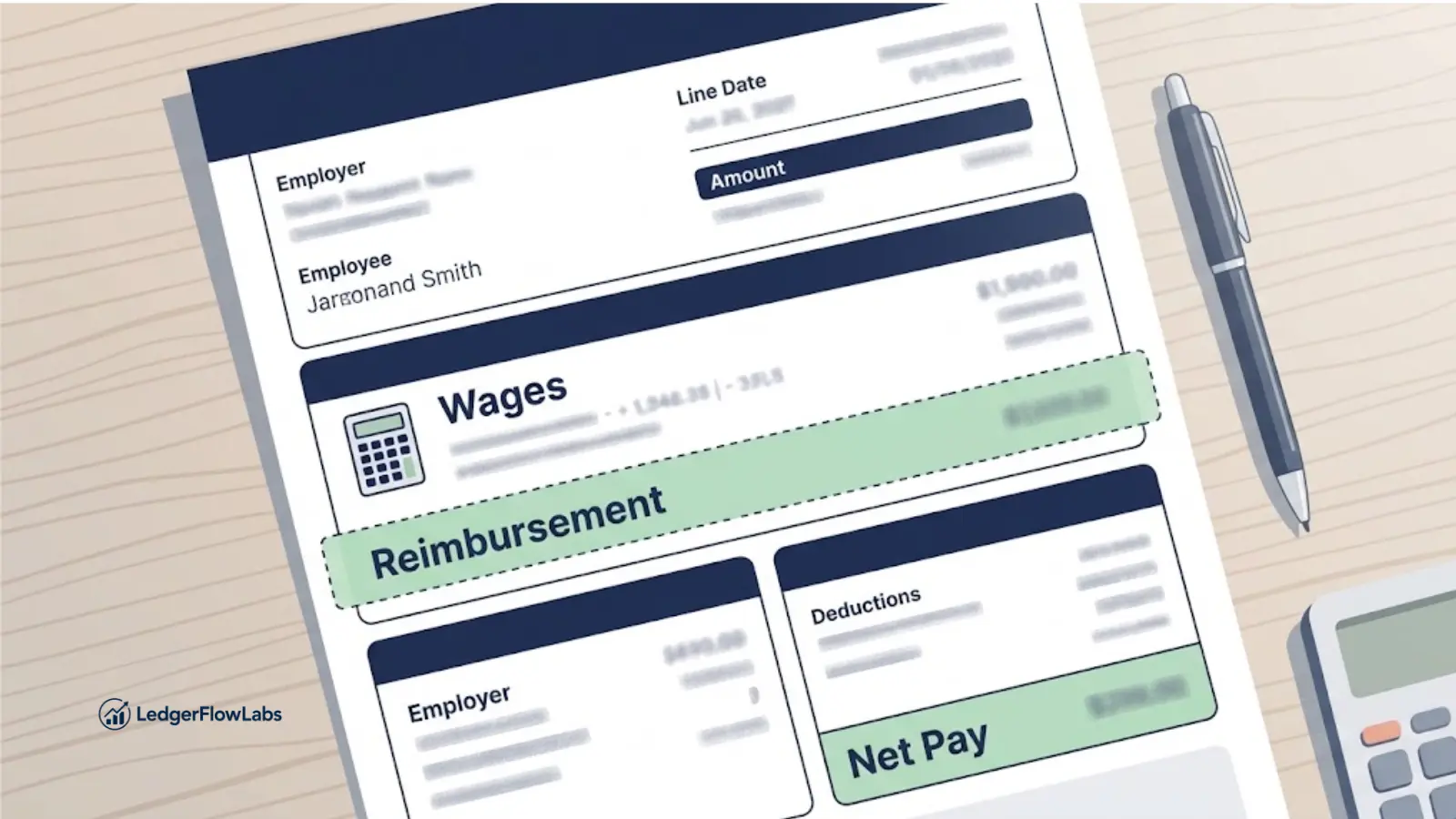
A reimbursement on your paycheck is usually money back, not pay. Here is how it appears on the stub and when the IRS treats it as taxable wages.

A reimbursement on your paycheck is usually money back, not pay. Here is how it appears on the stub and when the IRS treats it as taxable wages.
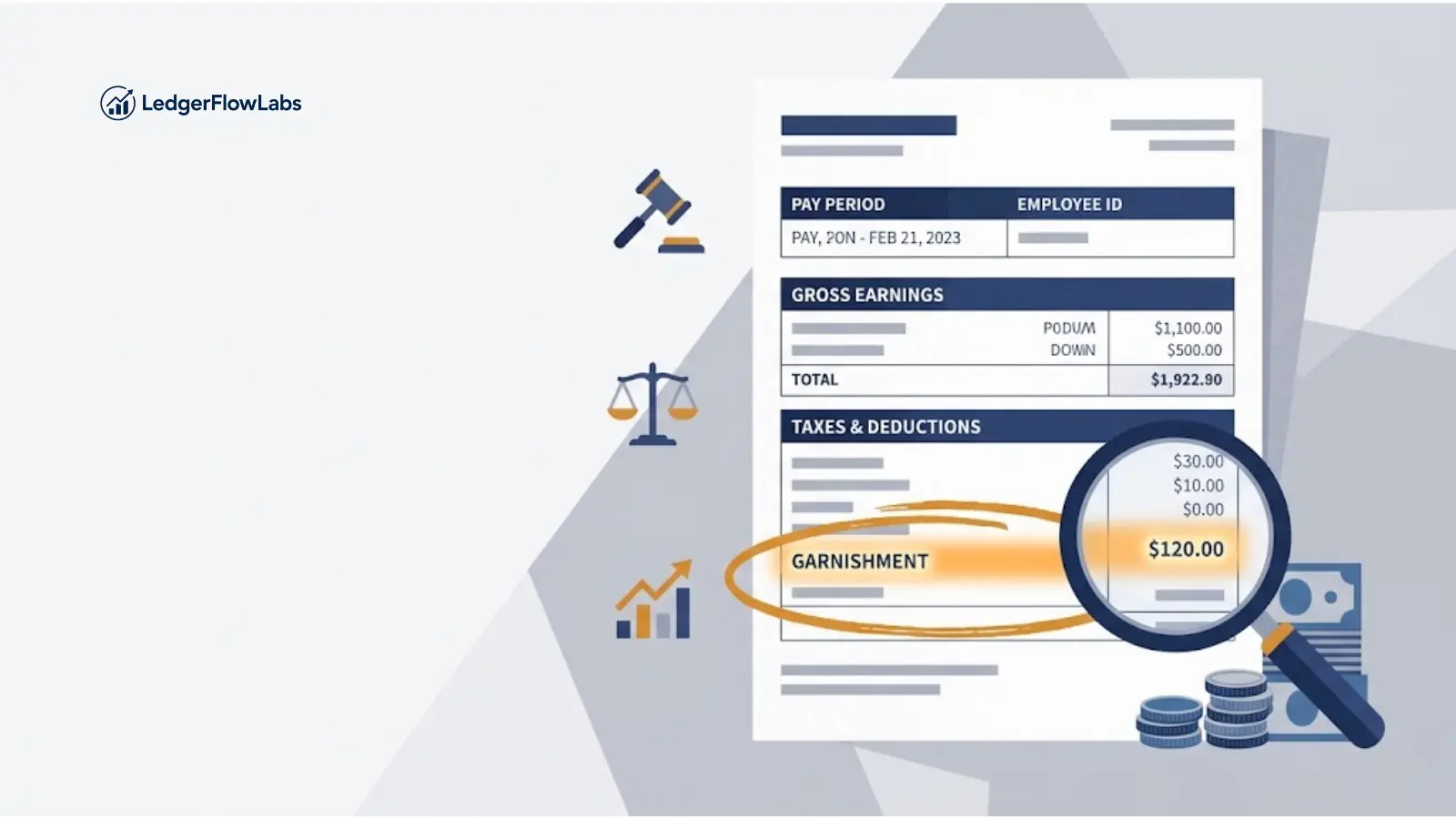
A garnishment line on your stub is money withheld under a legal order. Here is how to read it, the federal limits, and where to find free help.
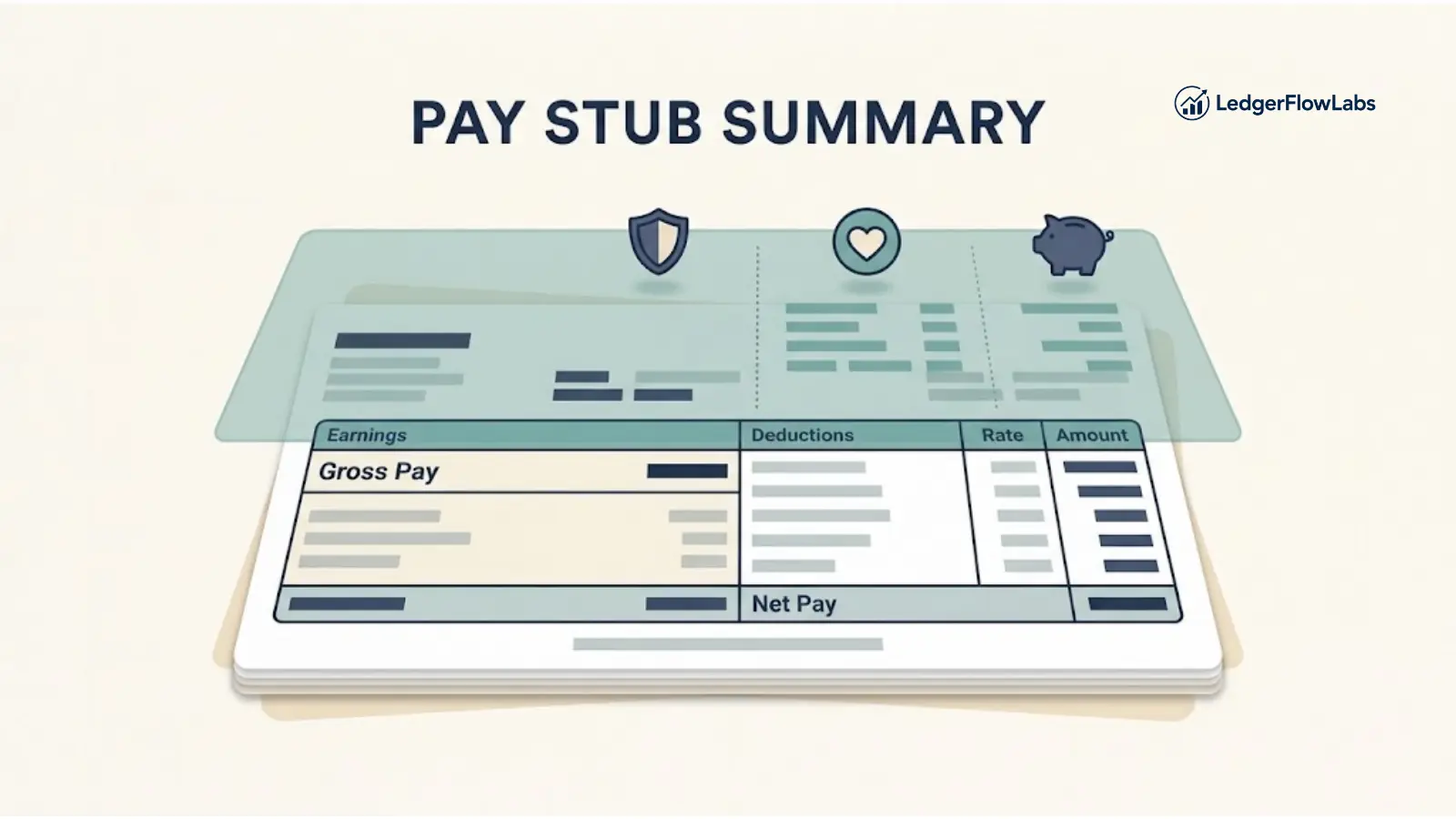
Some stubs show what your employer pays for you, and some leave it off. Here is what those lines mean and why they never reduce your take-home pay.
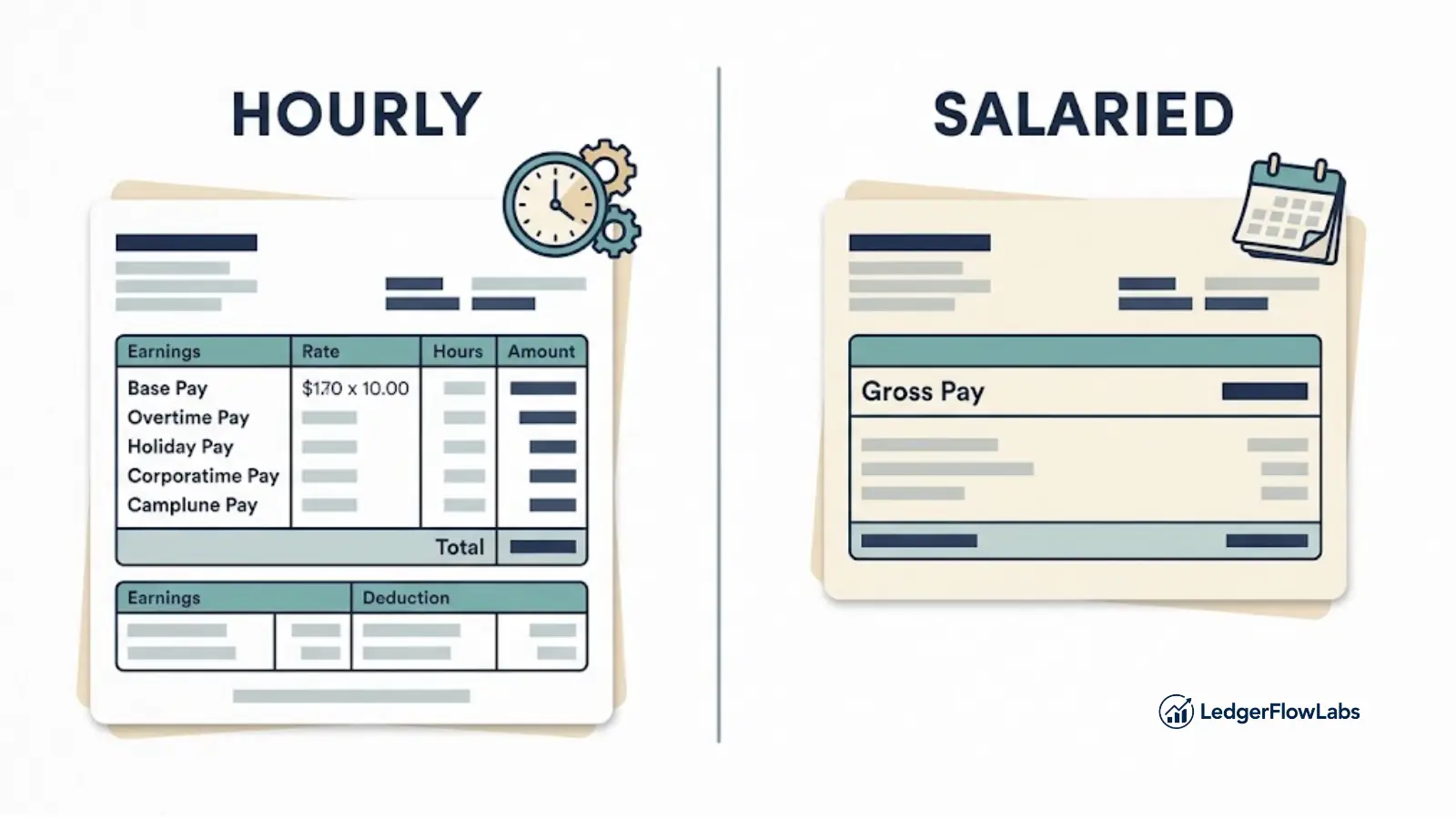
Moved from hourly to salary and the stub looks different? Here is what changed, what did not, and why salaried does not always mean no overtime.

Overtime can appear as its own line or as a separate premium. Here is how to read the hours, the rate and the workweek behind them.
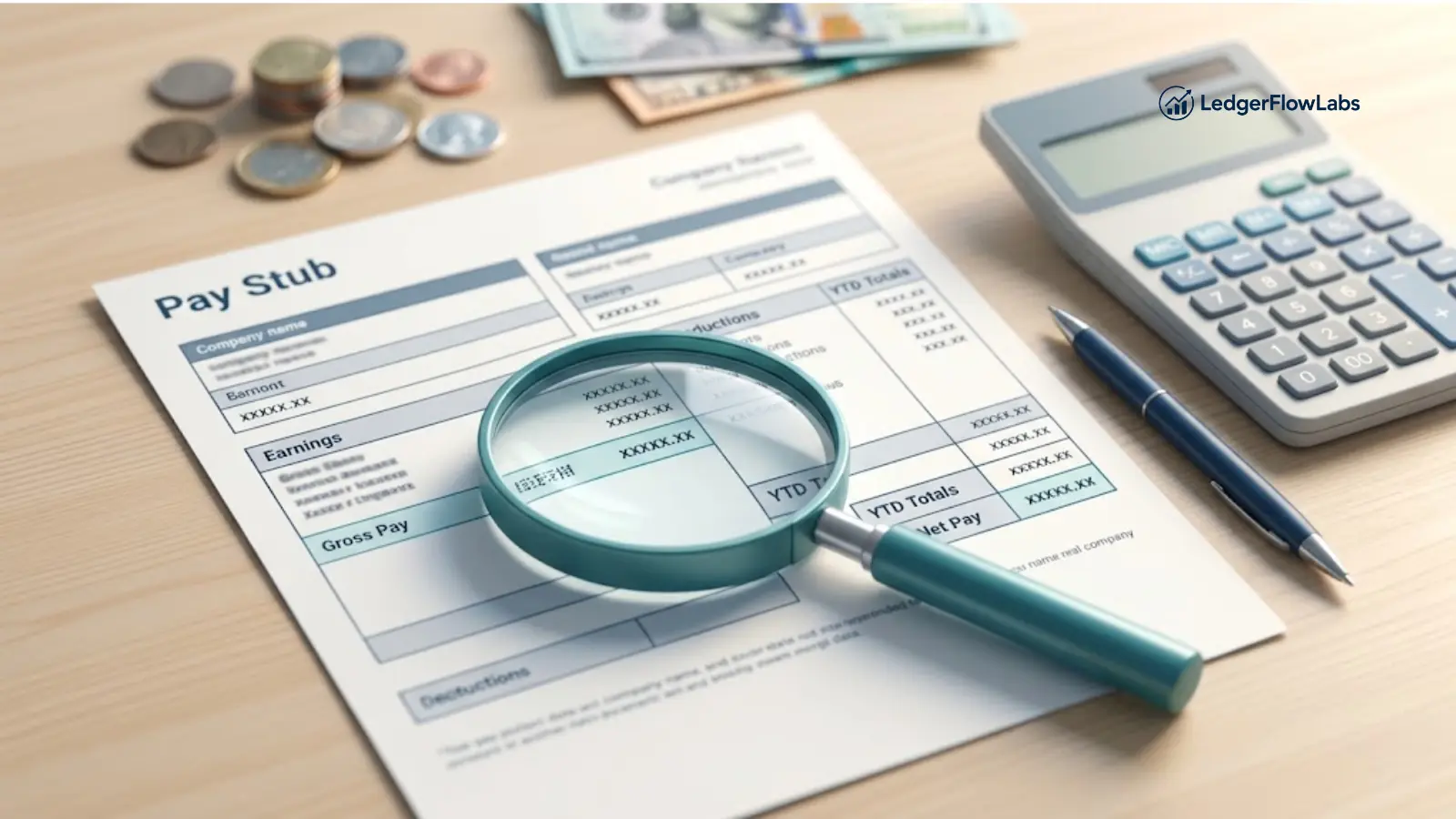
Payroll can get a stub wrong. Here are the lines worth checking, the errors that hide for months, and the records that settle a disagreement.
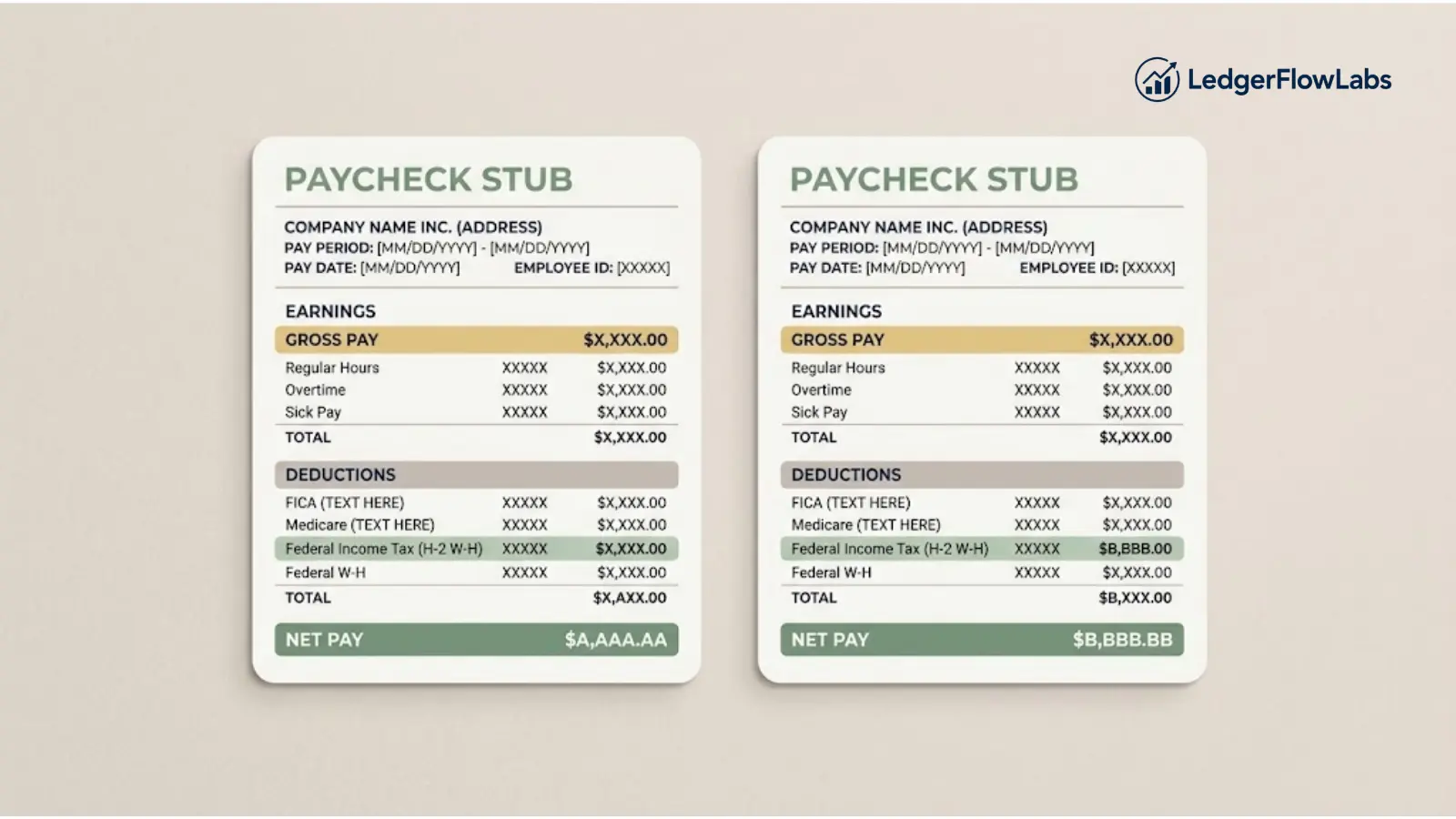
Two people on the same salary rarely take home the same amount. Here is what withholding is approximating, and the variables that move it.

YTD is the running total since January 1, and it is the draft of your W-2. Here are four checks it makes possible that a single check cannot.
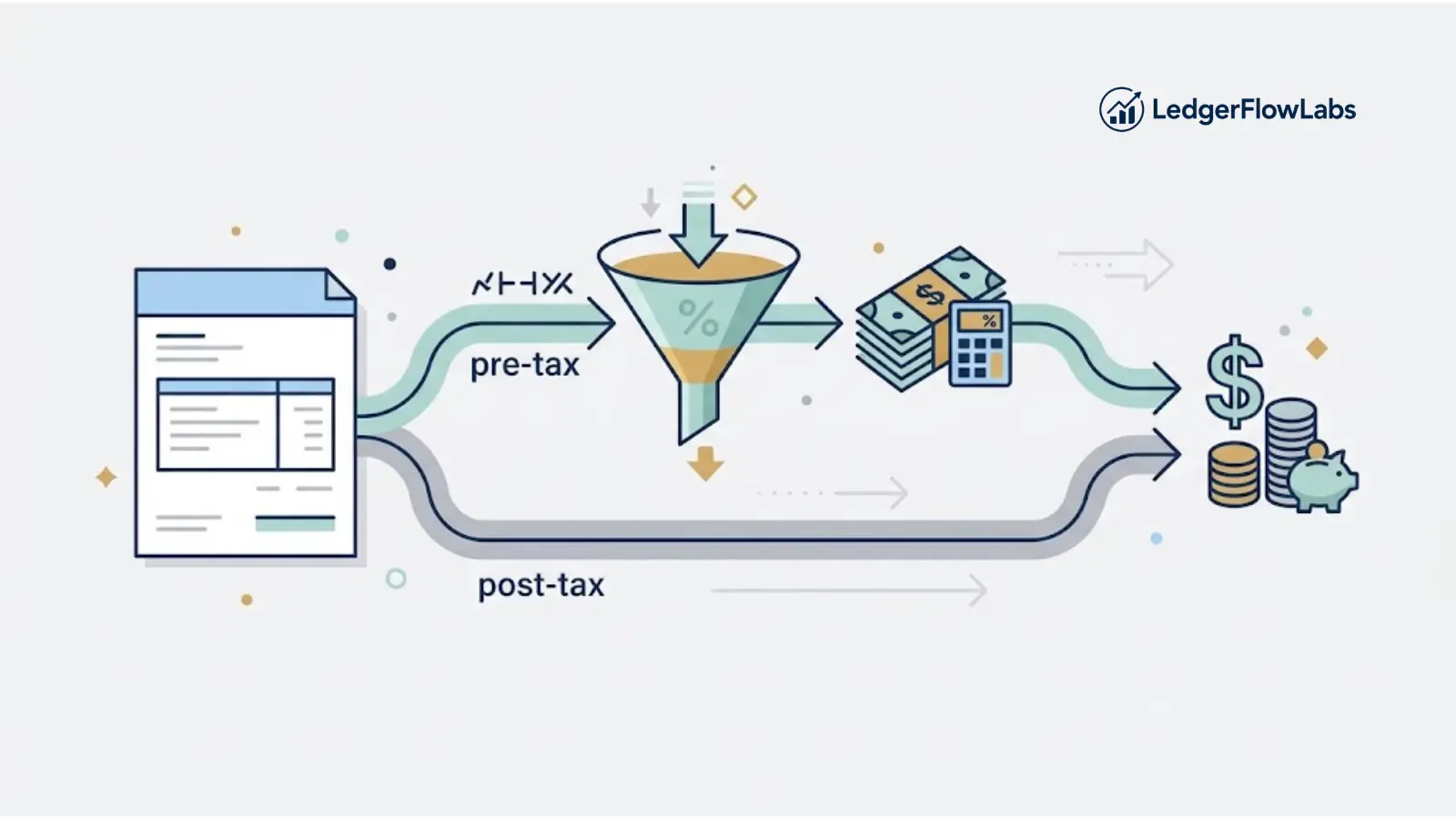
Two deductions of the same size can change your take-home pay by different amounts. Here is what the order does, and which taxes each bucket skips.
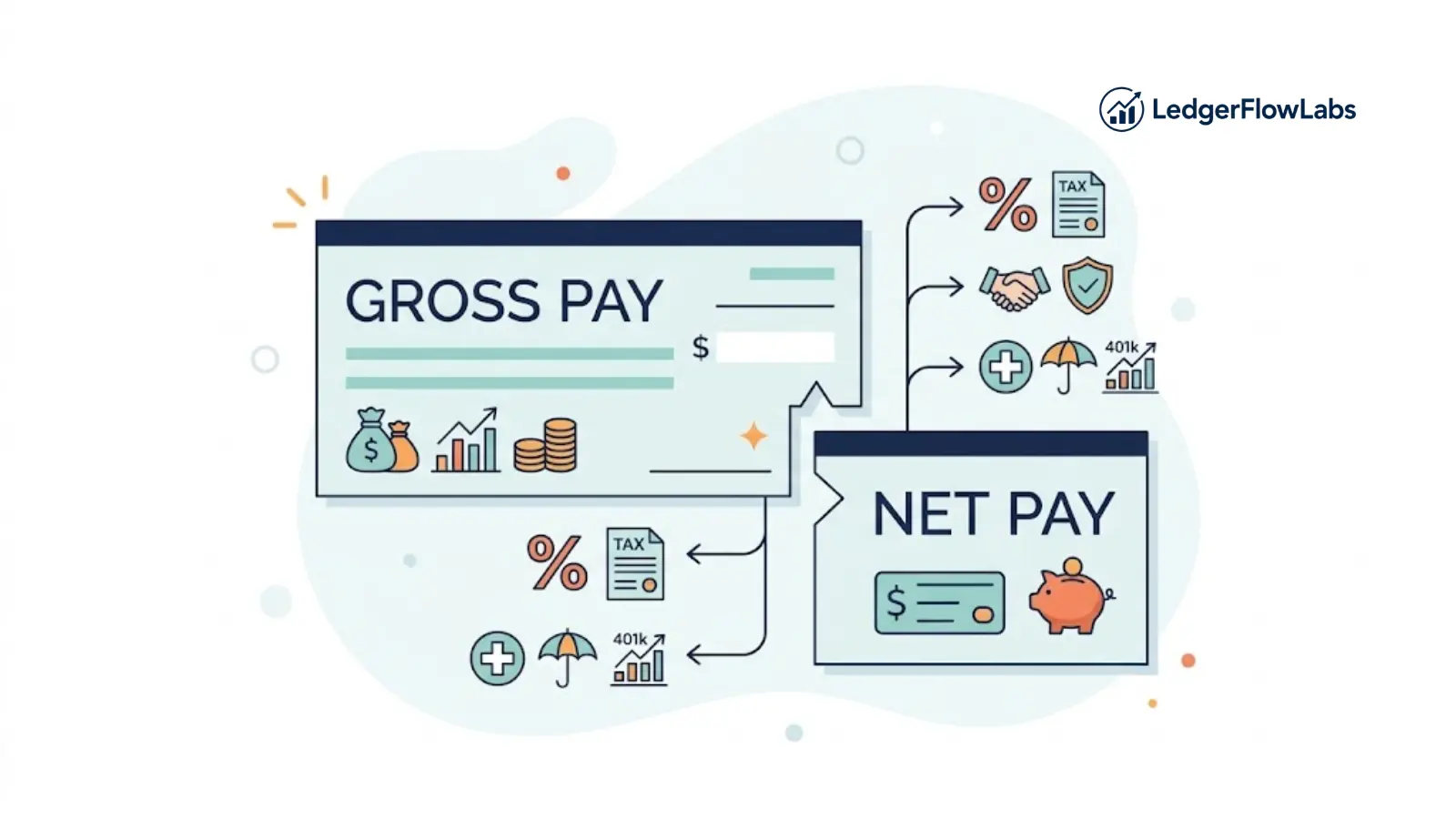
Take-home pay is smaller than your salary for four or five specific reasons. Here is each destination, and which of that money is still yours.