The Minimum Payment Trap: What the Math Does to the Timeline

Your statement is required to print the answer for your own account. Regulation Z puts a minimum payment warning and a repayment estimate on the page. Here is how to read it.

 Asfat
Asfat
Your statement is required to print the answer for your own account. Regulation Z puts a minimum payment warning and a repayment estimate on the page. Here is how to read it.

Rate, balance and time are the three inputs, and the balance is the one nobody explains. Here is the arithmetic, and the rule that puts every input on your own statement.

You did the arithmetic and the money is not there. That is a real finding, not a failure. What the number means, what a shortfall usually is, and where free help lives.
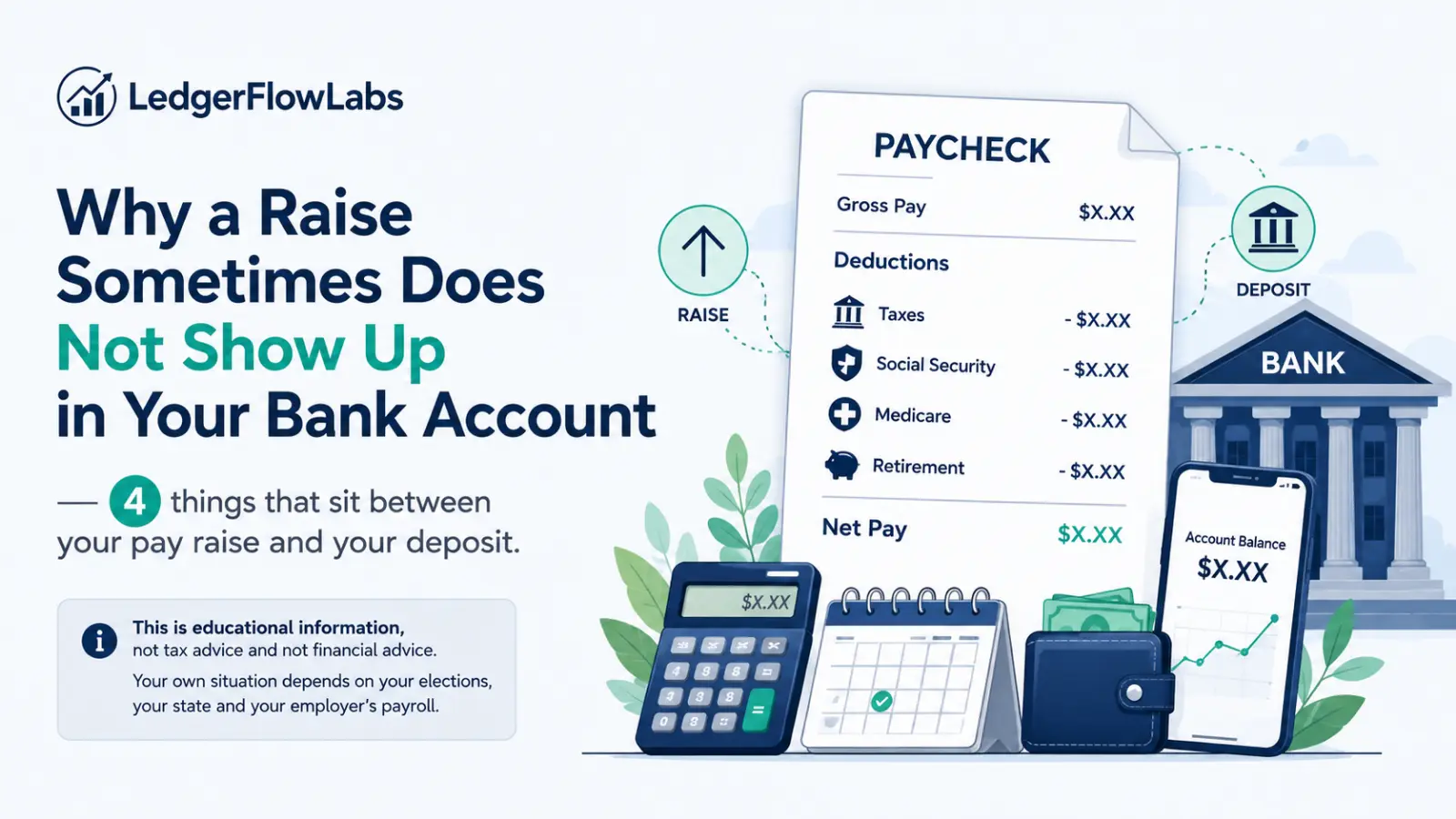
A raise is gross and your deposit is net. Four things sit between them, three of them scale with pay, and one of them is a rate the IRS publishes. Read your own stub.
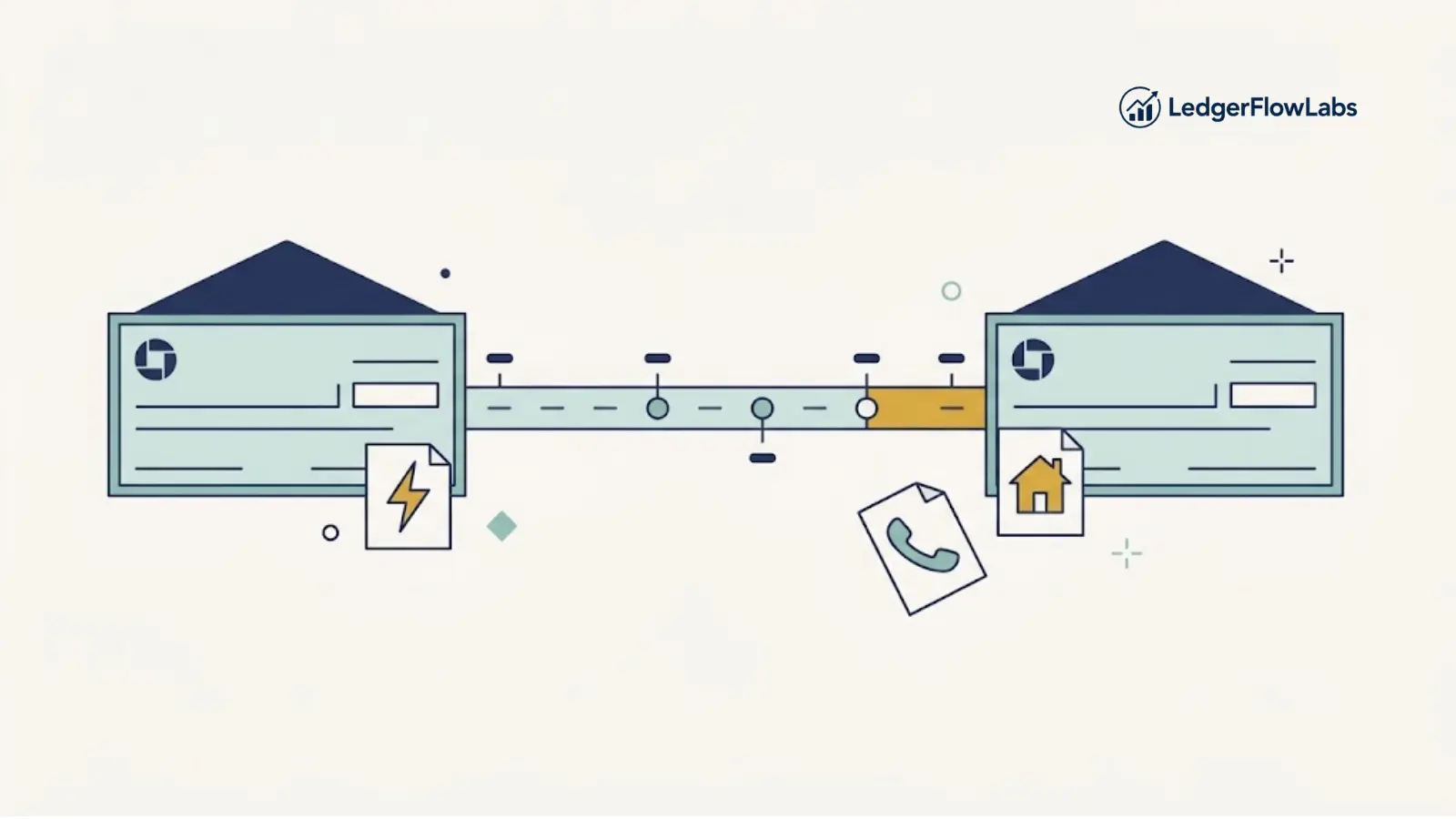
Halving the total is the obvious method and it fails on a biweekly schedule. Assign bills to the paycheck that arrives before them, and the calendar stops mattering.

One bad month tells you nothing. Three months of the same two columns tells you which weeks are structurally short, and that is a timing problem, not a spending one.
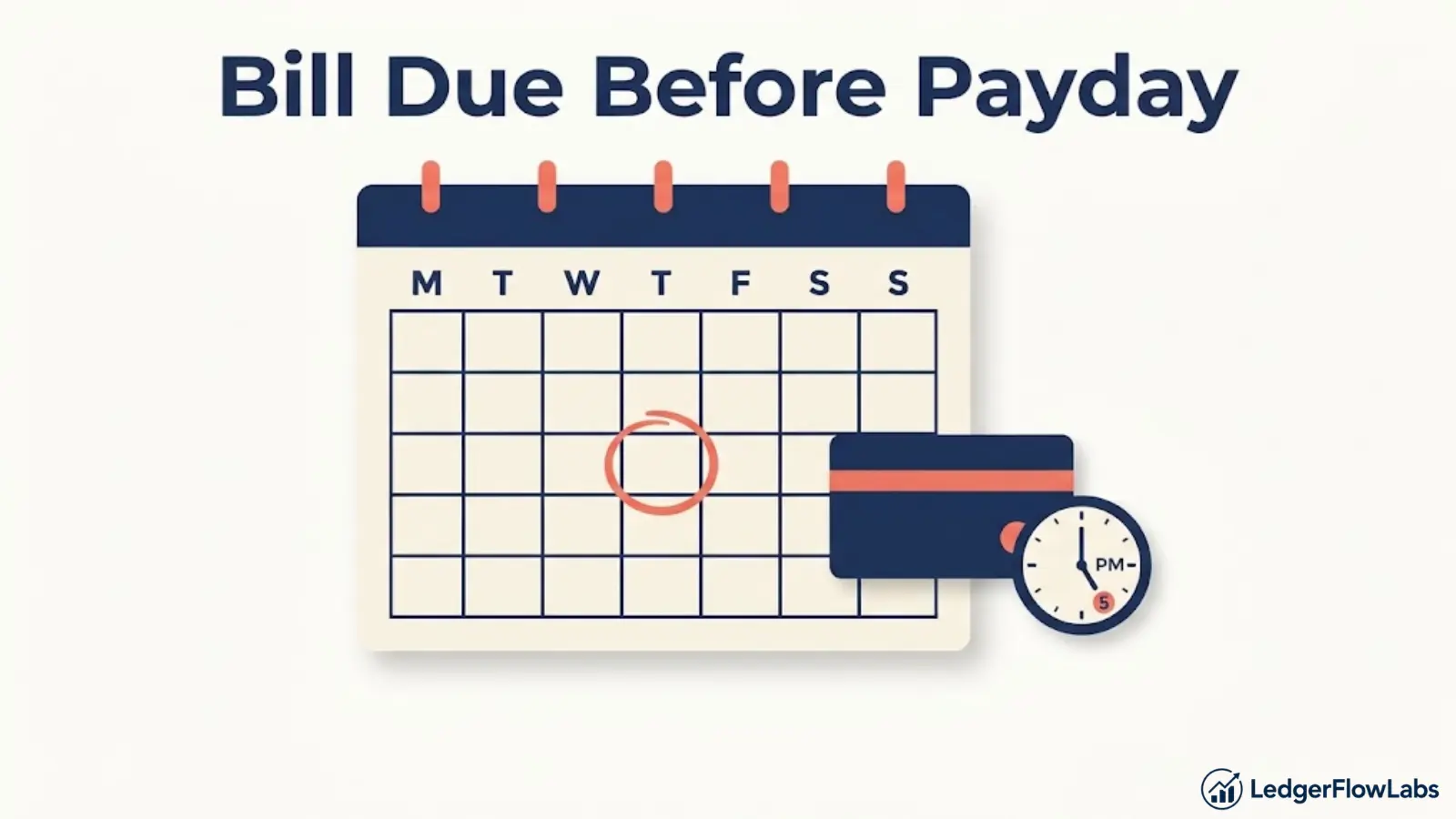
Regulation Z gives a card bill a 5 p.m. cut-off, a weekend rule and a 21-day rule. Rent, utilities and insurance get none of it. That split decides your options.
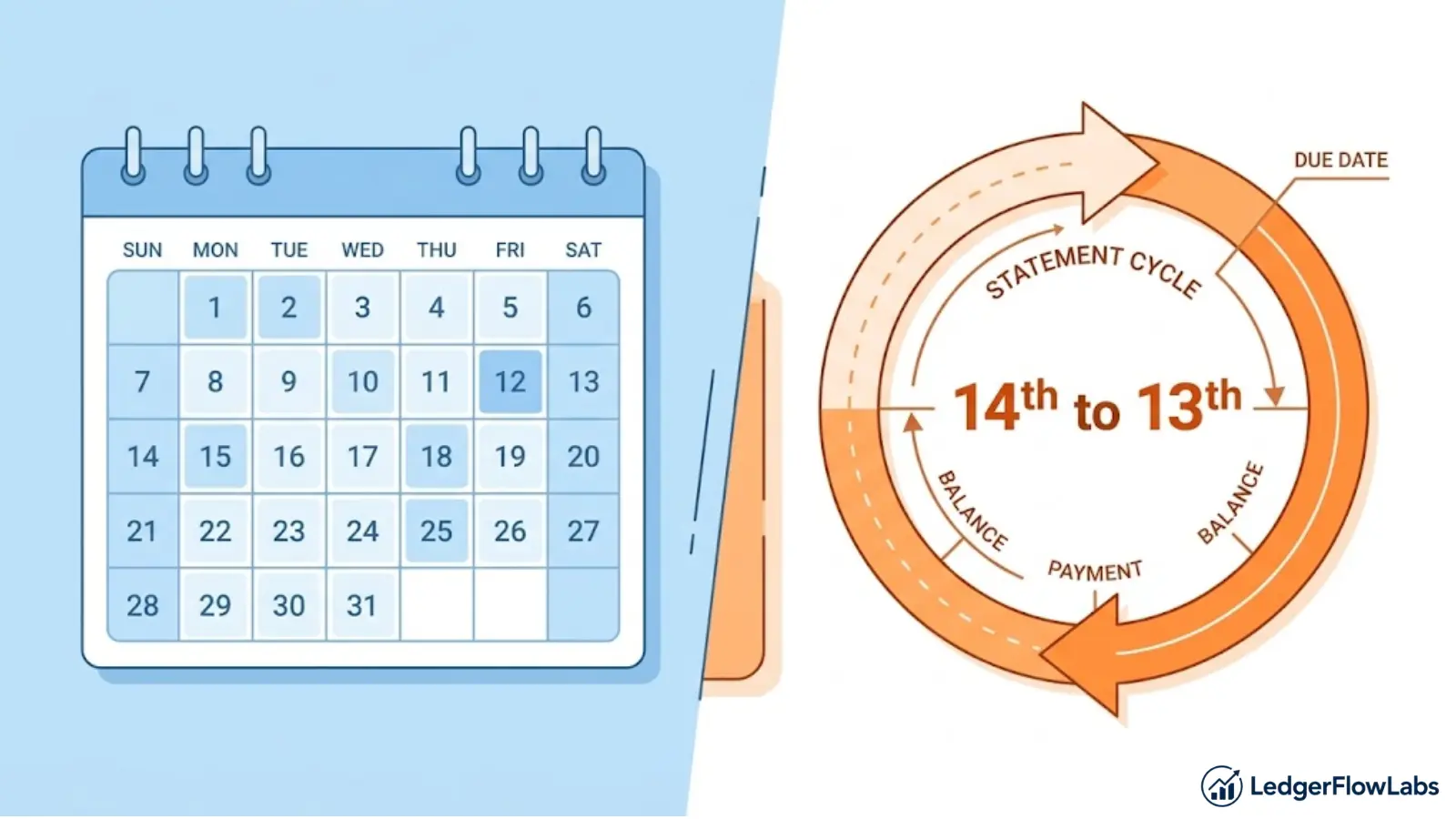
A billing cycle is defined by your statement dates, not the calendar. Regulation Z sets the closing date, the 21 days and a due date fixed to one day of the month.
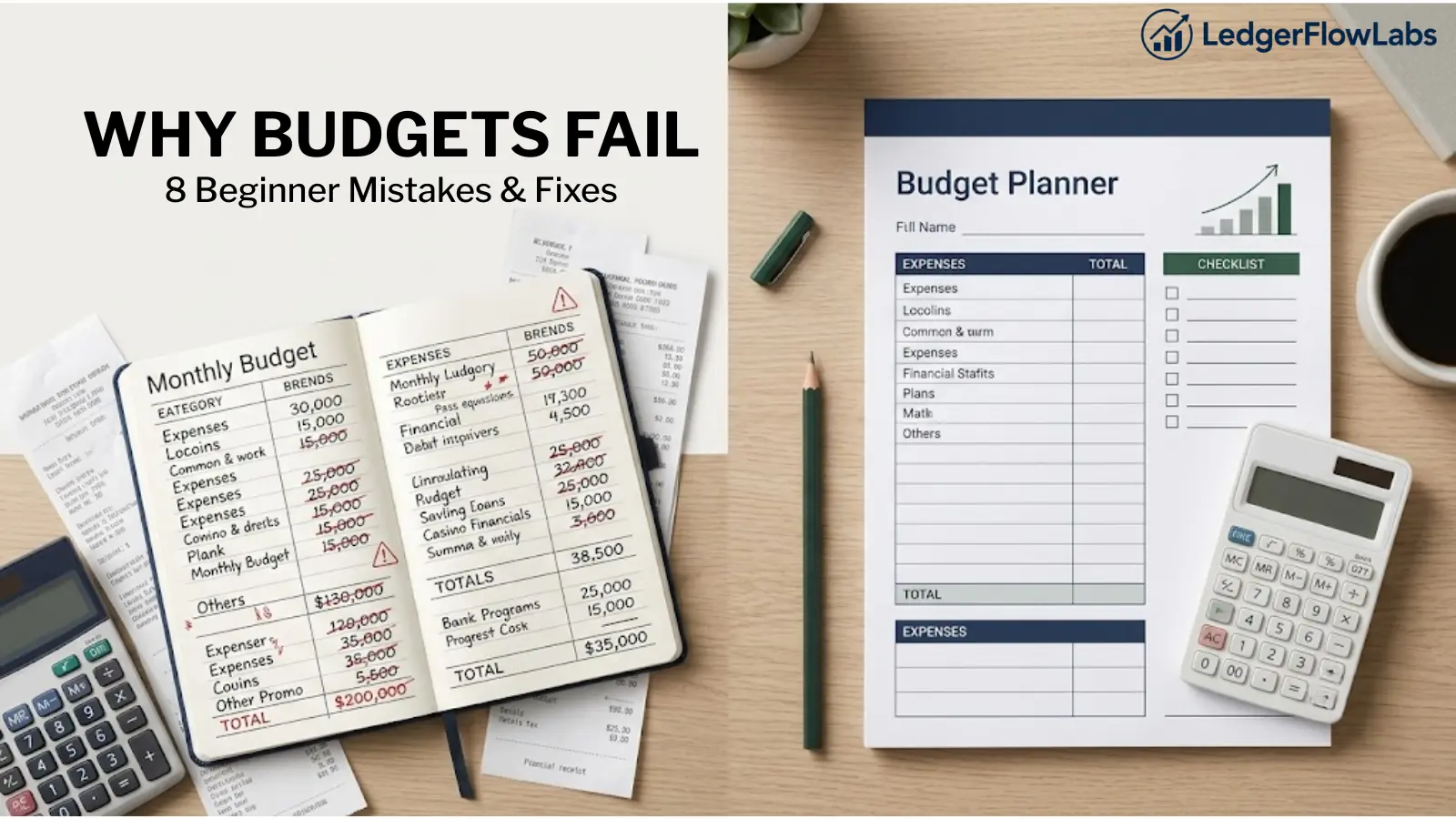
Why do budgets fail? Usually not your income, but quitting early plus fixable setup errors. Here are 8 common beginner mistakes and how to fix them.
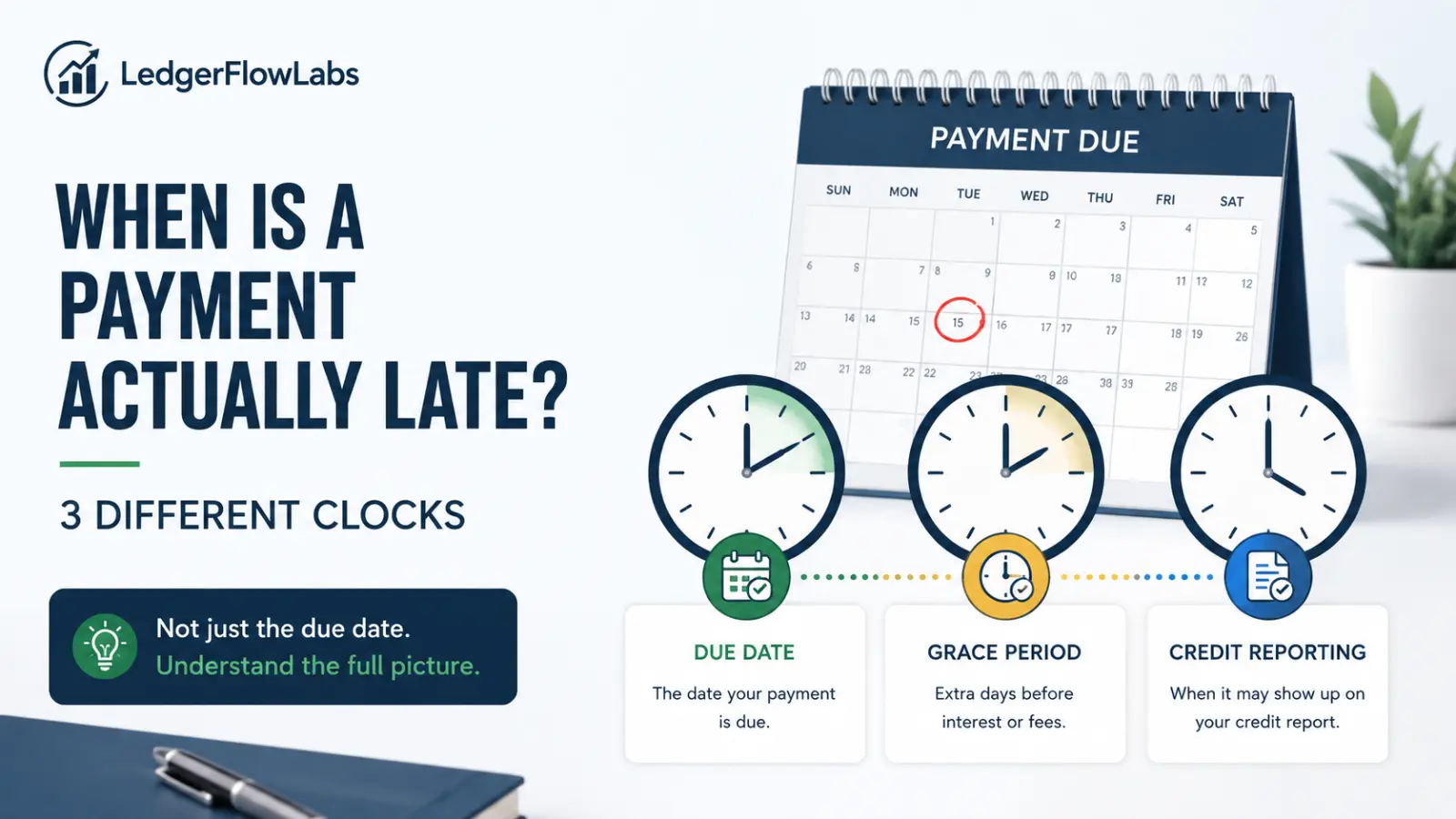
A payment is late at the due date, not at 30 days. Here is what US rules say about the grace period, the late fee and credit reporting, clock by clock.