Extra Principal Payment Effect: Where the Money Goes

Extra money lowers total interest only once it reaches principal. What federal rules say about paid ahead and unapplied funds, and how to check your statement.

Extra money lowers total interest only once it reaches principal. What federal rules say about paid ahead and unapplied funds, and how to check your statement.

An interest bearing checking account explained: how the interest is calculated, why the national average rate is so low, and how to read it on a statement.
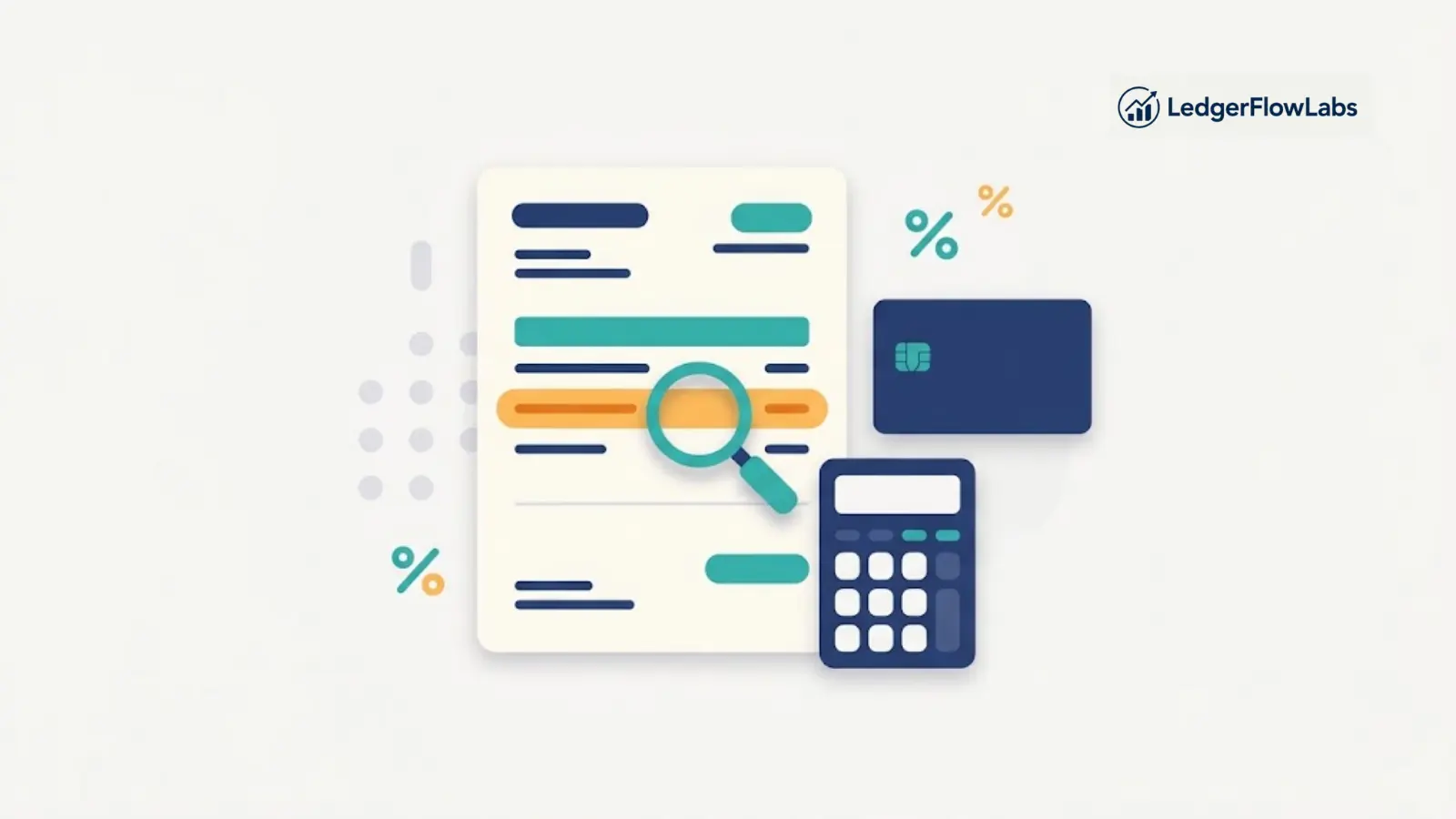
How to check credit card interest charge figures yourself: three numbers from your statement, one formula, and a worked example you can follow.

Variable vs fixed interest rate: see the index and margin behind a variable rate, what can still change a fixed one, and how to check your card.
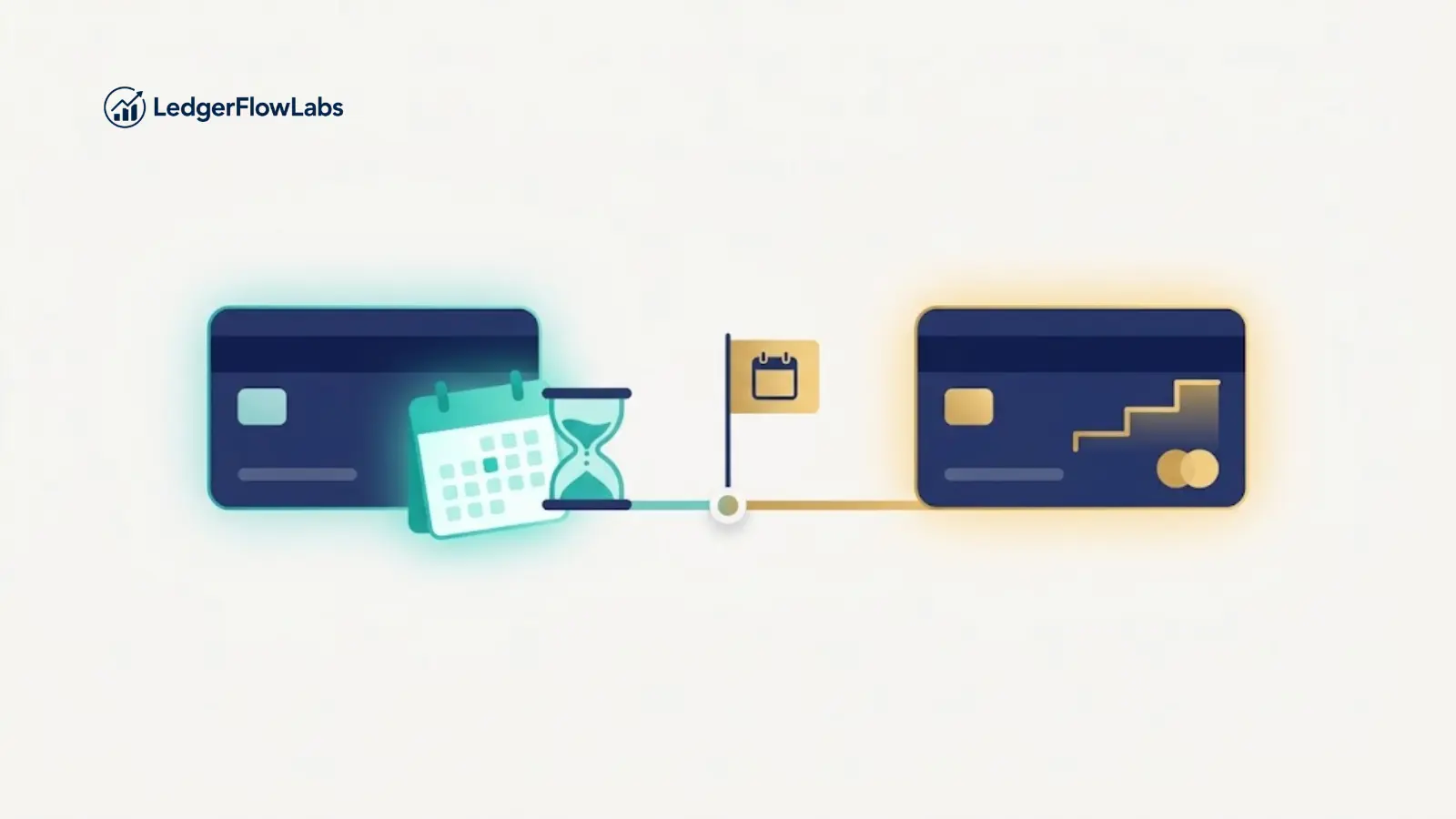
0 APR promotional rate ending? See what happens after the end date, which rate takes over, and how to tell a true 0% offer from deferred interest.

How does a credit card grace period work? See the one condition that keeps purchase interest at zero, how it is lost and why interest can linger after.
Learn what the daily periodic rate credit card statements use, how to work it out from your APR, and how to check your own interest charge line by line.
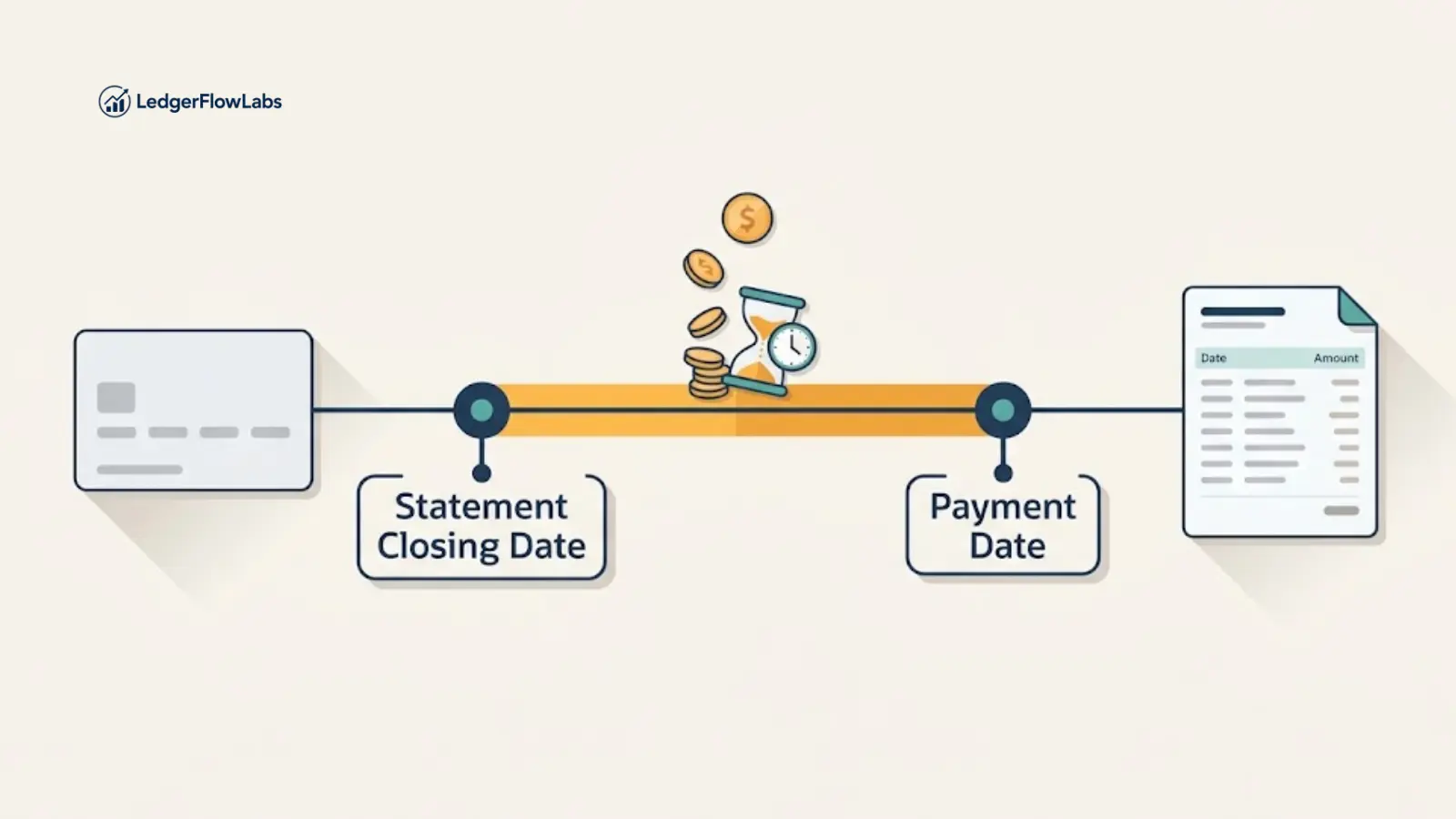
Trailing interest credit card charges explained: why interest shows up after paying in full, the arithmetic behind it, and how the leftover ends.
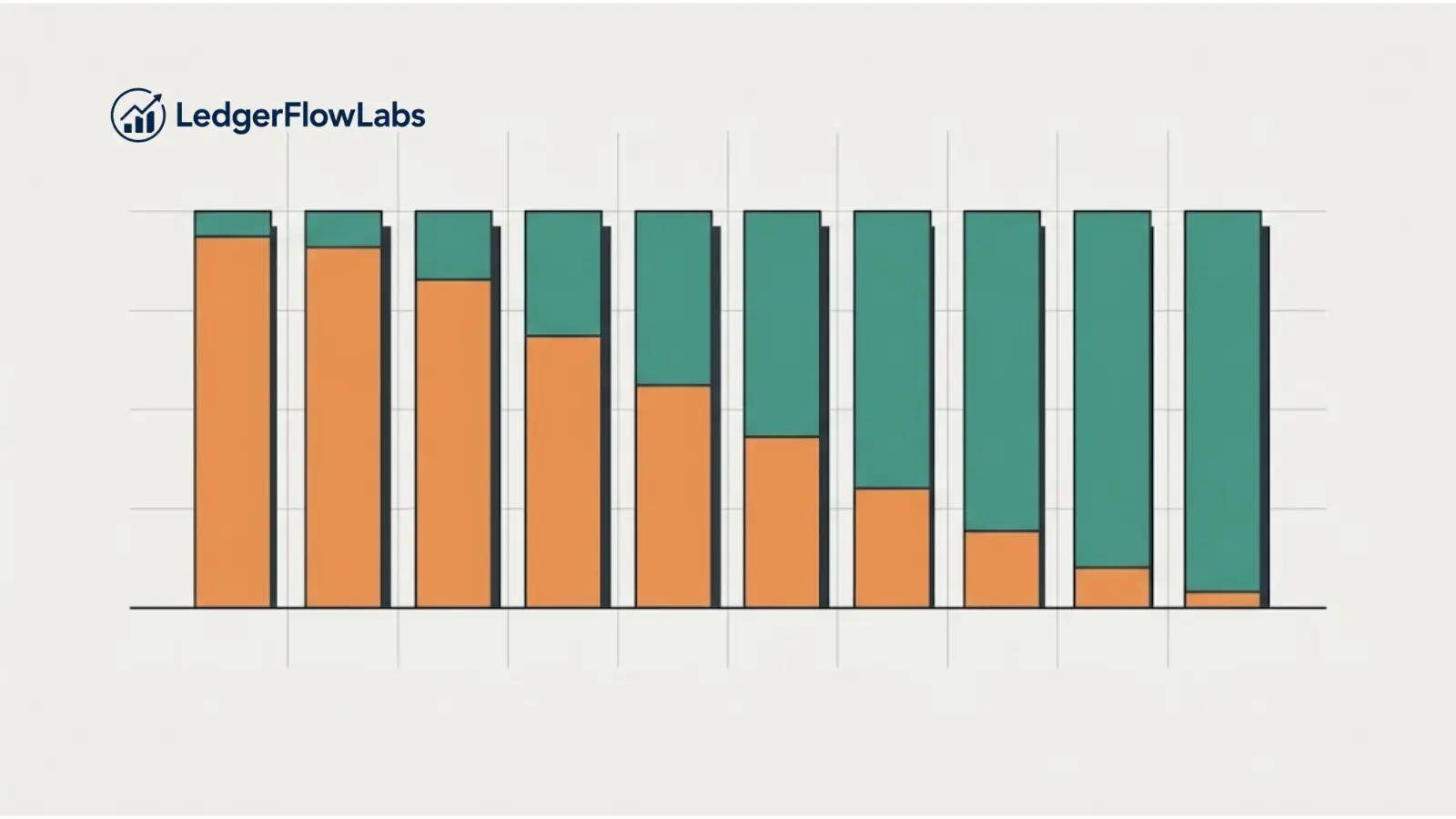
Nothing is front-loaded on purpose. Interest is charged on the balance, the balance starts large, and a level payment does the rest. Here is the sum, month by month.
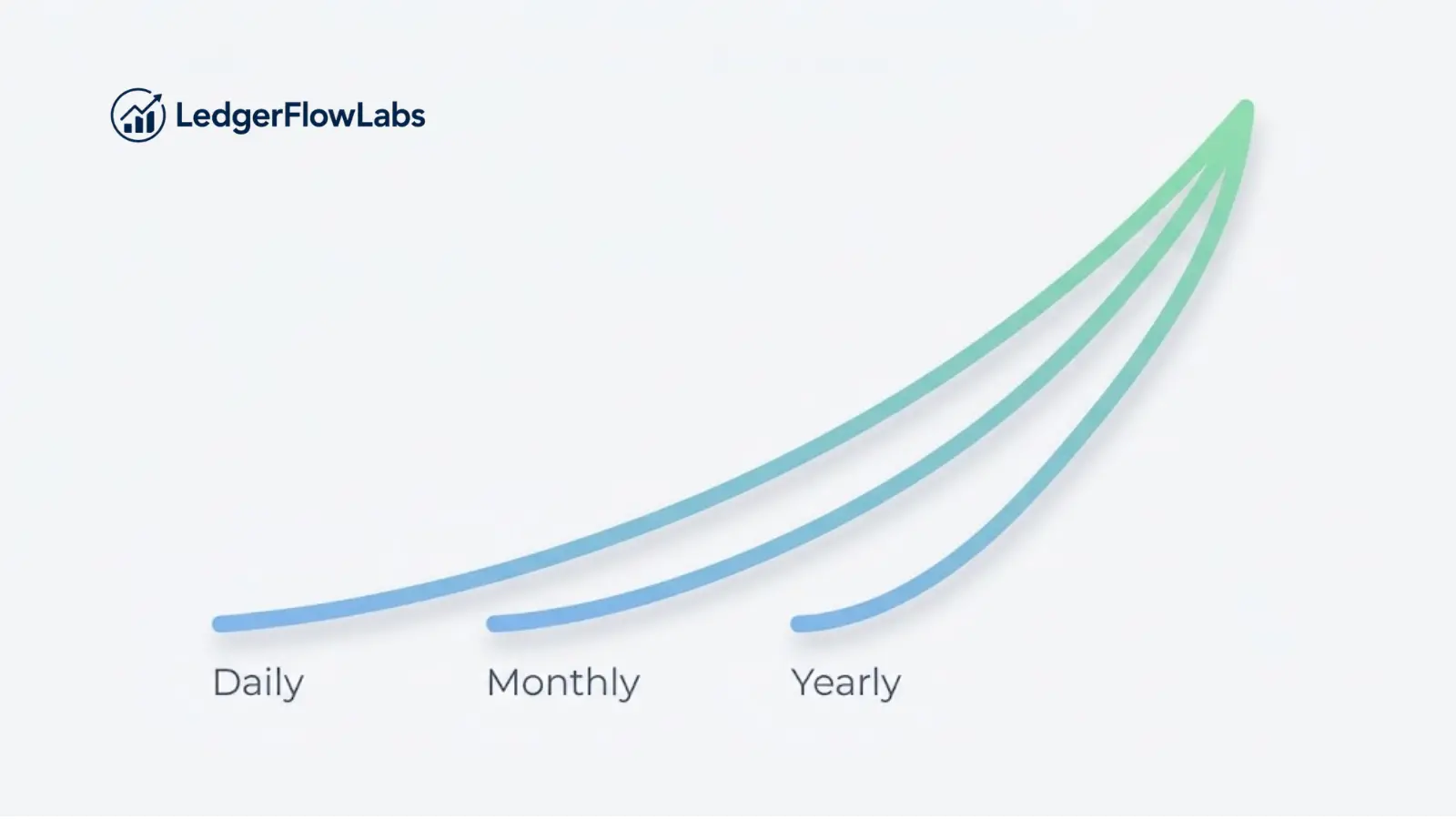
Same rate, three frequencies, three answers. The arithmetic, why the gap is smaller than people expect, and the one disclosed figure that has already done the sum for you.