Statement Cycle vs Calendar Month: Why January Isn’t January
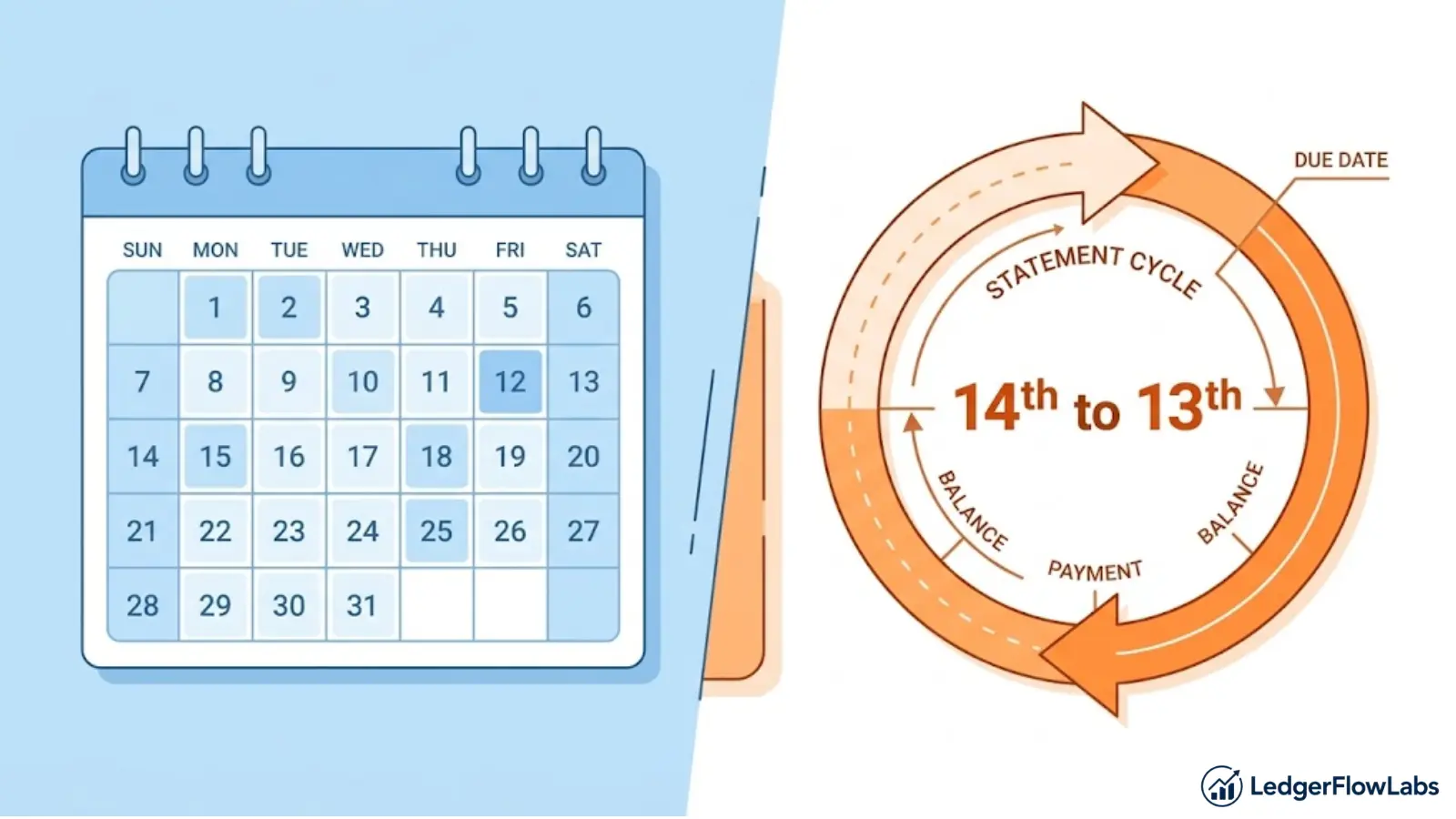
A billing cycle is defined by your statement dates, not the calendar. Regulation Z sets the closing date, the 21 days and a due date fixed to one day of the month.

A billing cycle is defined by your statement dates, not the calendar. Regulation Z sets the closing date, the 21 days and a due date fixed to one day of the month.
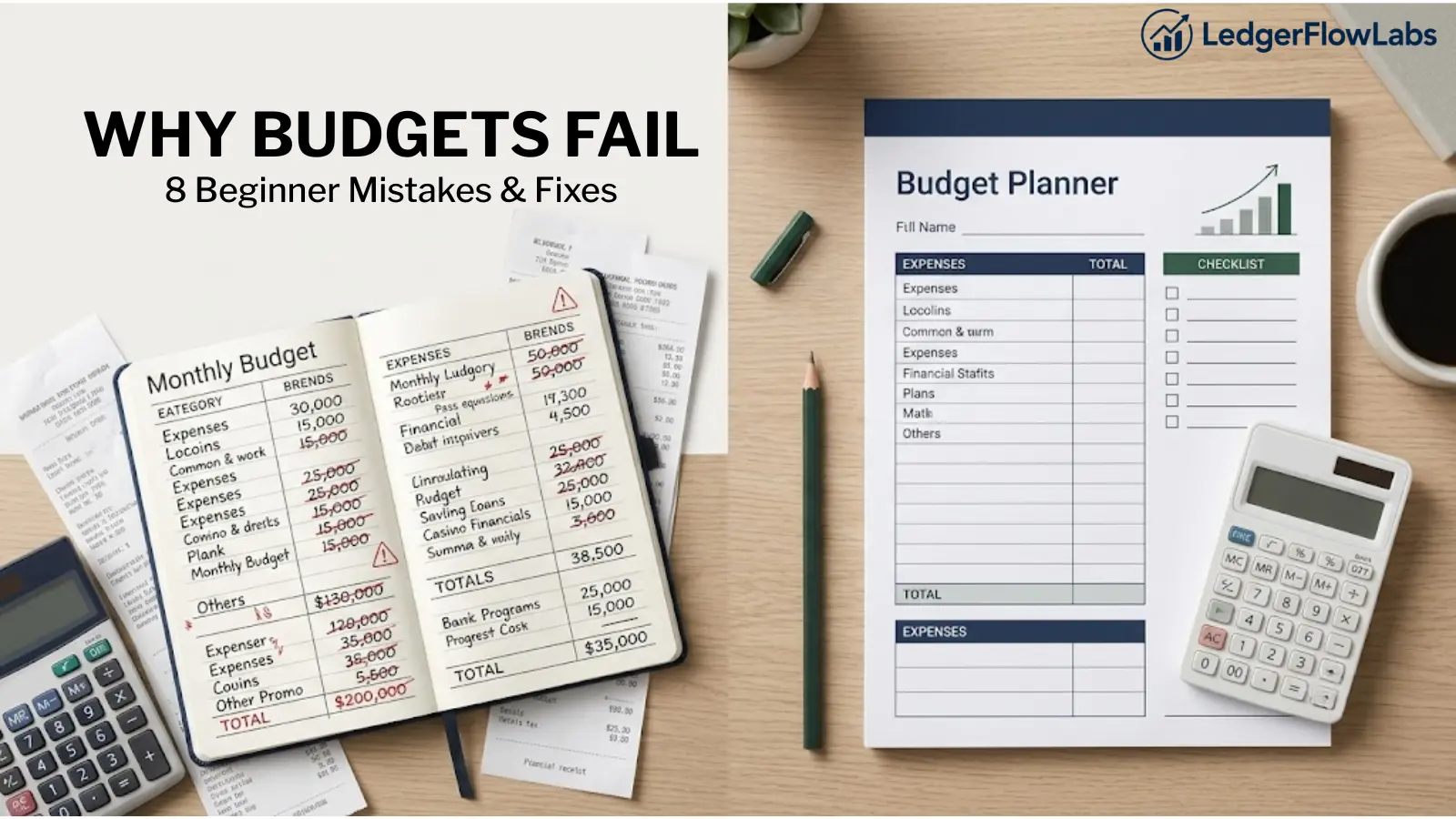
Why do budgets fail? Usually not your income, but quitting early plus fixable setup errors. Here are 8 common beginner mistakes and how to fix them.

A payment is late at the due date, not at 30 days. Here is what US rules say about the grace period, the late fee and credit reporting, clock by clock.
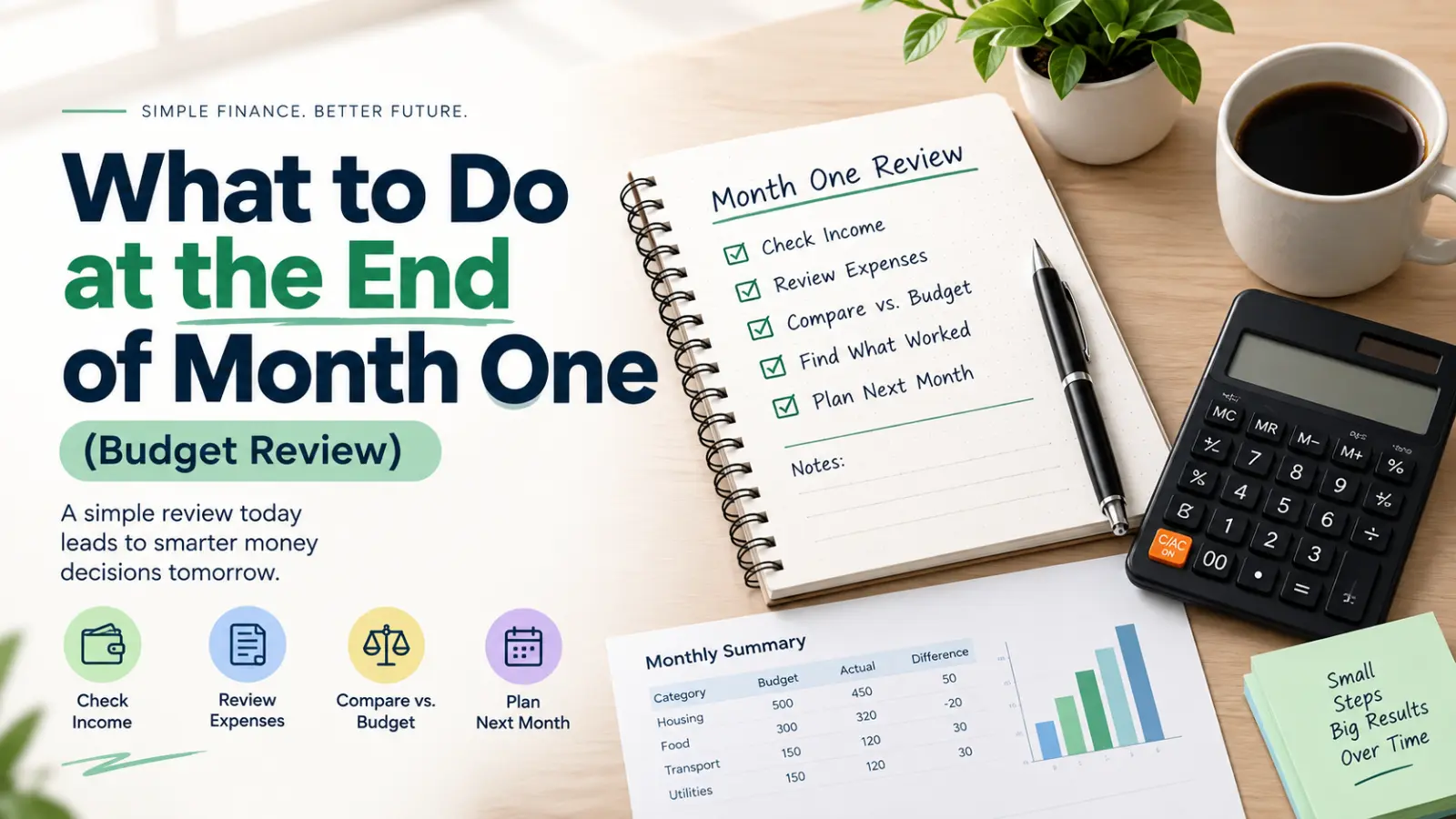
Your first month’s numbers were probably off. Here is the five-step review checklist and how to tell a bad number from a bad habit.

Splitting 50/50, by income, or through a joint account all work differently. See a worked example and why the needs-vs-wants talk matters more.
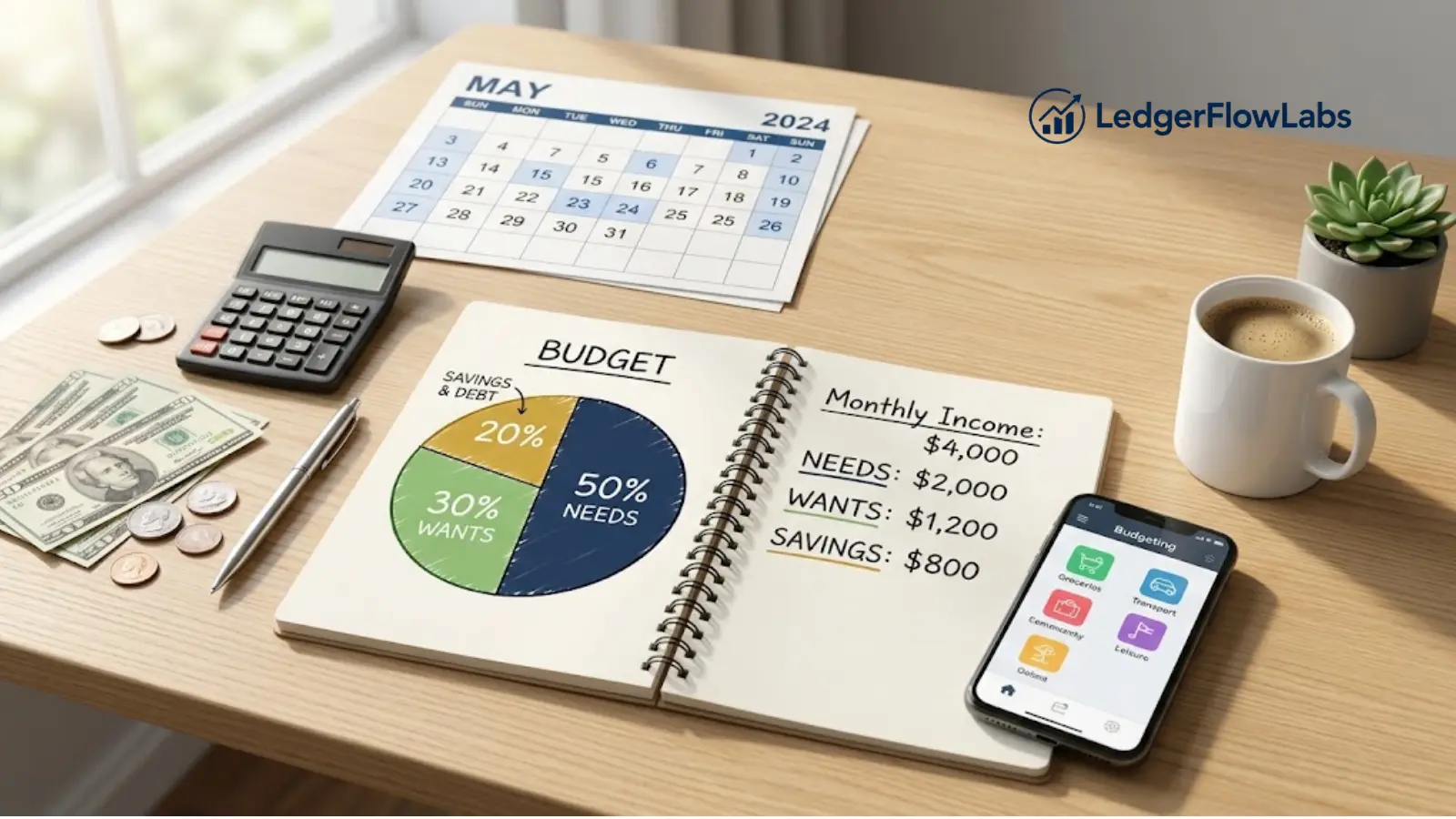
The 50/30/20 rule splits your take-home pay into 50% needs, 30% wants, and 20% savings. See a worked example, plus when it does not fit.

The commonly cited range is 3 to 6 months of expenses. Here is who says so, why the range is wide, and three questions to place yourself in it.

New to budgeting? Learn what a budget really is, the 3 things every budget needs, and how to choose the method that fits you. No jargon.

Keep the roof, the heat and the way you get to work. Here is the consequence ladder behind that order, plus free US help you can call today.
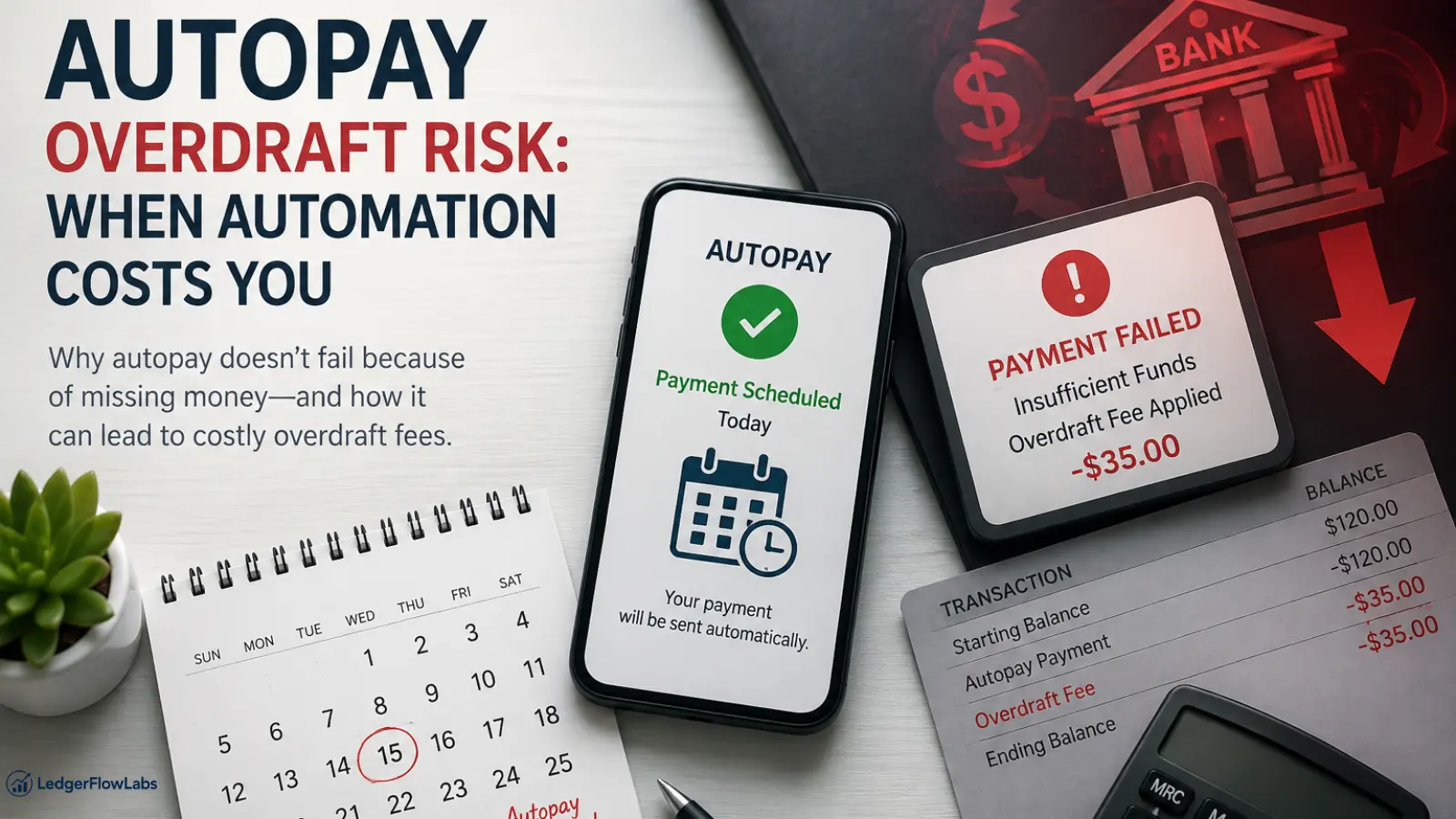
Autopay on the due date is the riskiest date you can pick. Here is how same-day posting order, retries and pull-versus-push payments create an overdraft.