Cash Advances: Why There Is No Grace Period

The grace period disclosure in Regulation Z is written about purchases. A cash advance is a separate balance with its own rate and its own fee, and the rules say where to find both.

 Asfat
The grace period disclosure in Regulation Z is written about purchases. A cash advance is a separate balance with its own rate and its own fee, and the rules say where to find both.
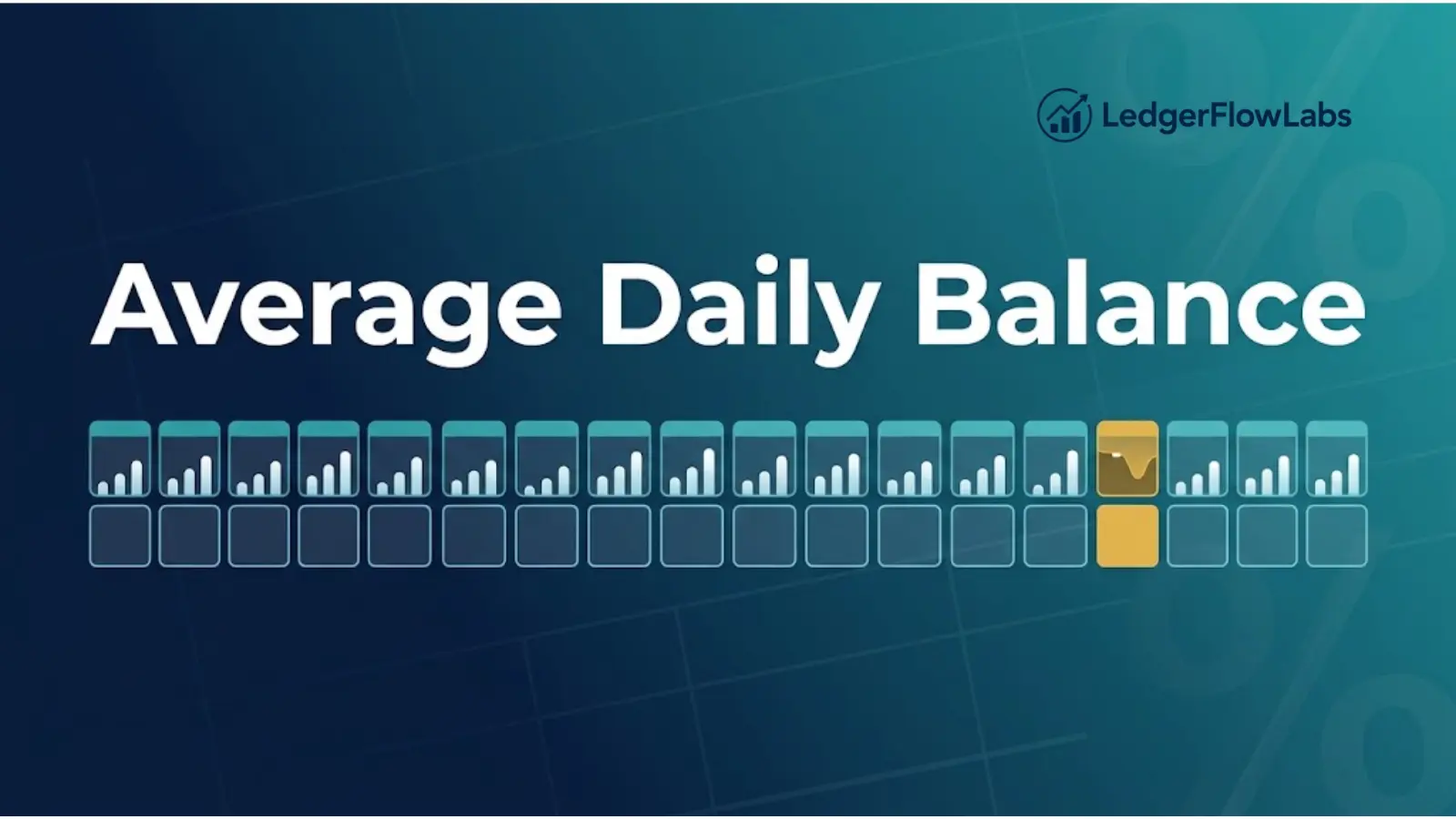
You paid it down mid-month and the charge barely moved. Here is the arithmetic that explains why, and the two rules that require your issuer to tell you which method it uses.
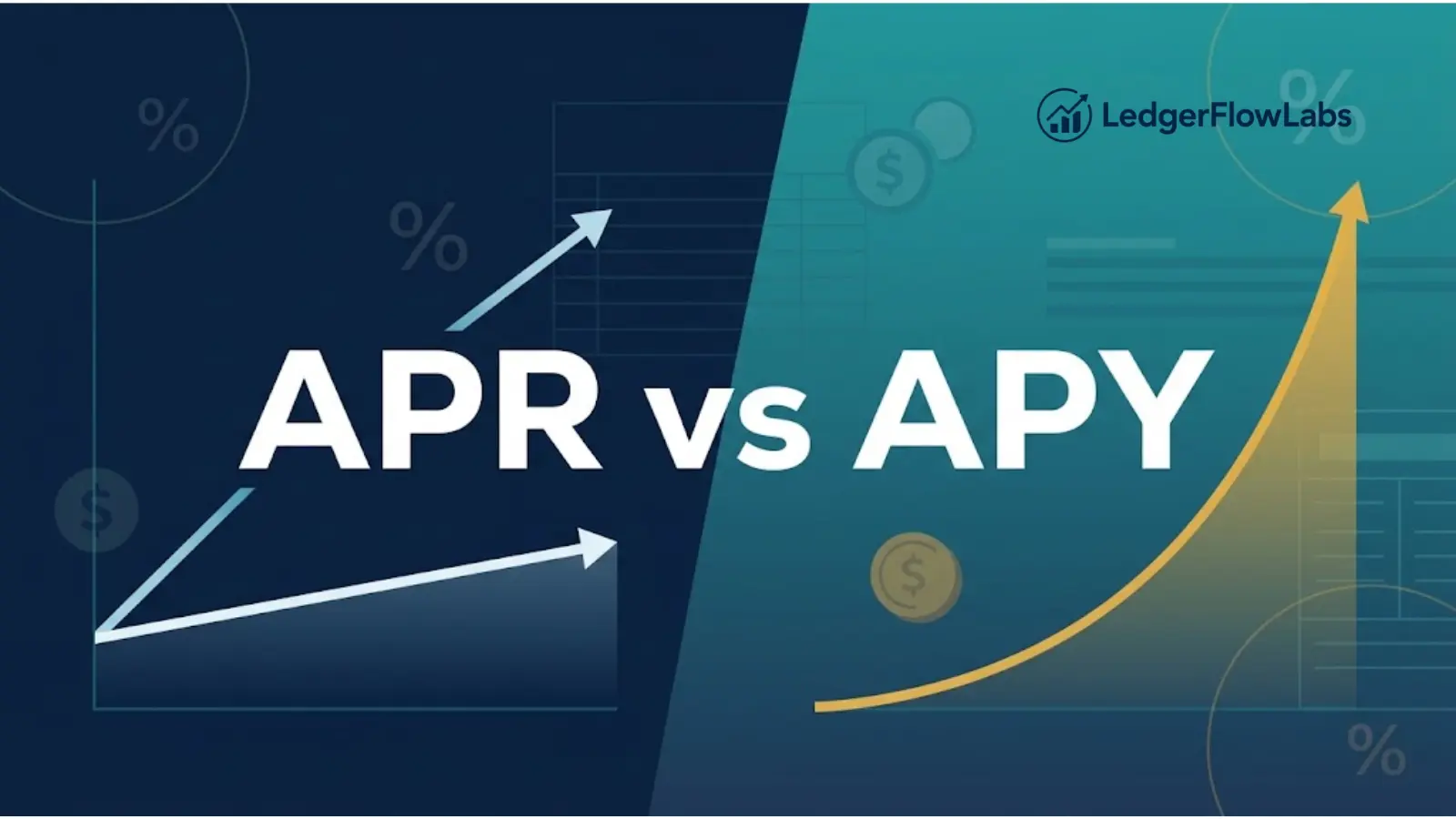
Two nearly identical words defined in two different regulations. One ignores compounding by design and the other exists to include it. The definitions settle it.

Your statement is required to print the answer for your own account. Regulation Z puts a minimum payment warning and a repayment estimate on the page. Here is how to read it.

Rate, balance and time are the three inputs, and the balance is the one nobody explains. Here is the arithmetic, and the rule that puts every input on your own statement.

You did the arithmetic and the money is not there. That is a real finding, not a failure. What the number means, what a shortfall usually is, and where free help lives.
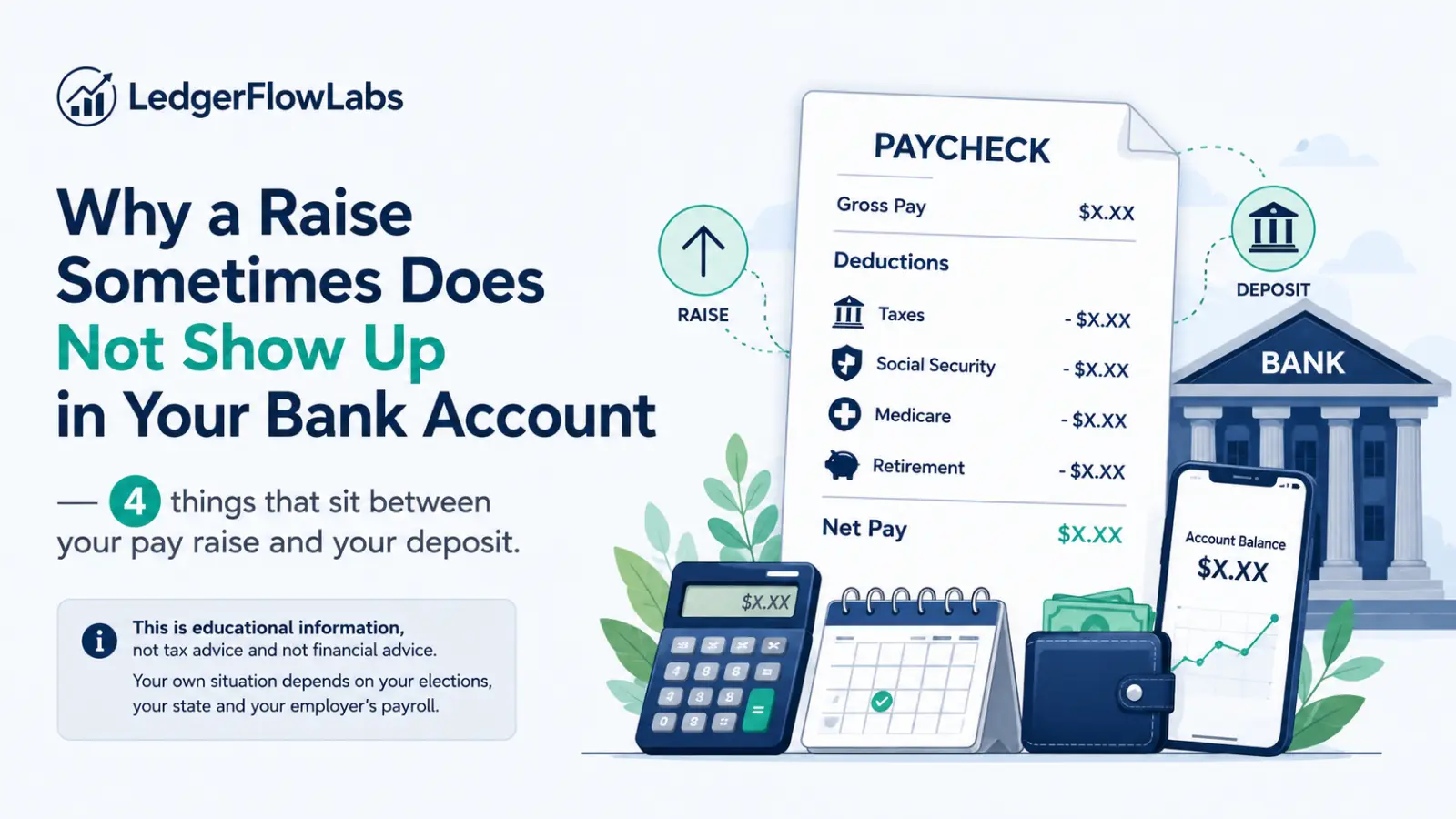
A raise is gross and your deposit is net. Four things sit between them, three of them scale with pay, and one of them is a rate the IRS publishes. Read your own stub.
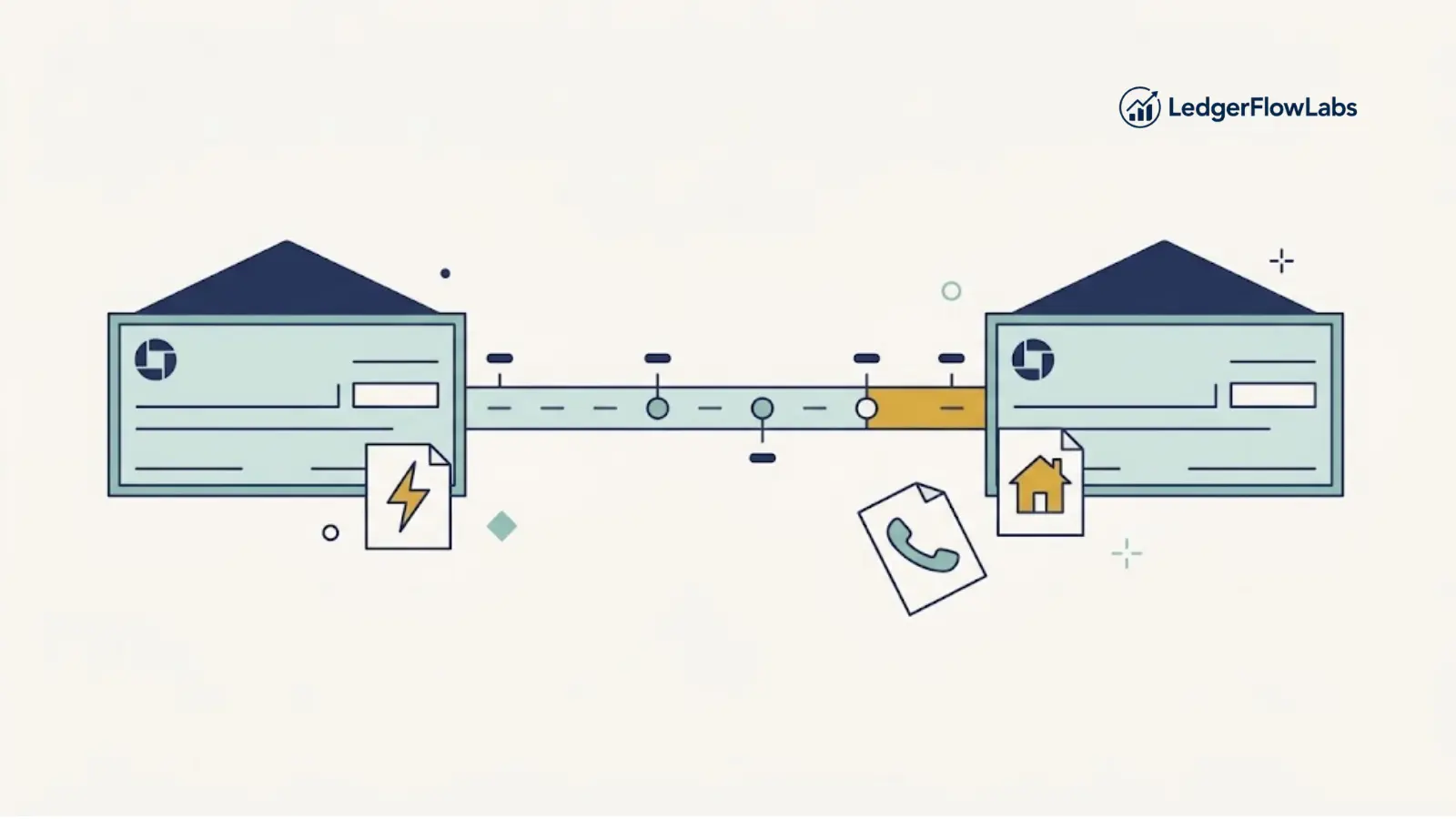
Halving the total is the obvious method and it fails on a biweekly schedule. Assign bills to the paycheck that arrives before them, and the calendar stops mattering.

One bad month tells you nothing. Three months of the same two columns tells you which weeks are structurally short, and that is a timing problem, not a spending one.
Regulation Z gives a card bill a 5 p.m. cut-off, a weekend rule and a 21-day rule. Rent, utilities and insurance get none of it. That split decides your options.